
Level 1 sweep and inspection to the NFPA 211 annual standard - flue, crown, cap, and flashing checked and photographed
Chimney sweep logs do not sweep chimneys. They loosen some creosote - which then falls where a brush and vacuum still have to collect it.
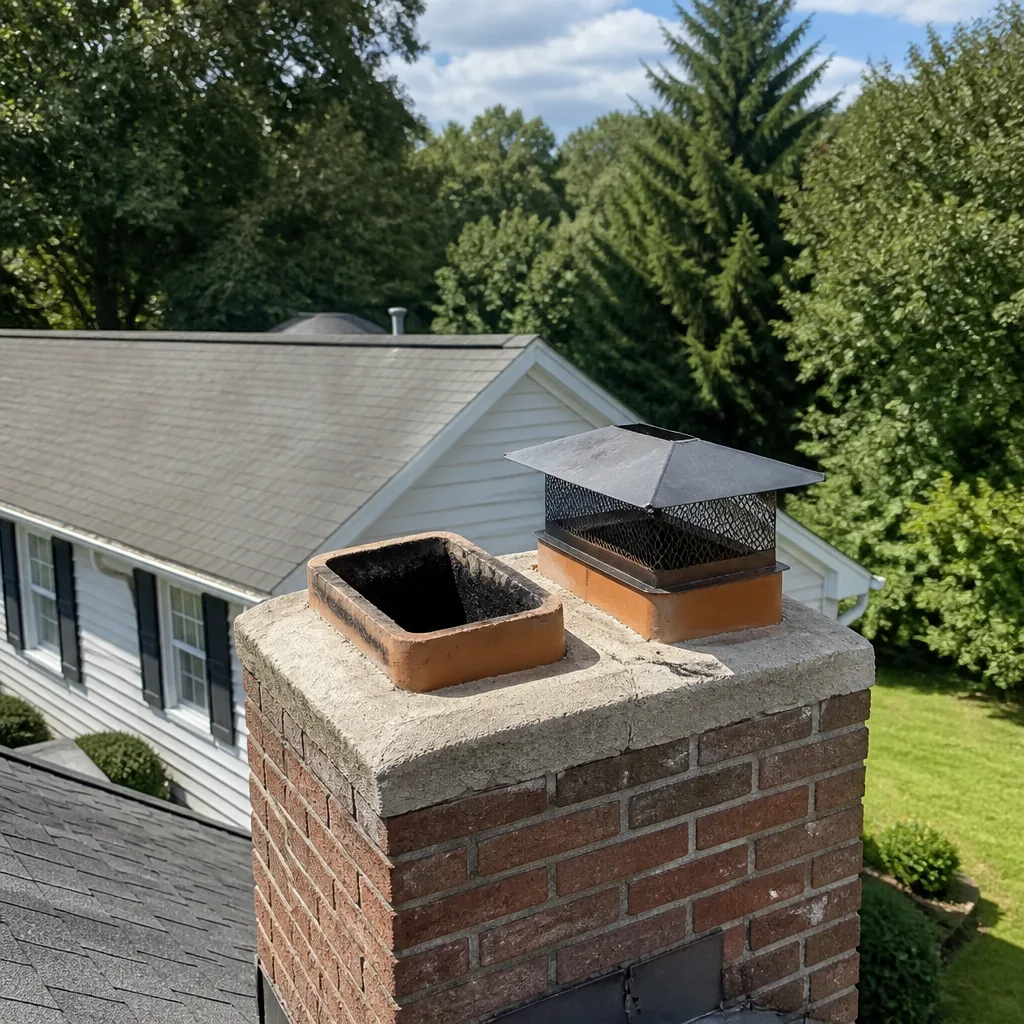
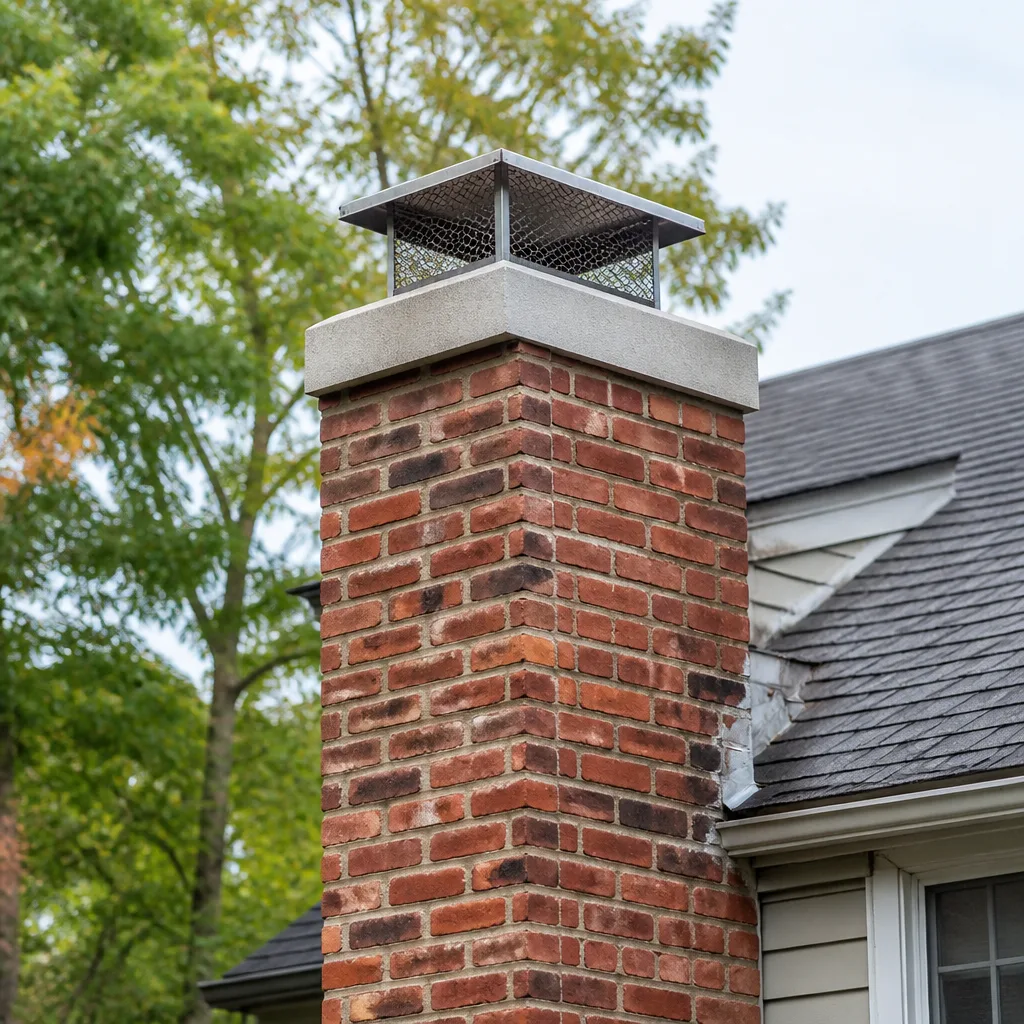
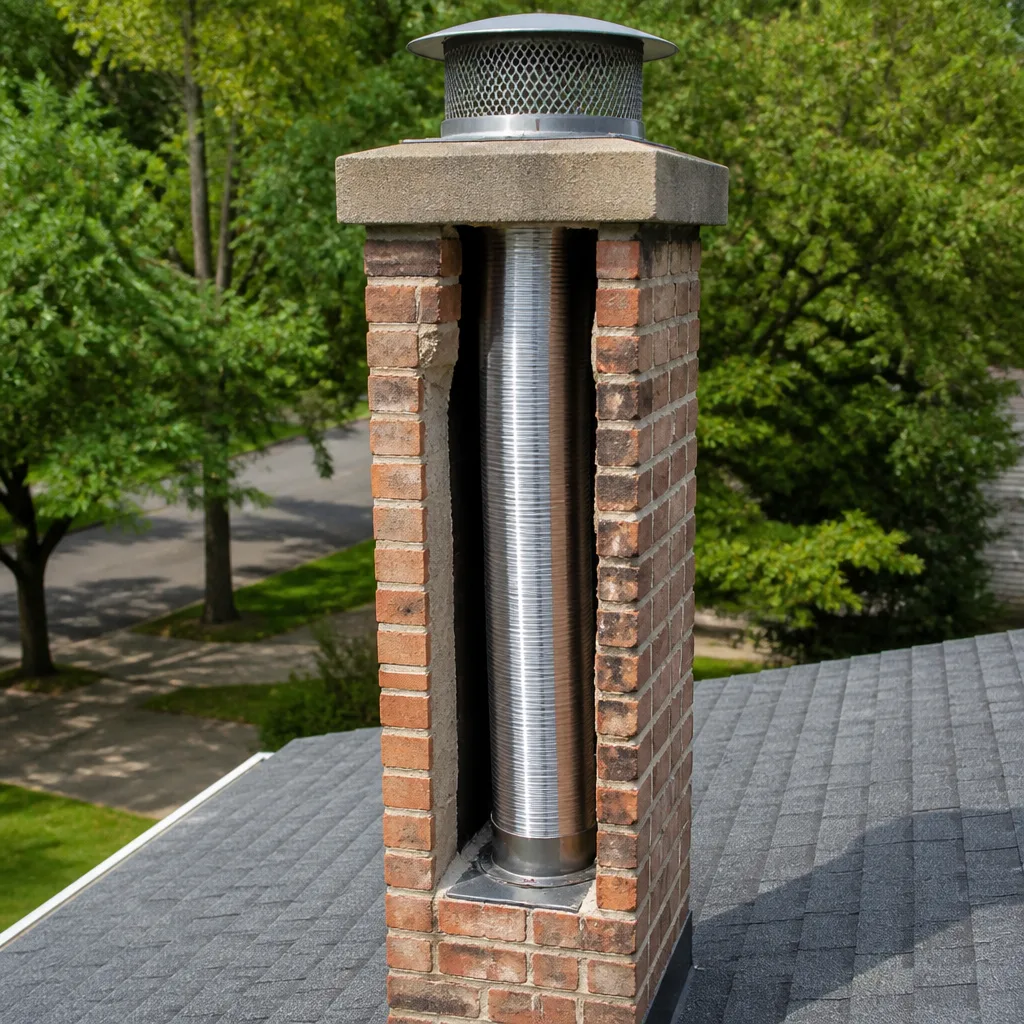
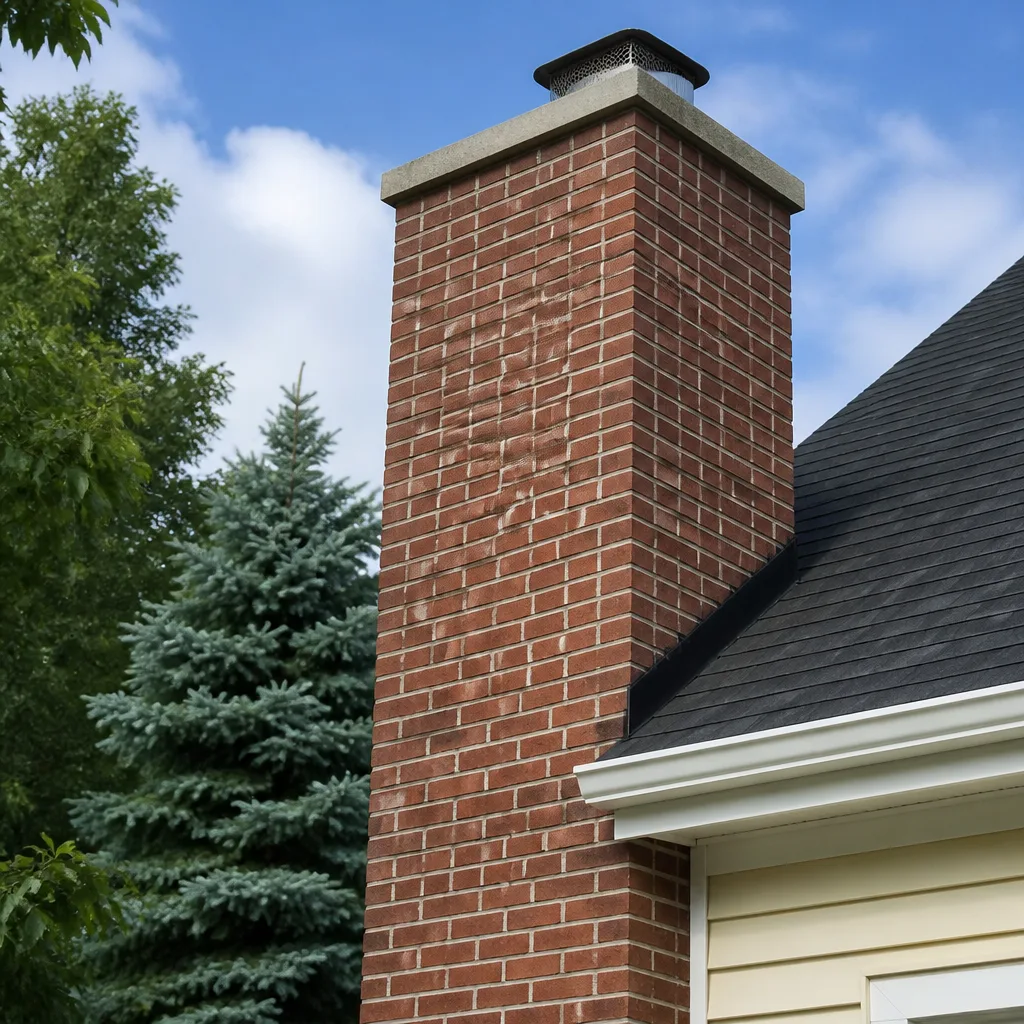
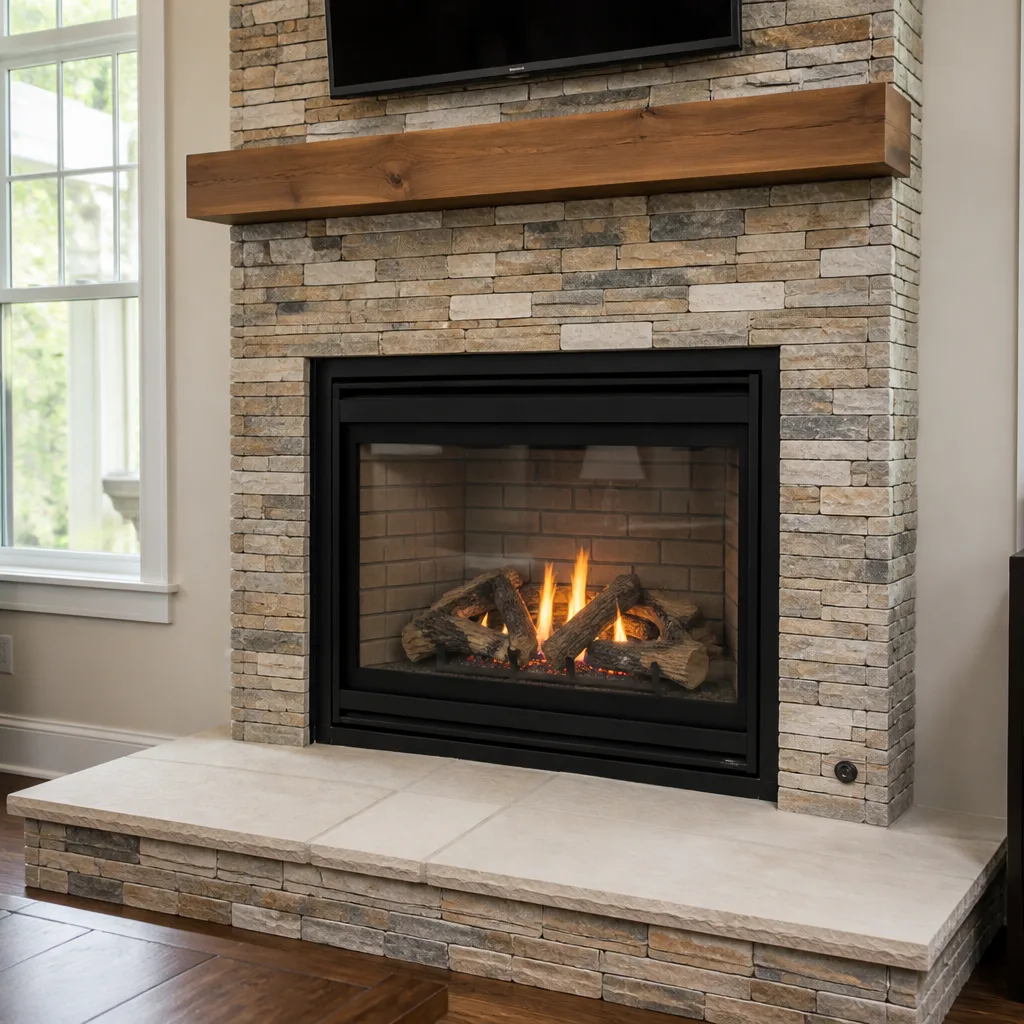
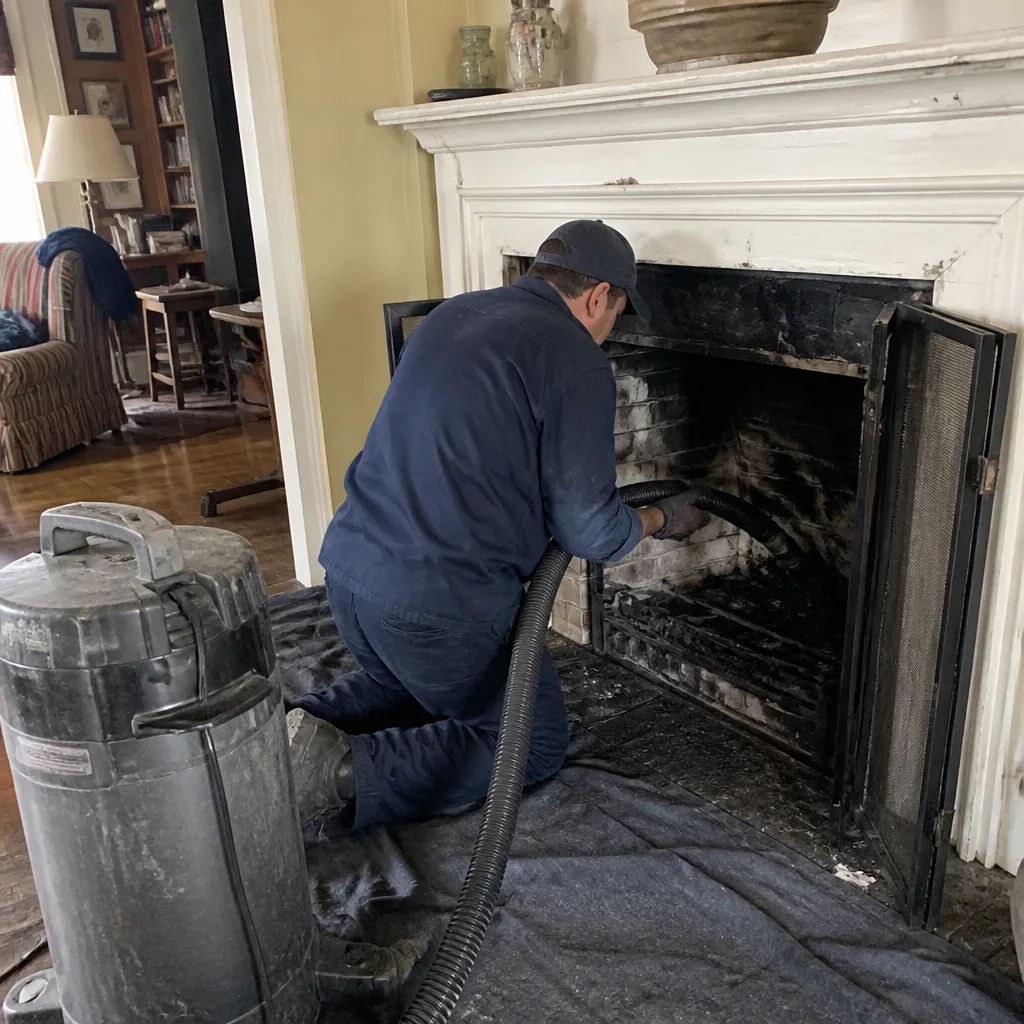 Before
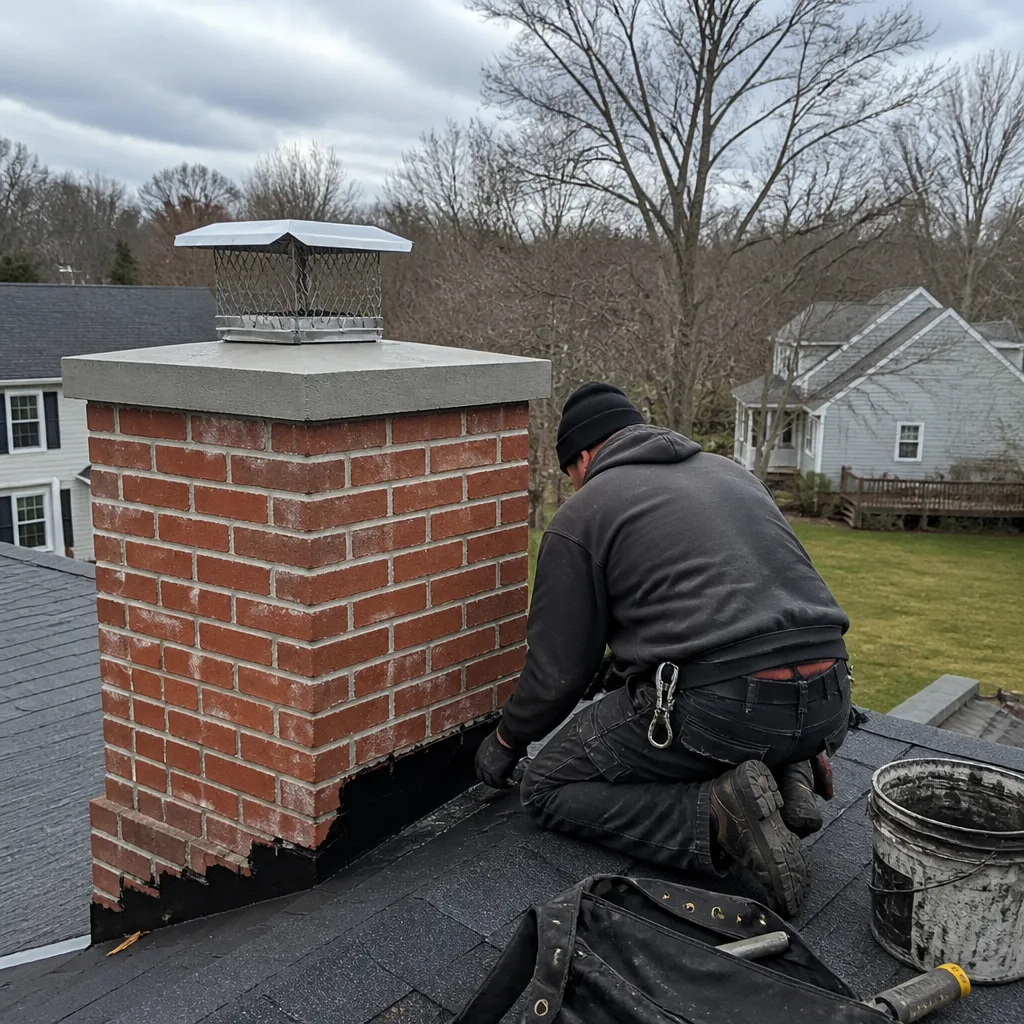 After
After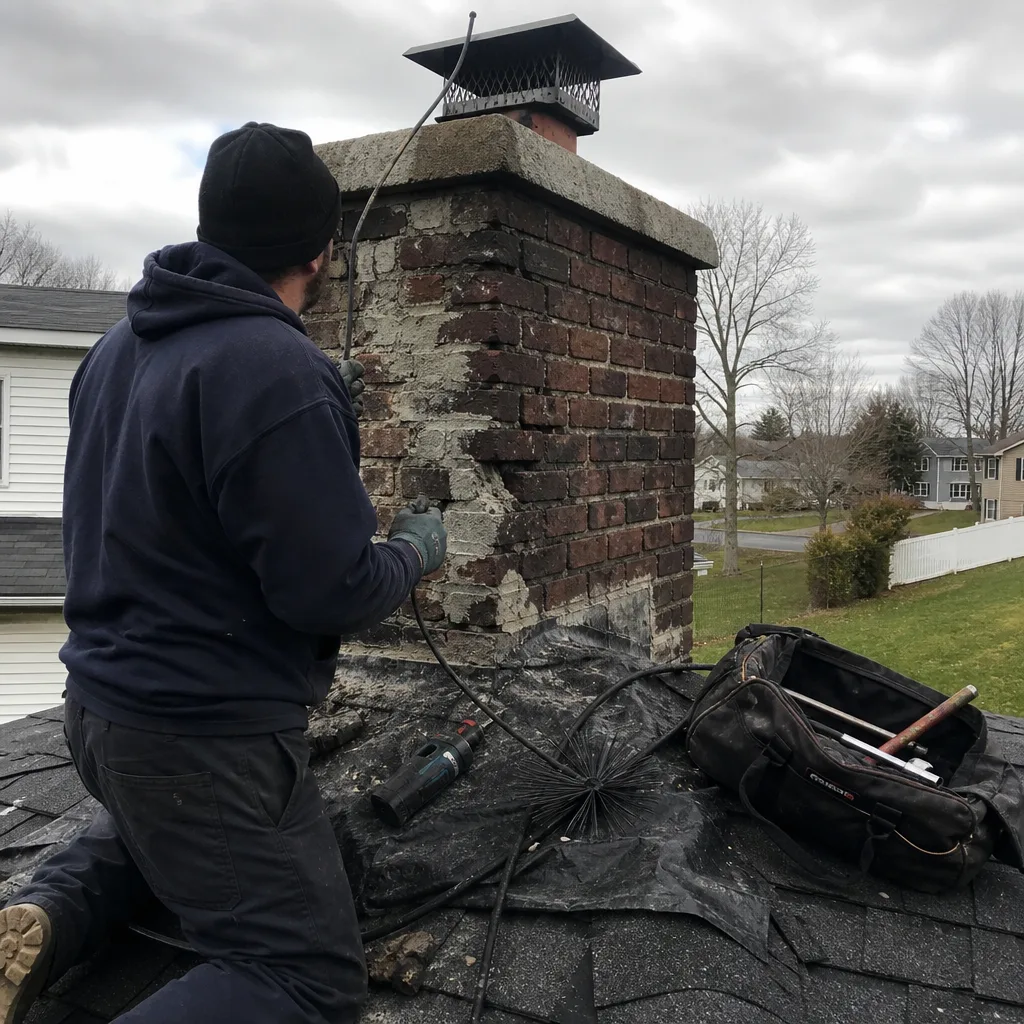 Before
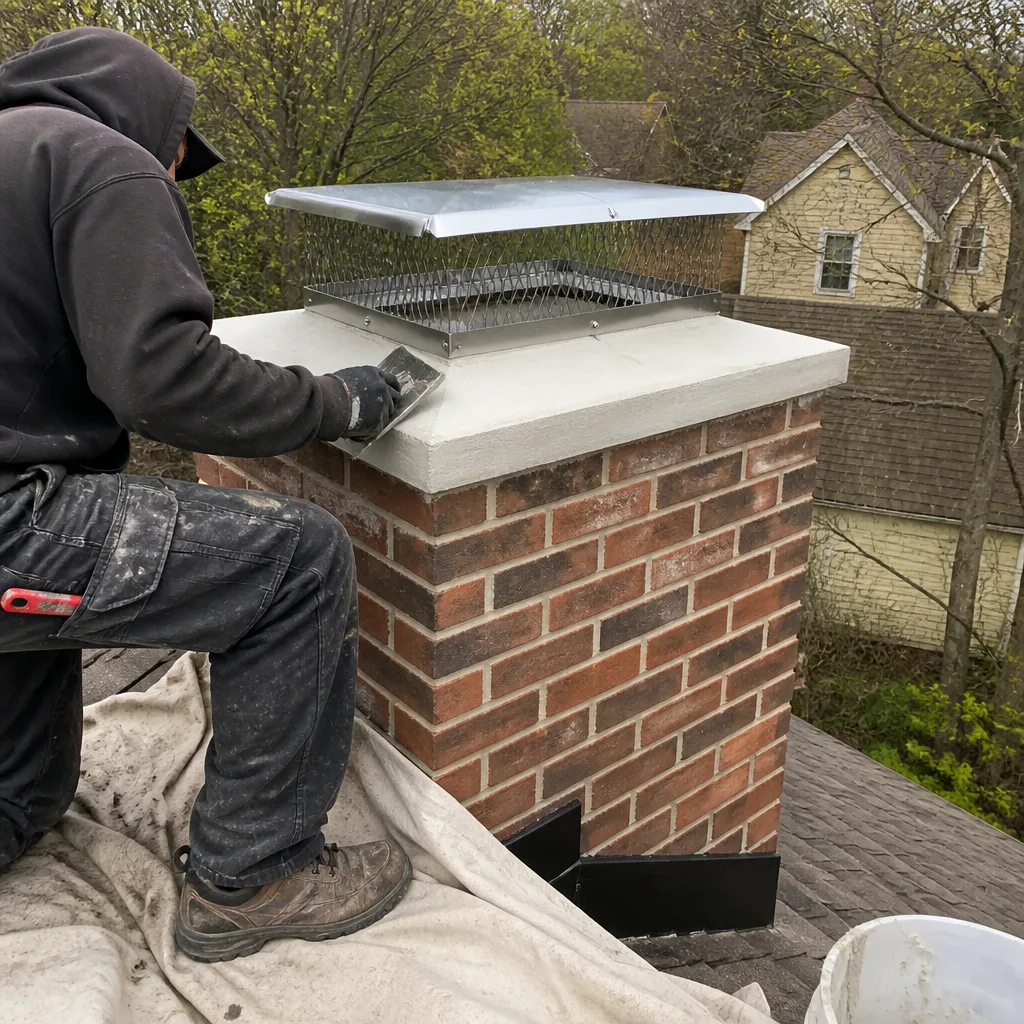 After
After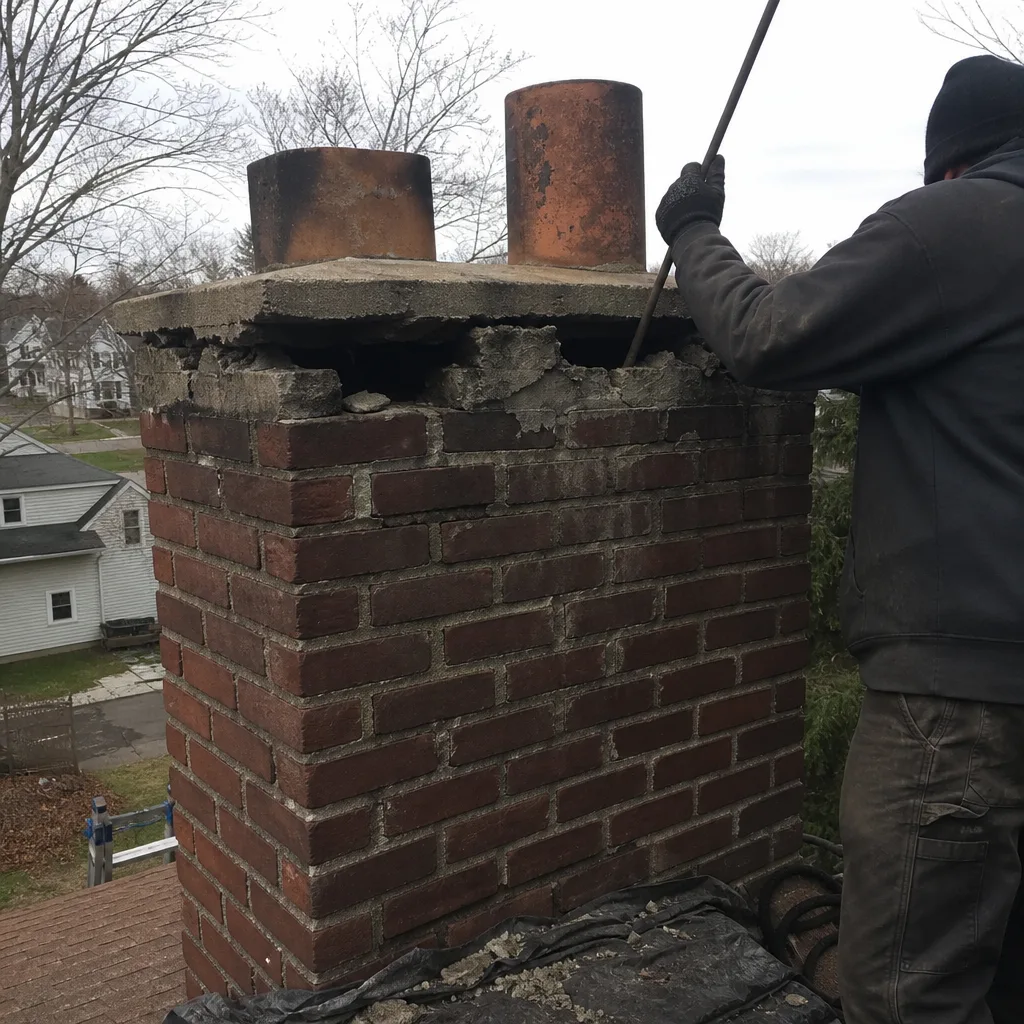 Before
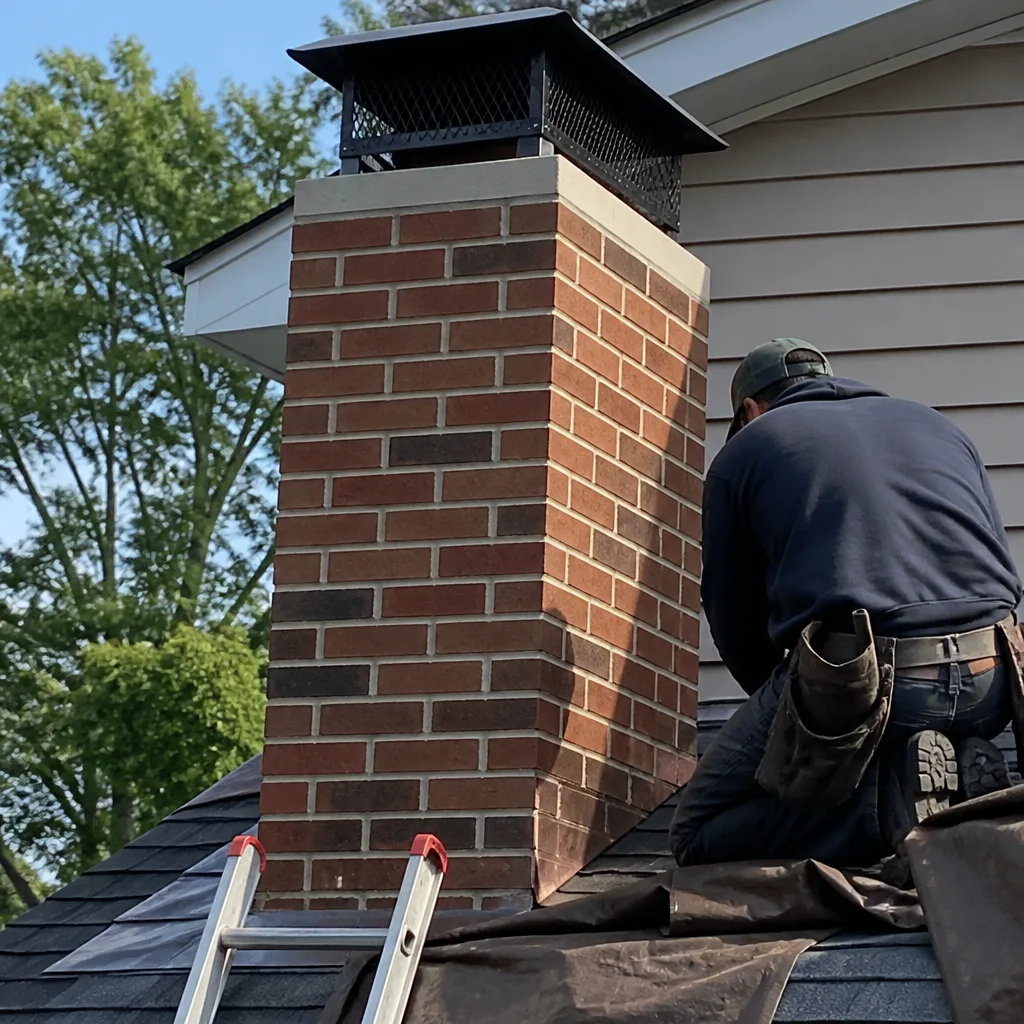 After
AfterHeatShield Chimney Liner & Rebuild in Bristol: What to Know First
We install, repair, and rebuild HeatShield chimney liners throughout Bristol, and most liner jobs take a single day once the right parts are in hand. As an independent HeatShield service provider, we’re not tied to factory pricing or factory timelines - we quote you a flat number before work starts and that number doesn’t change at the door. If you own a HeatShield liner and something feels off, or if you’ve been told you need a rebuild and want a second opinion, call (860) 743-7743 and we’ll walk you through what’s actually going on. This page is for Bristol homeowners who own HeatShield equipment and want straight answers about repair, replacement, and what it should cost.
How HeatShield Products Fail - and How We Fix Them
- Ceramic coating delamination on HeatShield CeaseFire liners. The CeaseFire system uses a ceramic coating applied inside the existing flue. Around Bristol, we see the coating start to separate from the underlying masonry after 8-12 years, especially on chimneys that run hot wood fires through cold winters. The telltale sign is a fine gray grit collecting at the bottom of the firebox. The fix is either a mechanical removal and re-coat where the substrate is sound, or a full liner replacement if the underlying clay has cracked.
- Weld-point stress cracks on HeatShield Rigid 316L sections. Rigid stainless sections handle heat well but the factory welds at the seam joints are where moisture does its work. In Bristol’s freeze-thaw cycle, condensation inside the flue settles at those welds, and repeated expansion works the seam until a hairline crack forms. Homeowners notice a faint metallic smell in the room. We cut and replace the damaged section, then re-anchor the remaining run with a proper top plate.
- Separated joint bands on HeatShield Flex 316Ti liner runs. Flexible liners use band clamps at each joint, and over the years those clamps loosen from vibration and thermal cycling. A separated joint lets flue gas and moisture into the chimney cavity. This one is easy to spot on a camera scan - the liner visibly shifts at the break. We re-seat, re-clamp, and inspect every joint for proper overlap. If the overlap is marginal, we replace the section rather than band-aiding it.
- Corrosion at the tee and cleanout on HeatShield Flex liner systems. The bottom of a flex liner run, where the tee connects to the appliance, catches the worst of the creosote and condensation mix. We’ve pulled more than one tee out of a Bristol fireplace that looked fine from above but was Swiss-cheesed at the bottom. The repair is straightforward: new tee, new cleanout cap, and a good look at the first three feet of liner above it.
- Improperly sized liner causing draft failure, common on older HeatShield installs. Some of the early HeatShield liner jobs in Bristol were installed by contractors who sized the liner to the existing chimney rather than to the appliance. A liner that’s too large for the wood stove it’s serving never builds enough velocity to vent properly. The stove backdrafts, the glass soots up, and the homeowner thinks the stove is the problem. We measure the flue against the appliance and rebuild with the correct diameter, which usually fixes the draft overnight.
Our HeatShield Chimney Liner & Rebuild Process
- 1
You call, you talk to a person. We answer the phone around the clock. You describe the problem, we give you a rough idea of what we think is happening, and we schedule a time that works. No voicemail box, no call center.
- 2
We show up and run a camera through the flue. No exceptions. You see the footage with us, in real time, and we explain what we’re looking at in plain English. If the liner is fine and the issue is elsewhere, we tell you and we don’t sell you a liner.
- 3
Parts decision: repair with what we can source, or replace the run. HeatShield parts can sometimes be matched with quality aftermarket stainless components from DuraFlex or Gelco. We’ll tell you what’s what, and we only use components that meet or exceed the original spec. We never void a remaining warranty by installing mismatched parts.
- 4
The repair or rebuild happens that day, usually. Most HeatShield liner jobs in Bristol are finished in one visit. Full rebuilds with masonry work take longer, but we sequence the work so the chimney is safe to use as soon as the liner is in place.
- 5
We test the draft, run the camera again, and show you the final footage. You see the finished liner from top to bottom. Any questions, we answer before we pack up.
- 6
You get the 90-Day Done Right Promise in writing. If anything’s not right, one call brings the crew back at no additional cost. That’s the same promise we’ve made on every job since 1999.
What HeatShield Chimney Liner & Rebuild Costs in Bristol
Here’s what HeatShield liner work typically runs in Bristol, based on the jobs we do most weeks:
- HeatShield flex liner repair (section replacement): $450 to $900, depending on access and how many sections are involved.
- HeatShield ceramic coating repair (delamination fix, flue prep and re-coat): $800 to $1,600, depending on flue height and condition of the masonry.
- Full HeatShield liner replacement in a single-story chimney: $2,200 to $4,800, including removal of the old liner, new liner, top plate, and cap.
- Chimney rebuild with liner replacement (partial masonry rebuild, crown, and liner): $4,500 to $9,000 in Bristol. Older homes near Lake Compounce with freeze-damaged crowns tend to run toward the higher end because the top courses of brick are usually spalled.
Three things move the price: flue height (two-story chimneys cost more in materials and ladder time), access (roof pitch and surrounding trees), and whether the existing masonry needs rebuild work before the liner goes in. We give you the number before any tool comes off the truck, and that number is the invoice. Call (860) 743-7743 for a free estimate on your specific situation.
Why Bristol Homeowners Call Top Hat Chimney for HeatShield Work
We’ve been working Bristol chimneys since 1999, and Wendell Pike, the owner, still shows up on the roof. Not a franchise that rotated in last spring. Not a truck with a logo that answers to an out-of-state office. One guy, his crew, and a published license number that any neighbor can verify. We work with HeatShield, DuraFlex, Gelco, Olympia, Famco, and Copperfield because no single brand fits every chimney, and we’d rather fix your HeatShield liner correctly than sell you a brand we’re comfortable ignoring. Every job carries our 90-Day Done Right Promise, the price we quote is the price you pay, and if we’re inside the county, there’s no trip charge. Seniors and veterans always get 10% off. If it needs doing, we will do it right. If it does not, I will tell you that instead.
FAQs
In most cases, no, provided the repair is done with components that meet the original spec and doesn’t alter the liner’s structure or sizing. We match HeatShield sections with quality aftermarket stainless where appropriate, and we document every repair with before-and-after camera footage so you have a record if a warranty claim ever comes up.
HeatShield parts are often available through supply channels, but lead times vary. When a matching part isn’t available quickly, we can usually substitute a quality component from DuraFlex or Gelco that meets or exceeds the original specification. We’ll tell you the trade-offs before we order anything, and we never install a mismatched part just to finish the job. Call (860) 743-7743 and we’ll check availability while you’re on the phone.
Most liner replacements are done in one day, including removal, installation, and camera verification. A full chimney rebuild with masonry work takes longer, typically two to four days depending on weather and the scope of the brick work. We sequence the job so the chimney is safe to use as soon as the liner is in place, even if the crown and cap work continues later.
That depends on what the camera shows. Minor surface cracking can sometimes be addressed with a ceramic re-coat, but if the liner has separated at a joint, corroded at the tee, or the underlying clay flue is cracked, re-coating is putting lipstick on a structural problem. We’ll show you the footage and give you an honest recommendation. If it needs doing, we’ll do it right. If the liner has years left, we’ll tell you that, too.
A failed liner lets flue gas and moisture into the chimney cavity, and in a Bristol house with a wood fireplace, that means creosote building up outside the liner where no brush can reach it. That’s how chimney fires start, and that’s how carbon monoxide finds its way into bedrooms. Our strong recommendation is to fix it before the burning season, not after a scare. Call (860) 743-7743 and we’ll give you an honest read on the urgency, not a sales pitch.
Written by Wendell Pike, Owner, Top Hat Chimney at Top Hat Chimney, serving Bristol and nearby areas.