
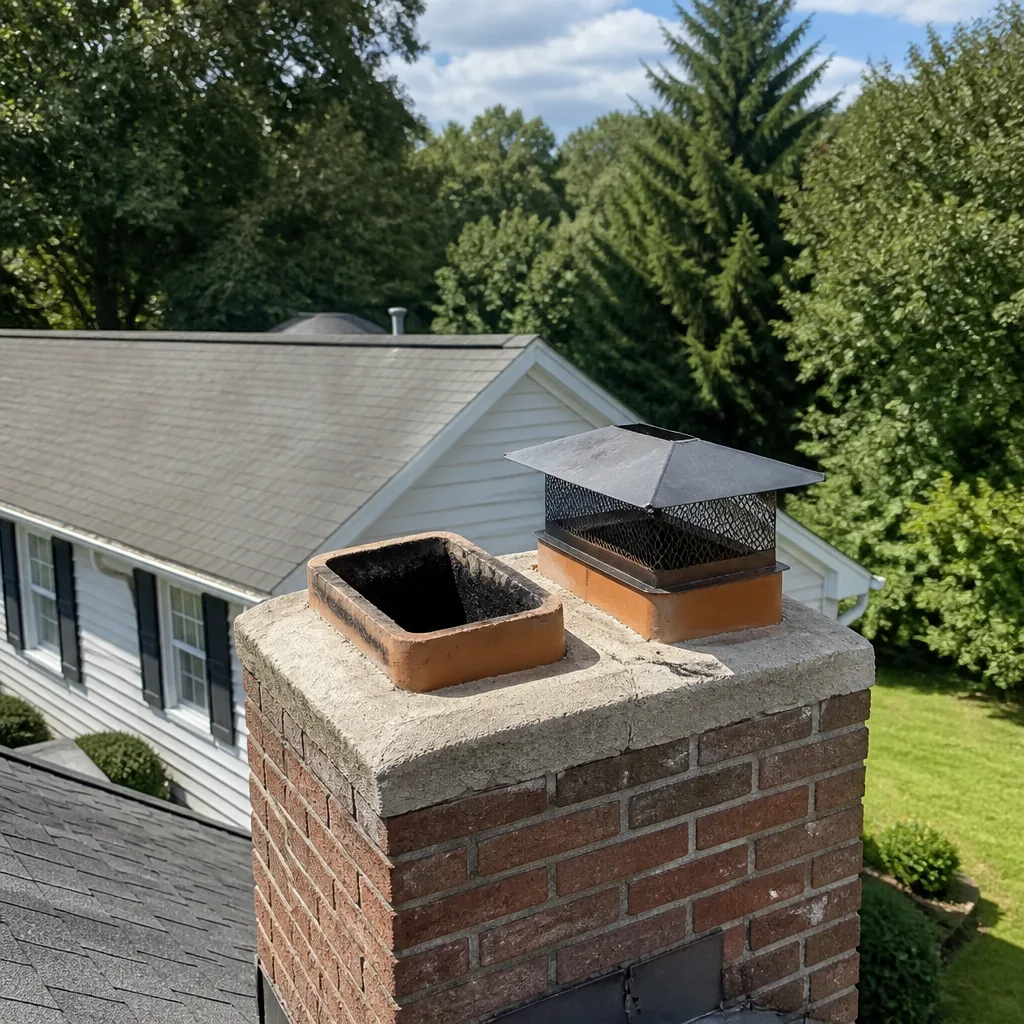
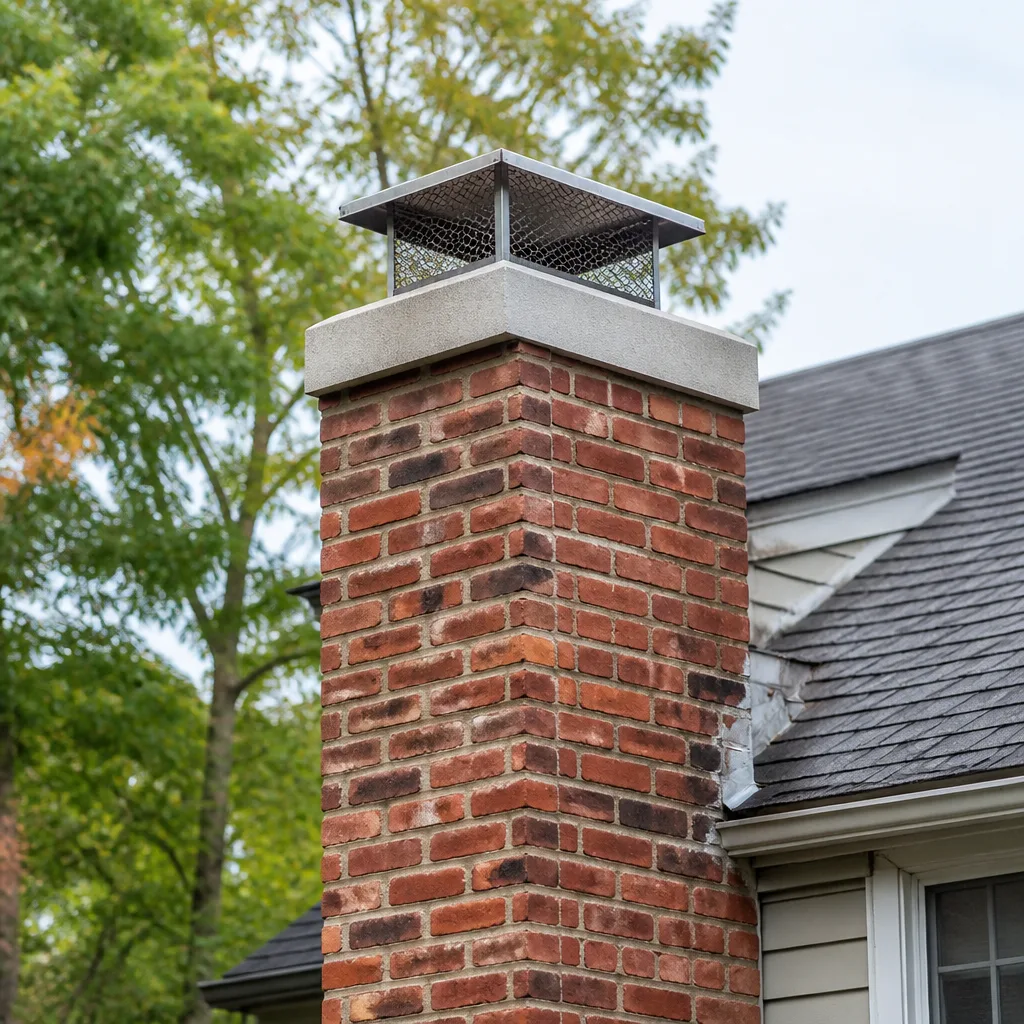
Level 1 sweep and inspection to the NFPA 211 annual standard - flue, crown, cap, and flashing checked and photographed
Chimney sweep logs do not sweep chimneys. They loosen some creosote - which then falls where a brush and vacuum still have to collect it.
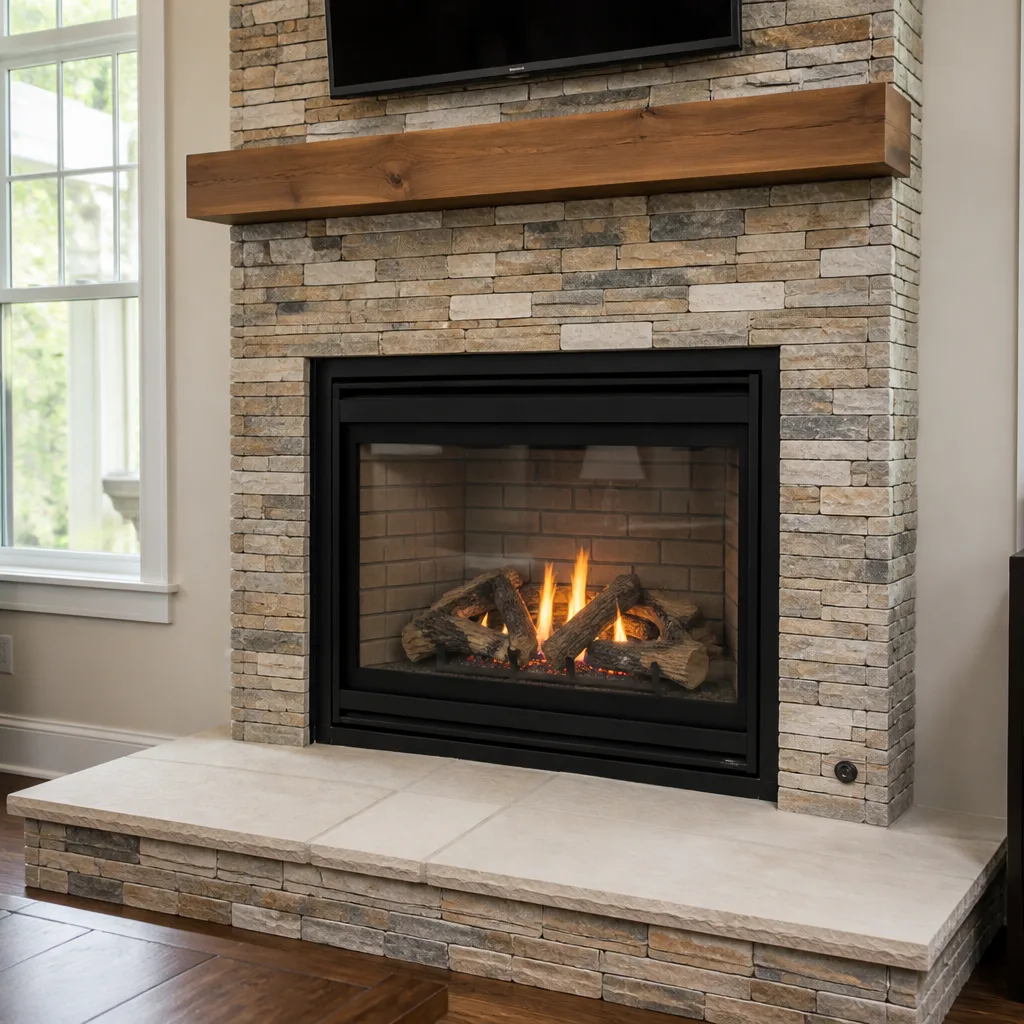
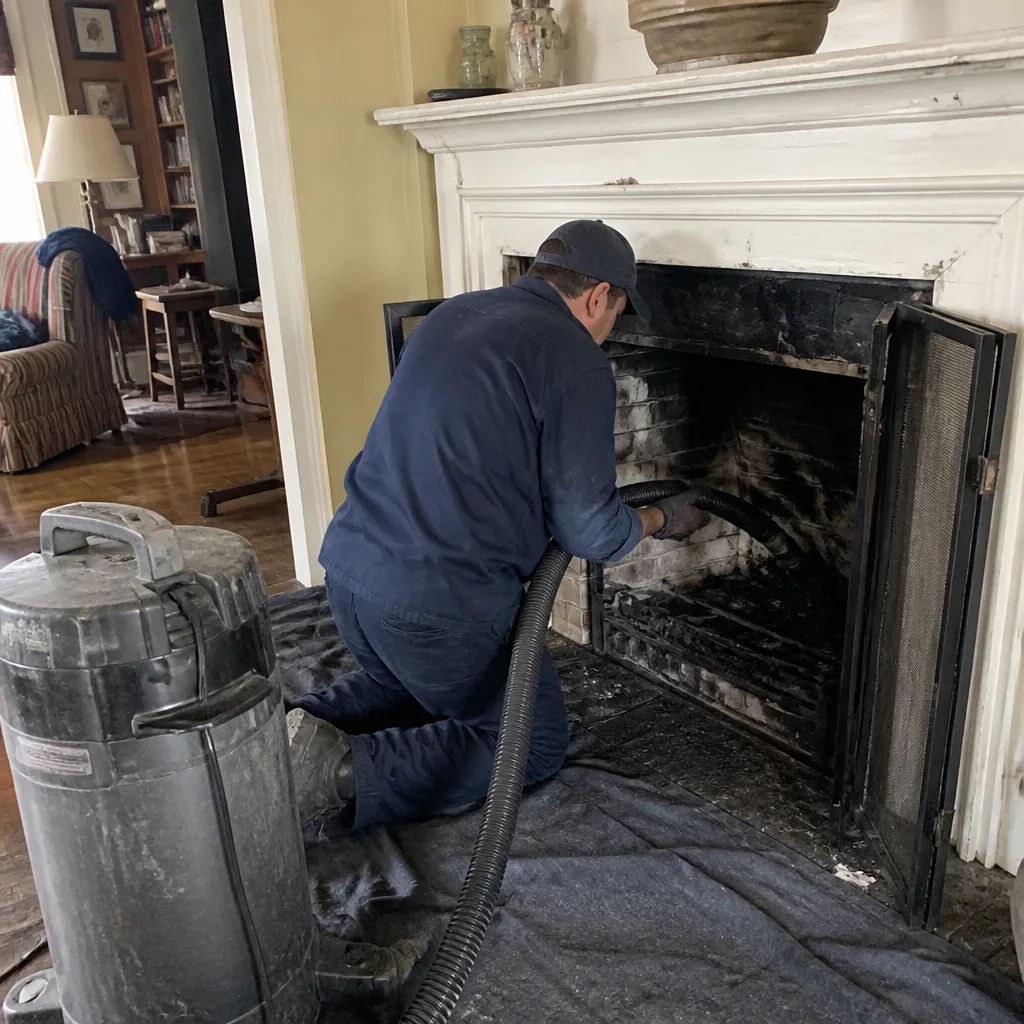 Before
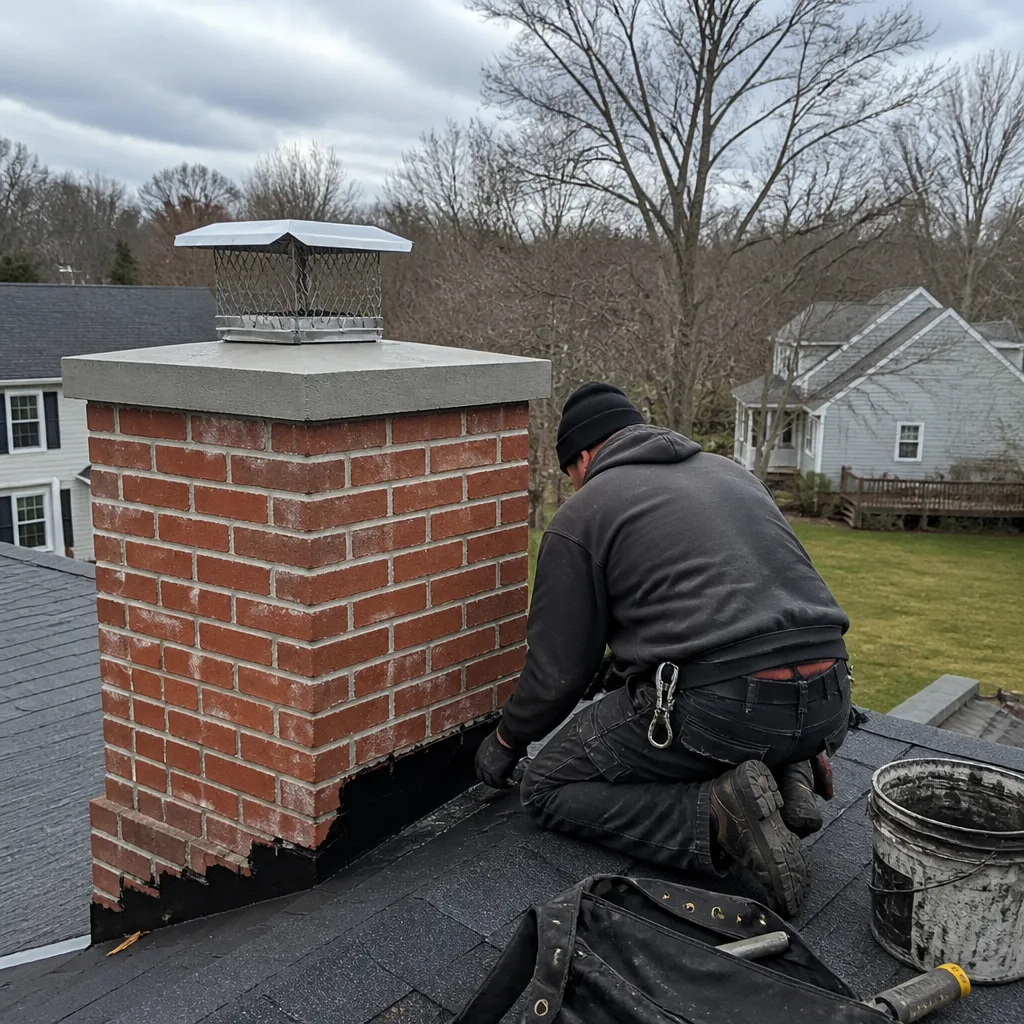 After
After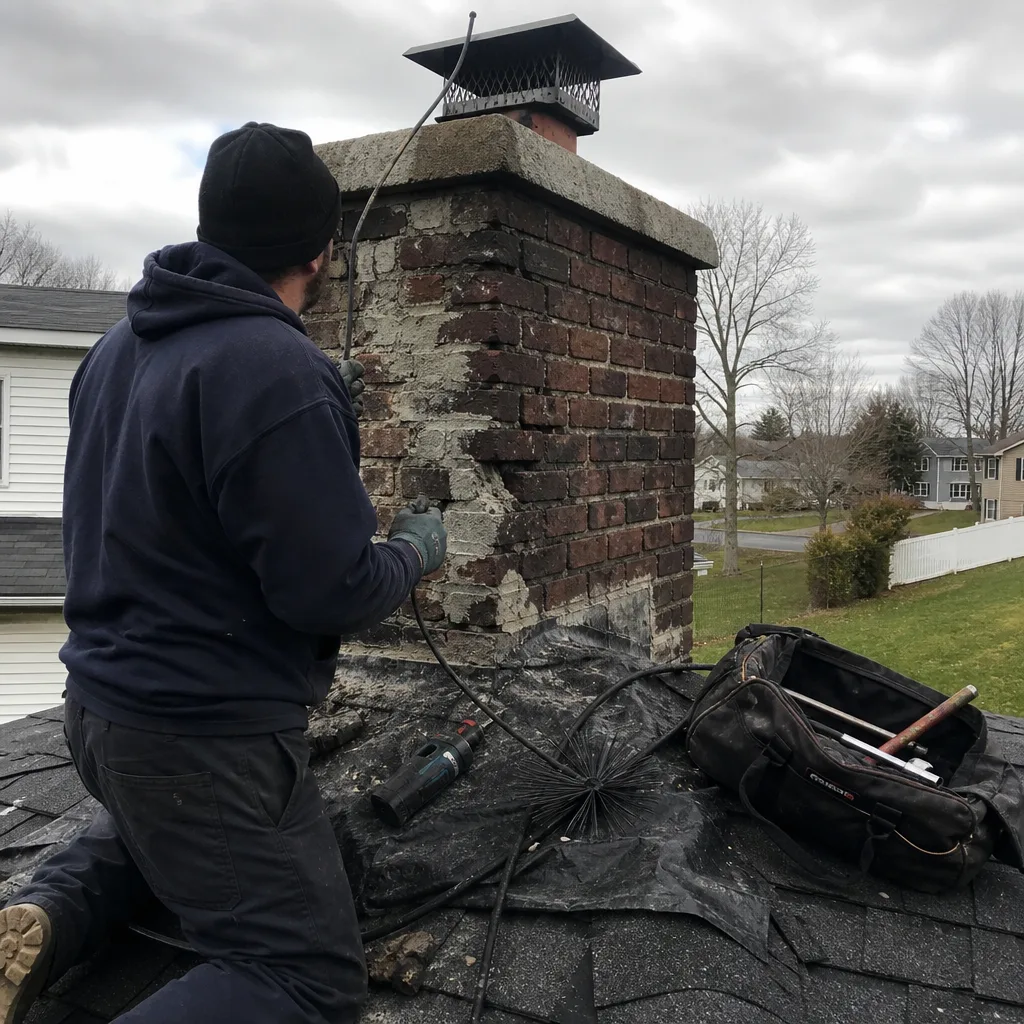 Before
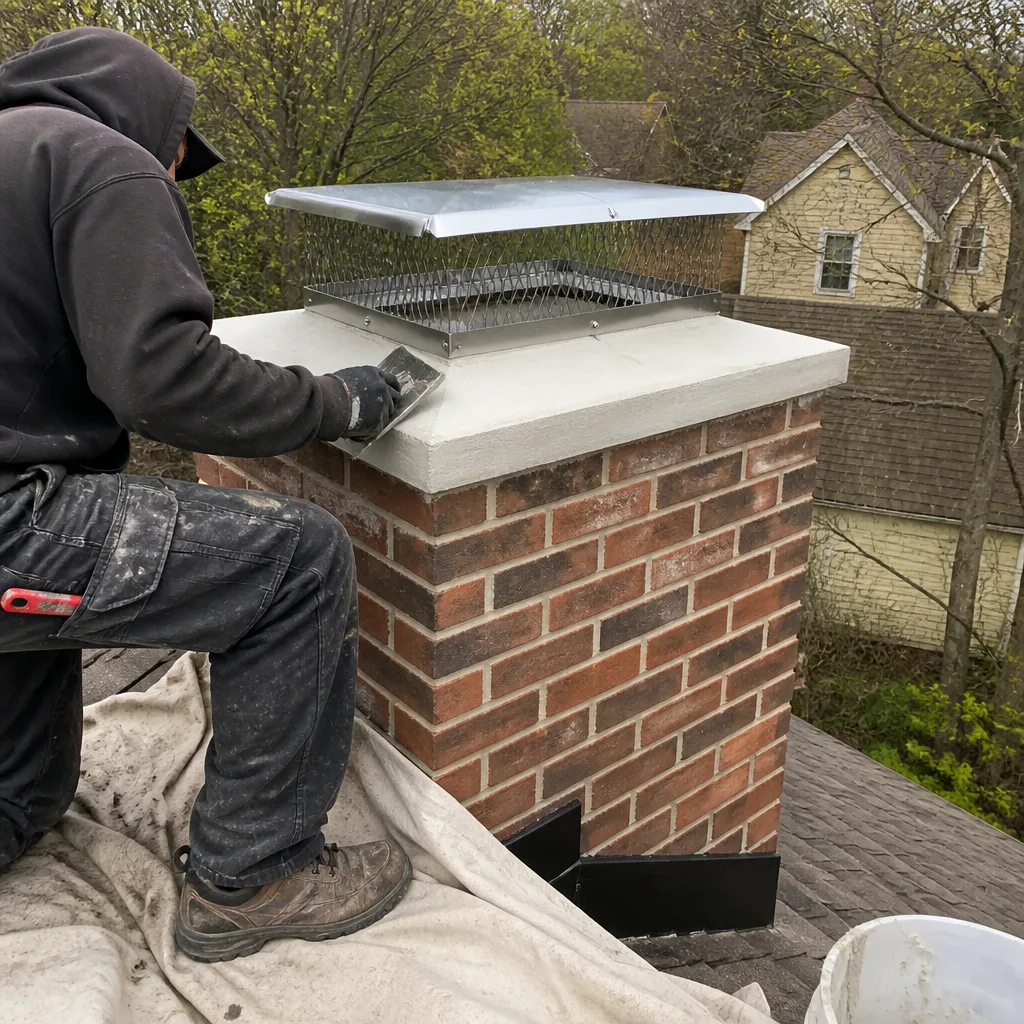 After
After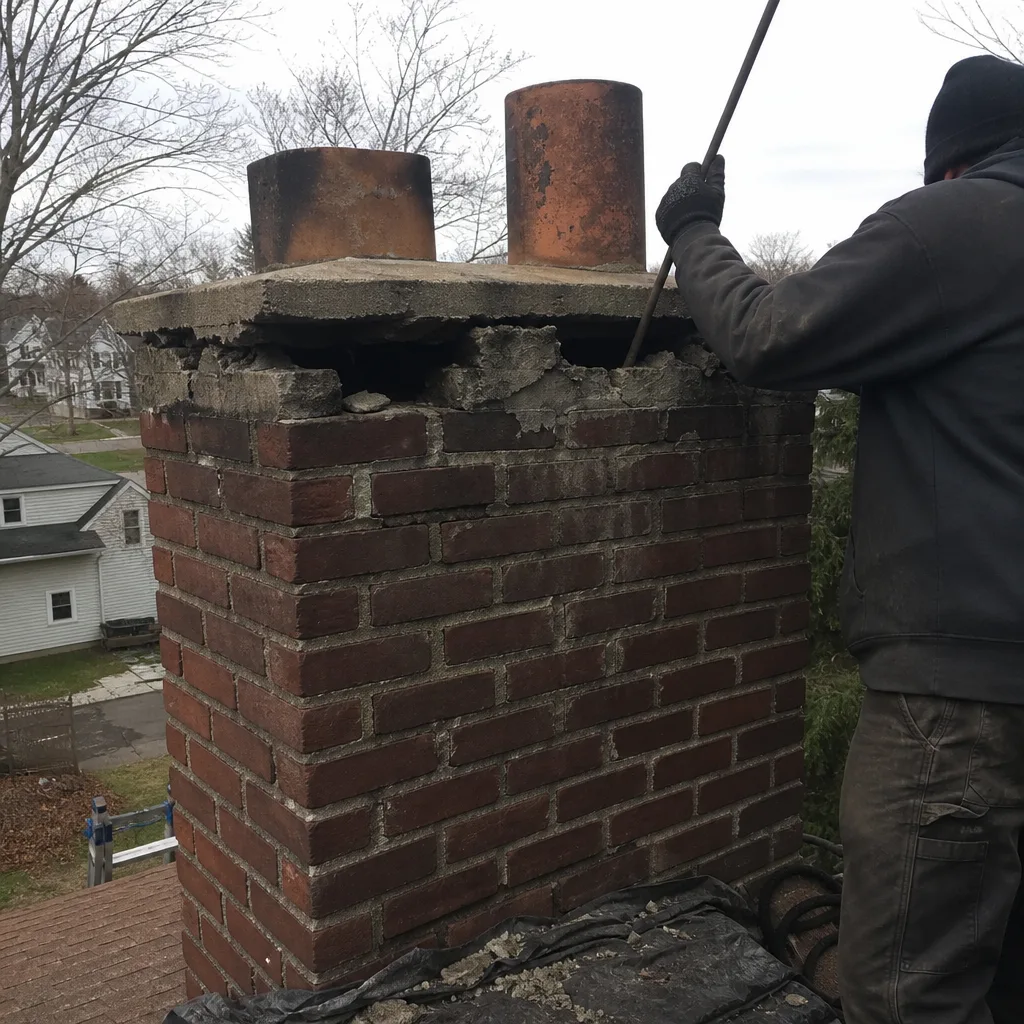 Before
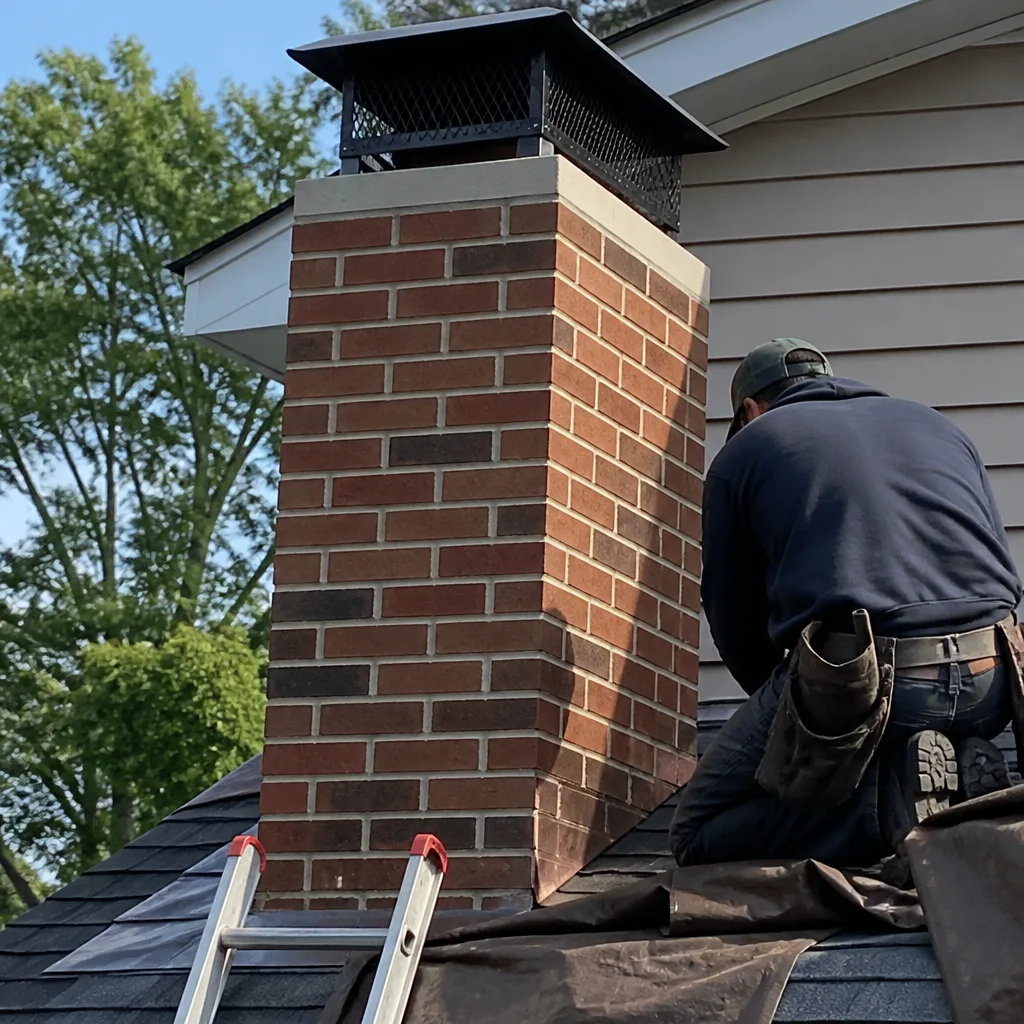 After
AfterFamco Flue Liner Replacement: The Bristol Owner’s Guide
Famco flue liner replacement in Bristol typically runs between $2,100 and $4,800 installed, depending on liner diameter, length, and what we find once the old liner comes out. We stock Famco-compatible stainless steel liner kits on the truck, so most Bristol jobs get done in a single visit. Where owners usually discover the failure: a rust stain bleeding through the chimney chase, a faint smoky smell in the house on windy days, or a furnace that’s suddenly tripping the rollout switch more than it should.
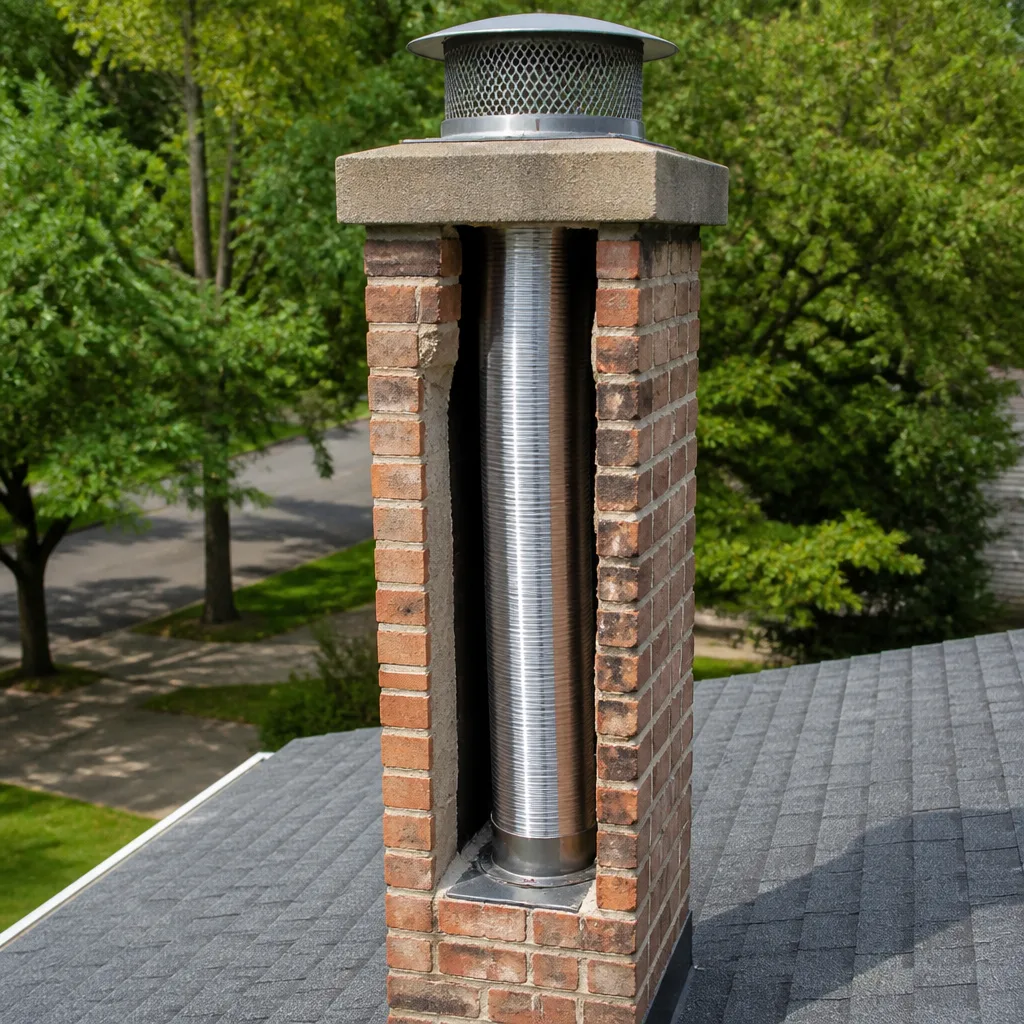
Here’s what matters: a Famco liner is a metal tube inside your chimney that carries exhaust gases up and out. When it rusts through or separates at a seam, those gases find their way into places they shouldn’t be. We’ve worked on homes all over Bristol, from the colonials near Chippens Hill to older Capes around Federal Hill, and the story is usually the same: the liner was original to the house, nobody looked at it for thirty years, and Connecticut’s freeze-thaw cycles did what they do.
This page covers what you need to know before you call anyone: which Famco models this applies to, what installed replacement costs in Bristol, whether you can safely wait, and how the whole job goes from start to finish. If you’re not sure whether your liner is actually bad, call us at (860) 743-7743. Wendell Pike will tell you straight, even when the answer is that it doesn’t need doing yet.
Which Famco Models This Applies To
Famco is an old northeastern manufacturer, and their liners show up in a lot of Bristol homes built between about 1975 and 2005. The brand has been through several ownership changes, which means the model names stamped on your liner or cap will vary depending on the era. The most common ones we encounter in Connecticut are the Famco Flexible SS series, the Famco RIGID SS series, and older galvanized liners paired with Famco caps and collars from the 1980s.
Here’s the compatibility gotcha most people don’t know: Famco flexible liners were produced in both 4-inch and 5-inch diameters at various points, and some older Bristol oil furnaces were set up for 5-inch liners that are no longer a standard stock item at most suppliers. If your label says 4-inch, you’re in good shape; we keep standard 4-inch and 6-inch stainless replacement liner in the truck. If it says 5-inch, we may need to order a specific adapter or sleeve to match your existing cap and connector. Always snap a photo of the label on the liner, the cap, and the appliance connector before calling for a quote; it saves everyone a trip.
The OEM-vs-aftermarket question: Famco no longer supports the original manufacturing run for most of the liners we see in Bristol, so “OEM” often means a warehouse leftover or a label shared with an unrelated product. For replacement we stock quality stainless steel flex liner from Famco’s current line, plus top-tier equivalents from DuraFlex and Copperfield when size or application calls for it. Functionally, a properly sized 316L stainless liner is a 316L stainless liner; the real work is in the fitting, the insulation, and the connection details, not the sticker on the box. Everything we install is listed to UL 1777, and we’ll show you the spec sheet before anything goes in.
Signs Your Famco Flue Liner Replacement Is Failing
- Rust-colored streaks or staining on the chimney chase or ceiling below. Moisture in the flue has condensed against the liner, and the liner has rusted through. Water from combustion is supposed to vent out the top; when it seeps through steel instead, you see it on finished surfaces.
- A metallic or smoky odor indoors on days the furnace runs longer than usual. As the liner develops pinholes and seam separations, flue gases leak into the chimney cavity and drift back into living space through gaps around the pipe.
- White powdery deposits at the joints, especially around the appliance connector. This is a hot flue gas condensate reacting with the galvanized outer sleeve. It means the liner’s inner wall is compromised and acidic condensate is working its way out.
- Visible flaking, scaling, or thinning when you look down the liner with a flashlight. By the time this is visible from the top or through the cleanout, the steel has lost meaningful structural thickness. Connecticut’s freeze-thaw cycles accelerate this in older galvanized liners after 25 to 30 years.
- The furnace or boiler keeps tripping safety switches that used to hold steady. If a liner collapses internally, exhaust backpressure rises and rollout switches trip. It’s an easy call to blame the appliance, but we’ve pulled collapsed liners out of chimneys in Bristol where the furnace was practically new.
Replacement Cost & What’s Included
Here’s what we quote in Bristol, based on hundreds of liner jobs over the years. Every price is for the full job: the liner, insulation, cap, connector, and the labor to get it in and tested. Nothing hidden, no surprise line items on the invoice.
| Liner Type | Diameter | Typical Installed Price, Bristol |
|---|---|---|
| Stainless steel flex, gas appliance | 4-inch | $2,100-$2,900 |
| Stainless steel flex, oil appliance | 4-inch or 5-inch | $2,400-$3,400 |
| Stainless steel rigid or mixed | 6-inch | $2,800-$3,900 |
| Long runs, multi-story, chase access | Any | $3,200-$4,800 |
What drives the spread: how tall the run is, whether the old liner fights us on the way out, whether we can pull from the top or need to open the cleanout, and whether your existing cap and connector are reusable. If they’re rotted too, we tell you before ordering anything. The number we quote on the phone is the number on the invoice, and it stays that way unless we find something nobody could have seen from outside.
Every Famco flue liner replacement we install is backed by our 90-Day Done Right Promise in writing. If it’s not right, one call brings Wendell and his crew back at no additional cost. Parts are covered by manufacturer warranty; our labor is covered by us.
DIY or Call Us?
For a Famco flue liner replacement, this is not a do-it-yourself job. Installing a listed liner means working at height, handling stainless steel that arrives coiled under tension, and making connections that have to hold under heat and backpressure. Carbon monoxide is the silent part, and it doesn’t announce itself. If you want to confirm the diagnosis before anyone comes out, you can do a few safe things: check for rust stains around the chase, look into the cleanout with a flashlight for flakes, and snap a photo of the label on the existing liner. That’s genuinely helpful to us on the phone.
What we’d ask you not to do: don’t drop anything down the chimney, don’t tape or patch a liner section yourself, and don’t run the appliance while you’re “thinking it over” if you can smell gas or burning metal. Those symptoms mean stop using it until someone has looked. If you’re within Hartford County, there’s no trip charge for us to come out, and our estimate is free. Call (860) 743-7743 and we’ll schedule a time that fits your week.
FAQs
In Bristol, a Famco liner on a gas appliance typically lasts 25 to 30 years; on an oil appliance, 15 to 25 years, because oil exhaust carries more acidic condensate. Galvanized liners from older installs run shorter. The factor that kills them early in Connecticut is the freeze-thaw cycle: moisture condenses in the liner, freezes, expands, and cracks whatever’s weak. An annual inspection catches thinning before it becomes a hole. If you’re past year 20 and can’t remember the last time anyone looked, call (860) 743-7743 and we’ll put eyes on it.
Small pinholes in a short section can sometimes be sleeved, but once a Famco liner is visibly rusted through or separated at a seam, the right call is usually replacement. Patchwork on a liner that carries carbon monoxide is a bad gamble, and it costs more over time than doing it once. We’ll show you the camera footage and you can see exactly what we’re seeing before you spend a dime. If it doesn’t need a full replacement, we’ll tell you that too.
Most single-family homes in Bristol run about 3 to 5 hours for a straight liner pull and replacement. If the old liner is collapsed or the chase needs an access panel, expect a full day. We give you a real arrival window, and we call if anything slips. One visit, in and out, with the furnace or boiler running and tested before we leave.
We carry standard 4-inch and 6-inch stainless steel flex liner, insulation sleeves, caps, and connectors on the truck. If your setup calls for a 5-inch liner or a specialty termination, we may need to source it before install day. We stock liners from Famco, DuraFlex, and Copperfield, and we’ll match what’s right for your chimney, not just what’s already in the truck. Call us at (860) 743-7743 and we’ll confirm before you book a day off.
If a liner fails on a furnace or boiler, the exhaust gases that should be venting outside can leak into the chimney chase and, from there, into the house. Carbon monoxide is odorless and heavier than air; in a closed-up Connecticut winter house, that’s a genuine risk. Rust-through also introduces moisture into the masonry or framing around the chase, which means mold, rot, and a bigger repair later. If the liner looks bad, the smart money is usually the cheaper fix now. If you’re not sure, we’ll come look. One call: (860) 743-7743.
Written by Wendell Pike, Owner, Top Hat Chimney at Top Hat Chimney, serving Bristol and nearby areas.