
Last updated September 10, 2026
Level 1 sweep and inspection to the NFPA 211 annual standard - flue, crown, cap, and flashing checked and photographed
Chimney sweep logs do not sweep chimneys. They loosen some creosote - which then falls where a brush and vacuum still have to collect it.
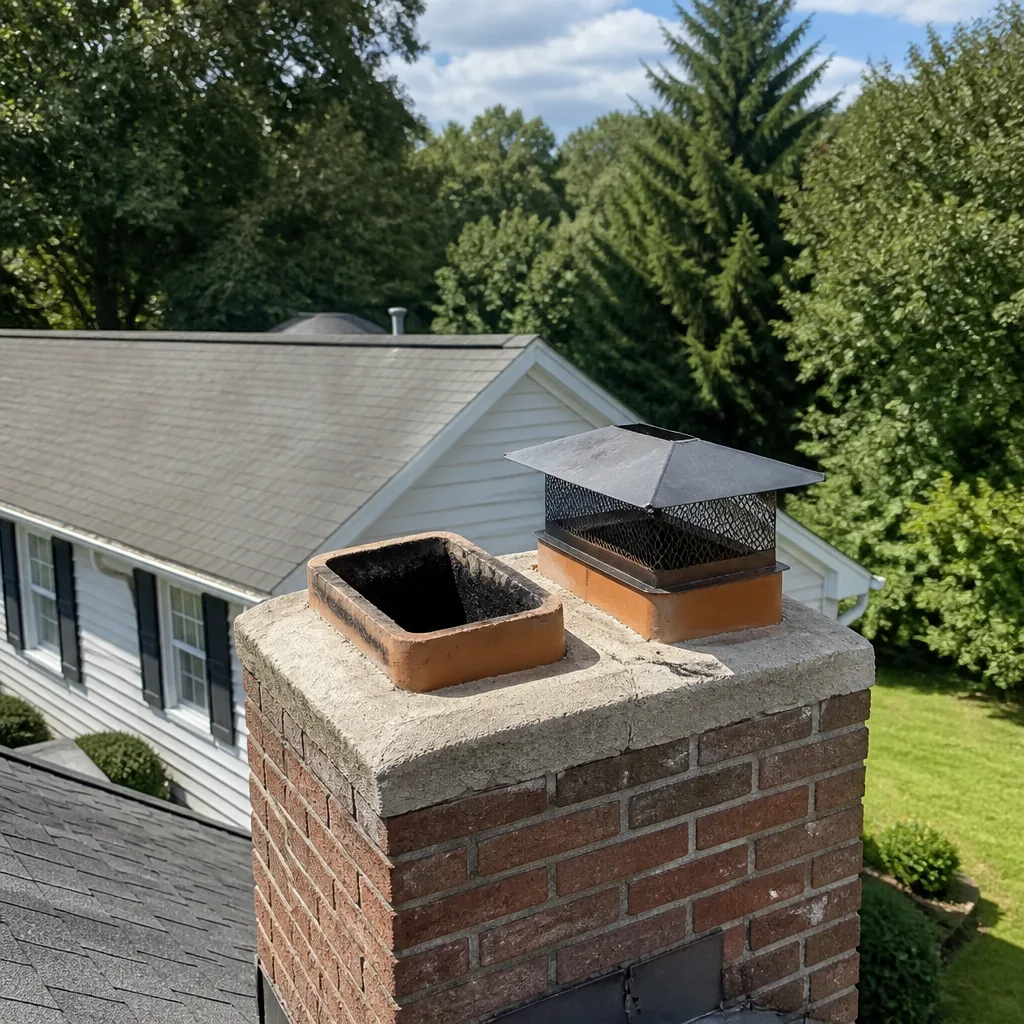
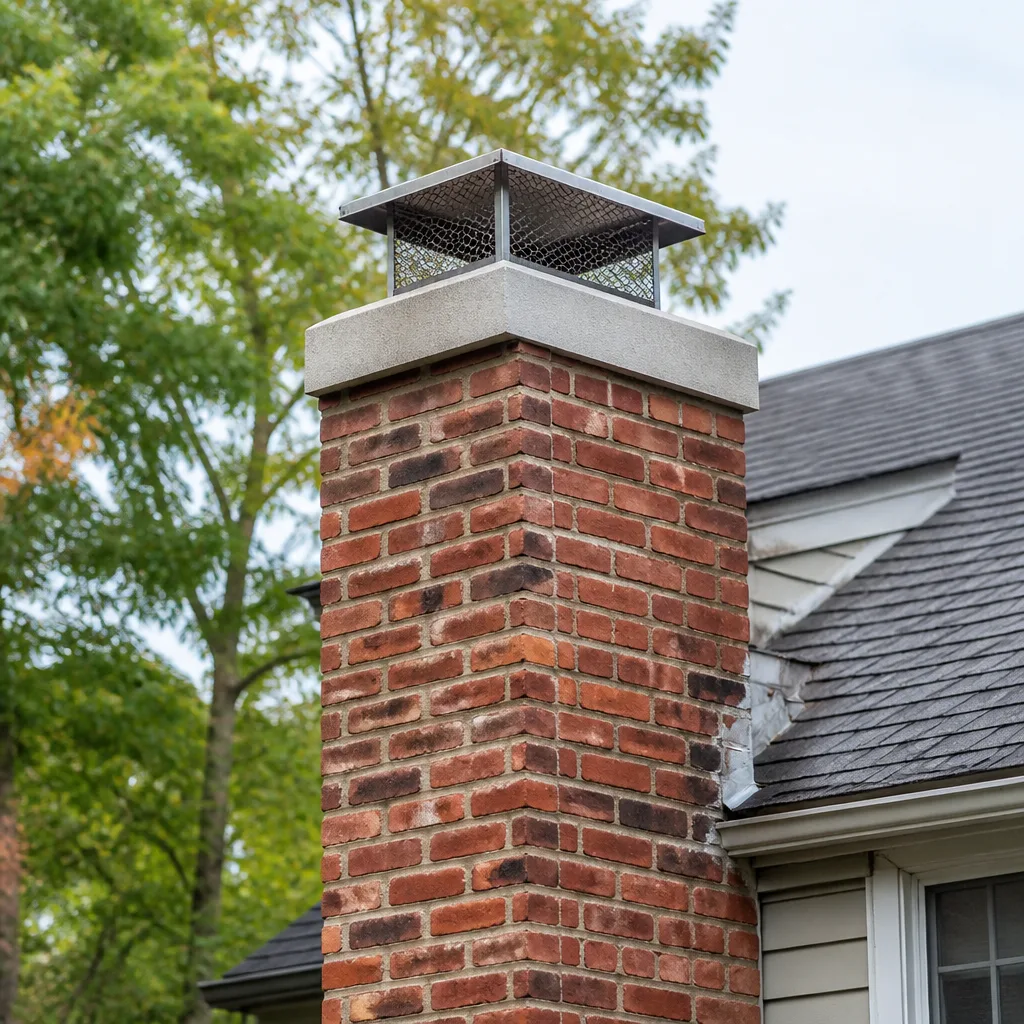
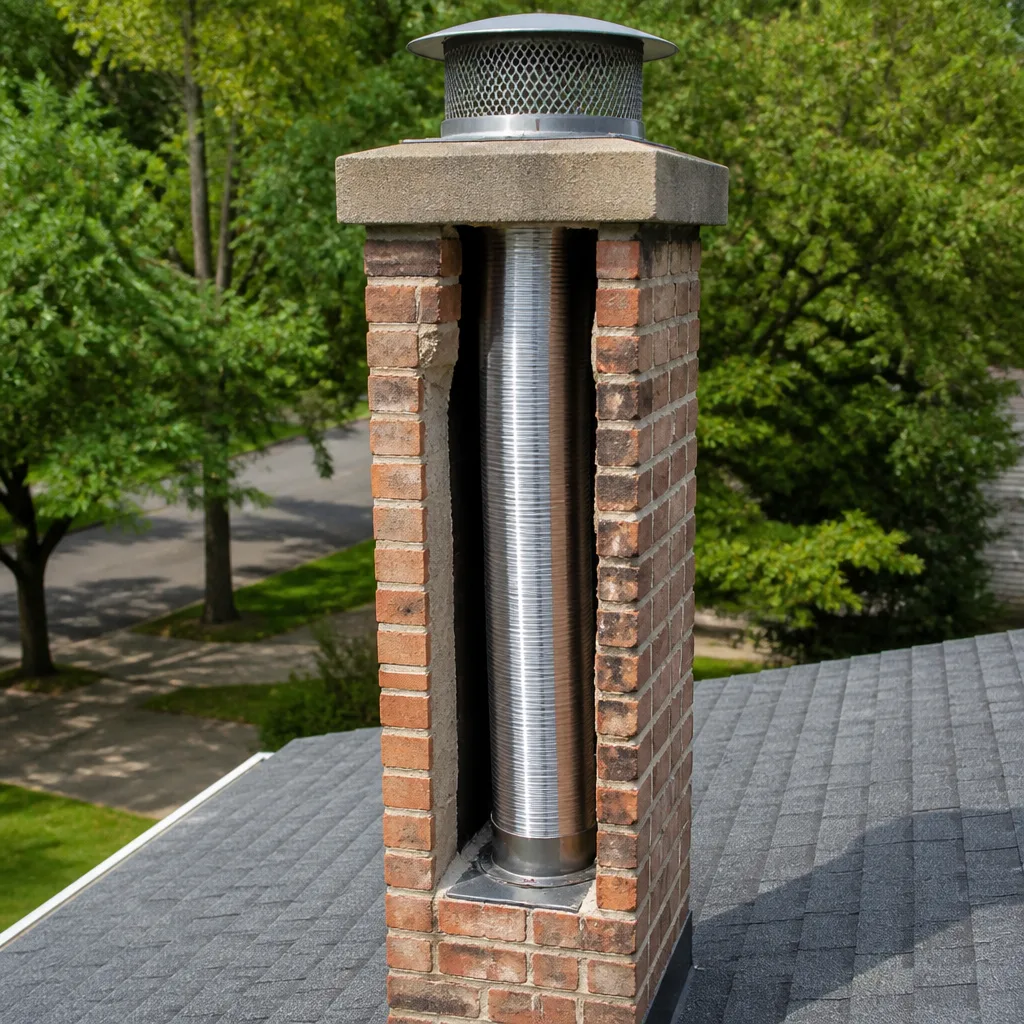
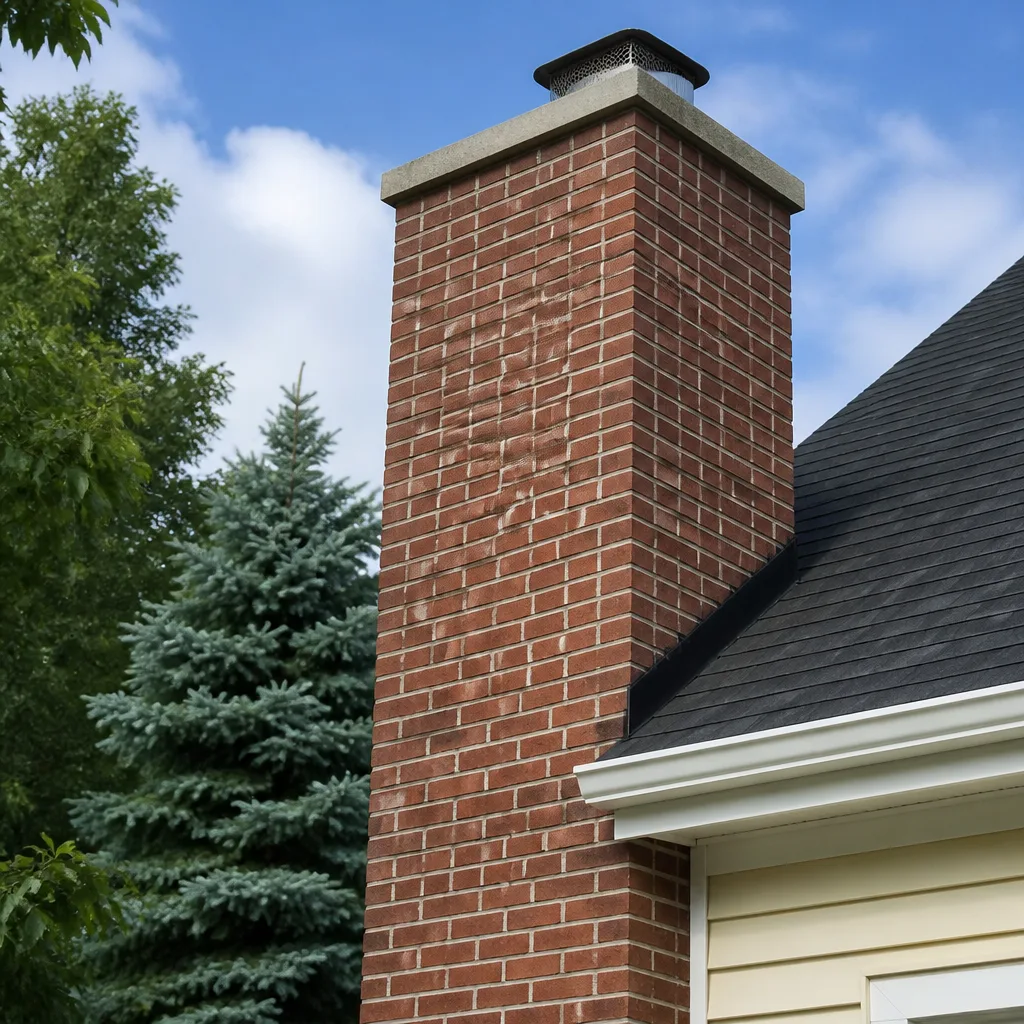
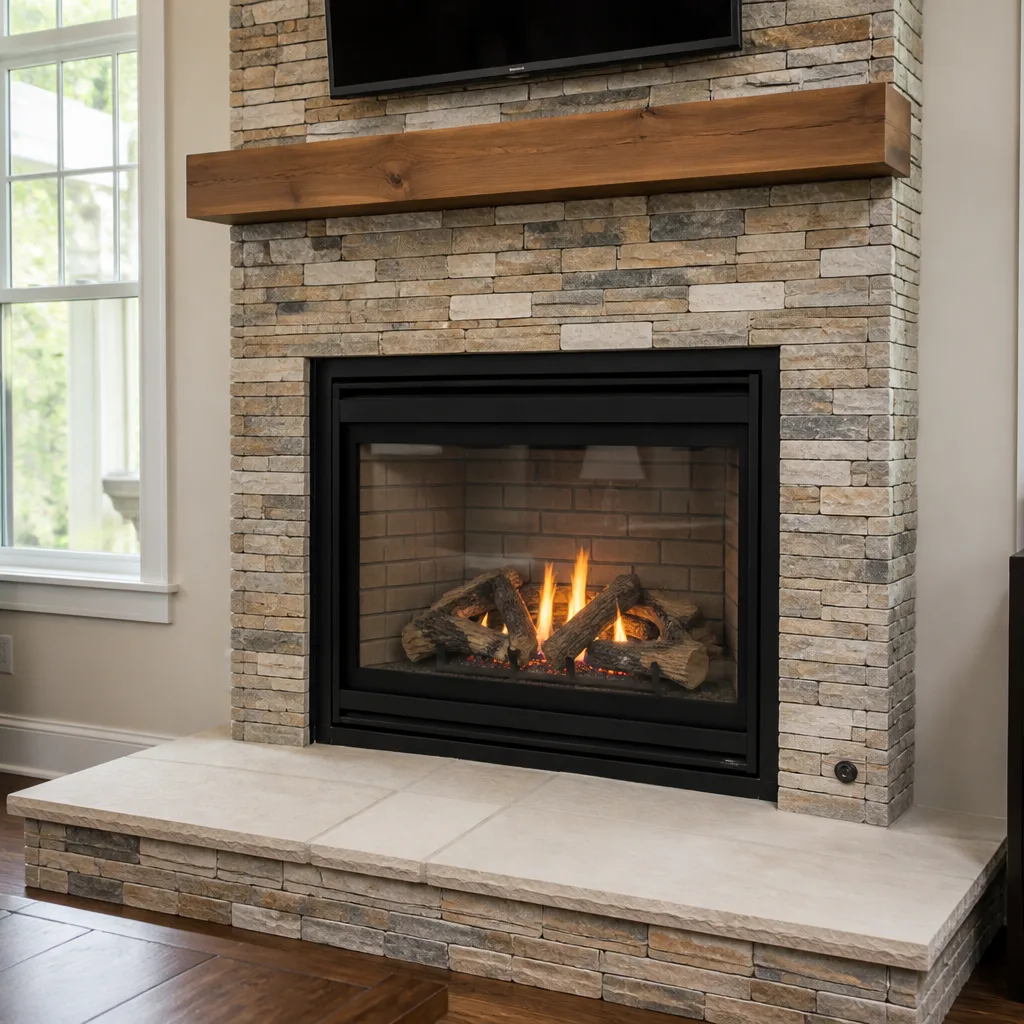
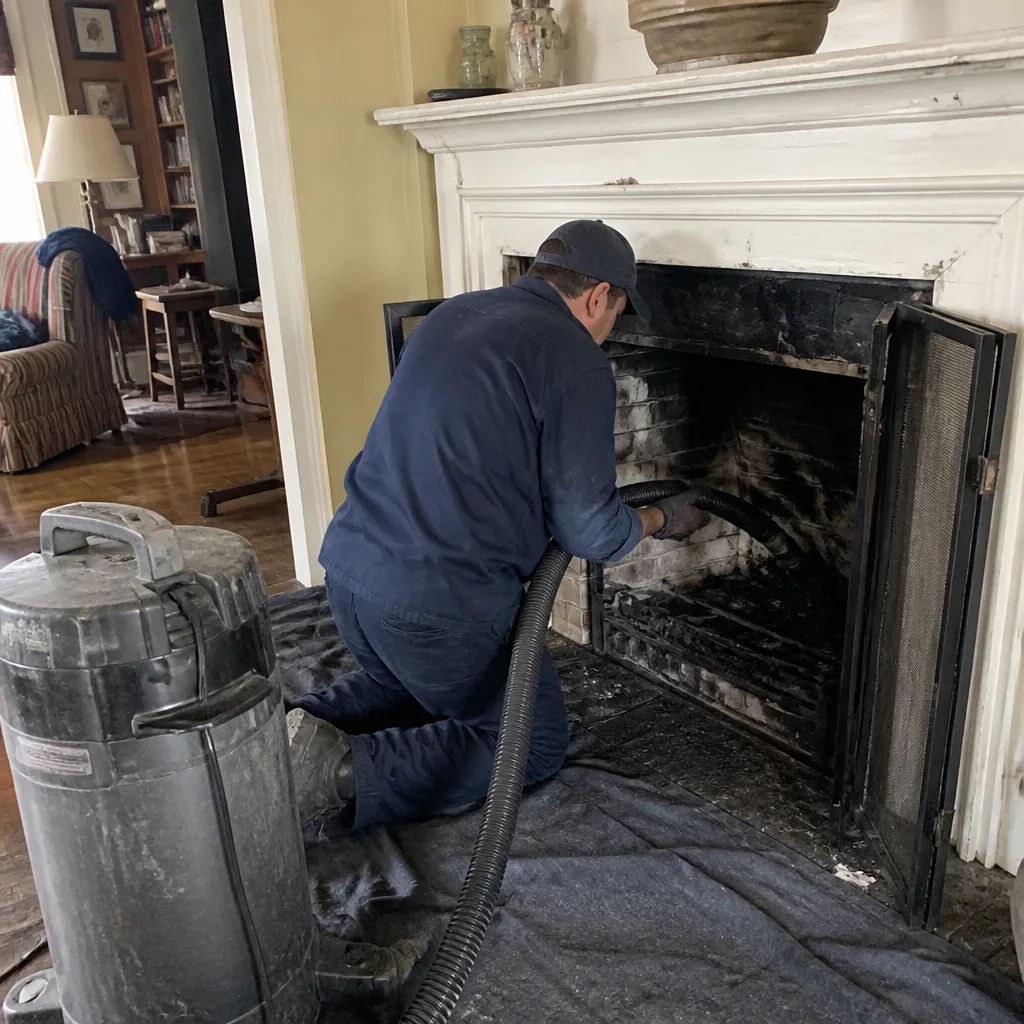 Before
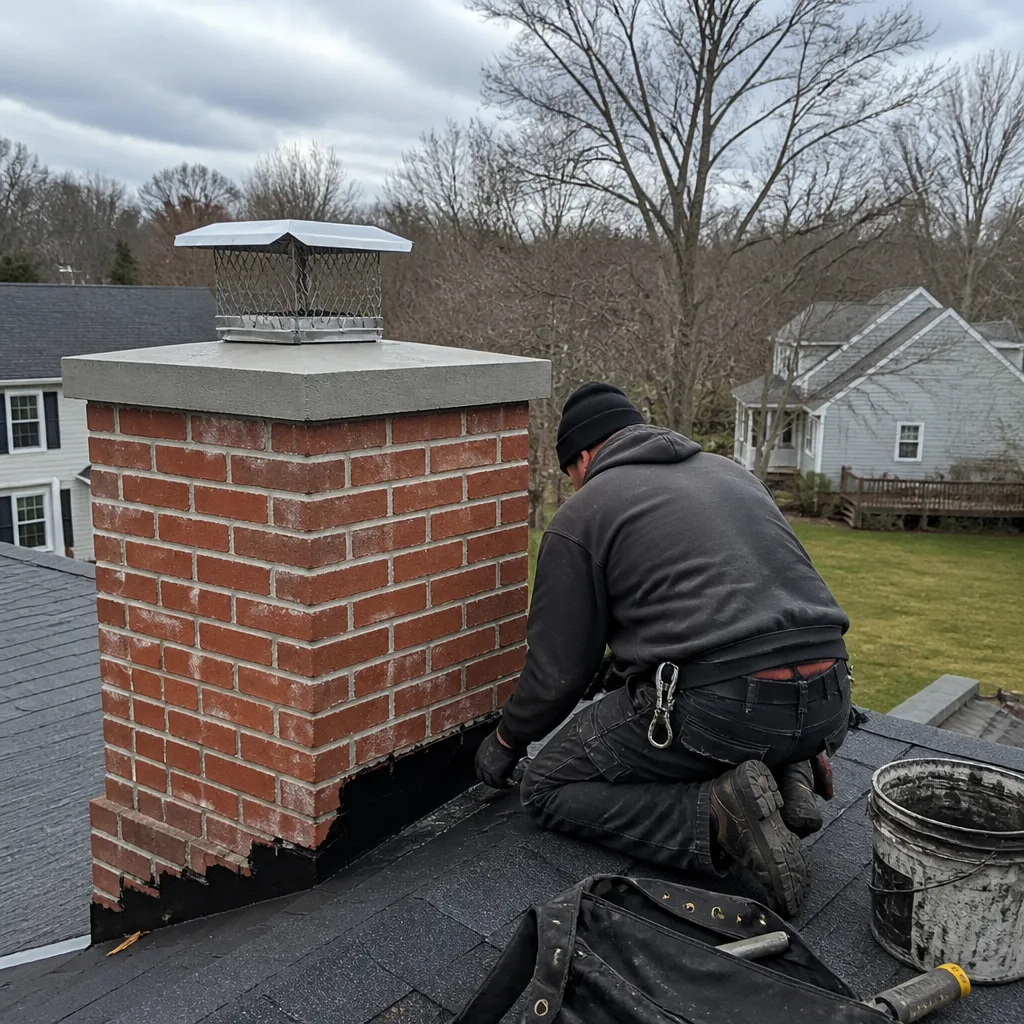 After
After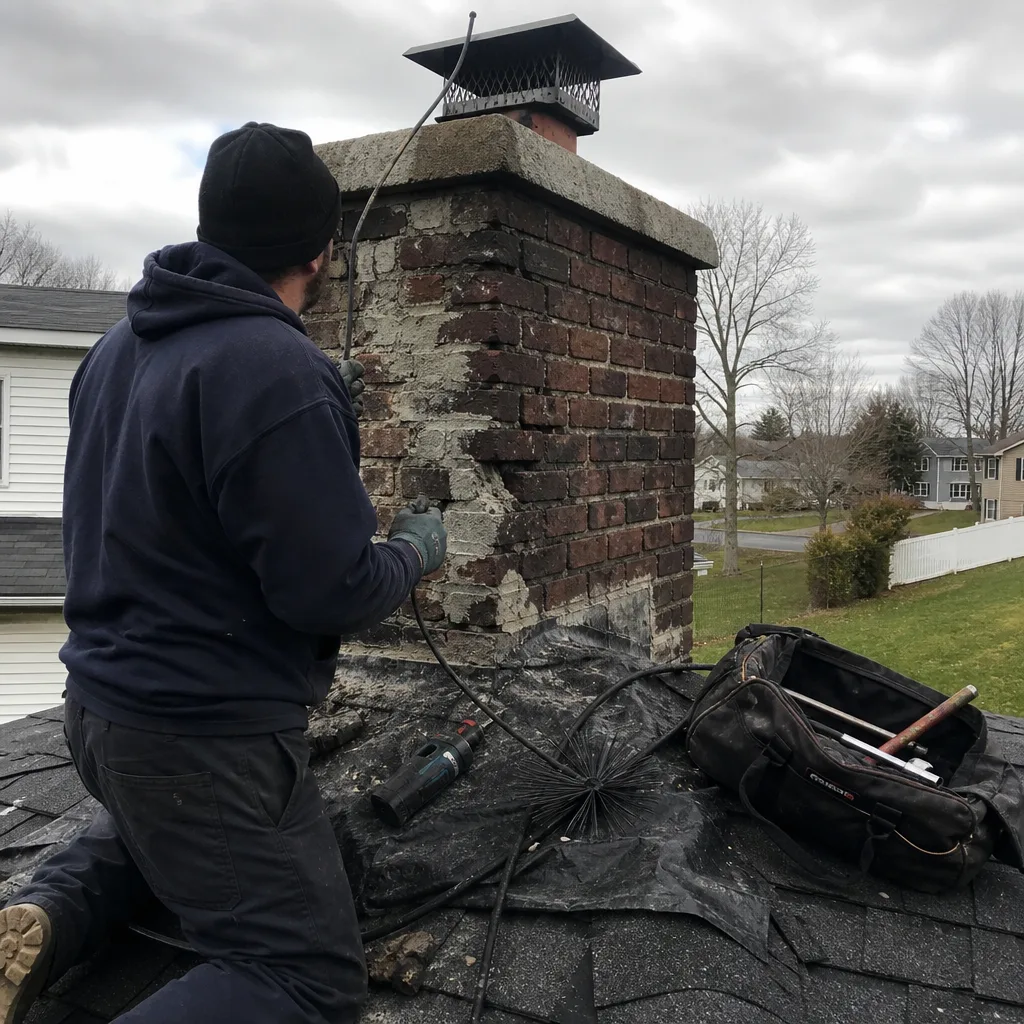 Before
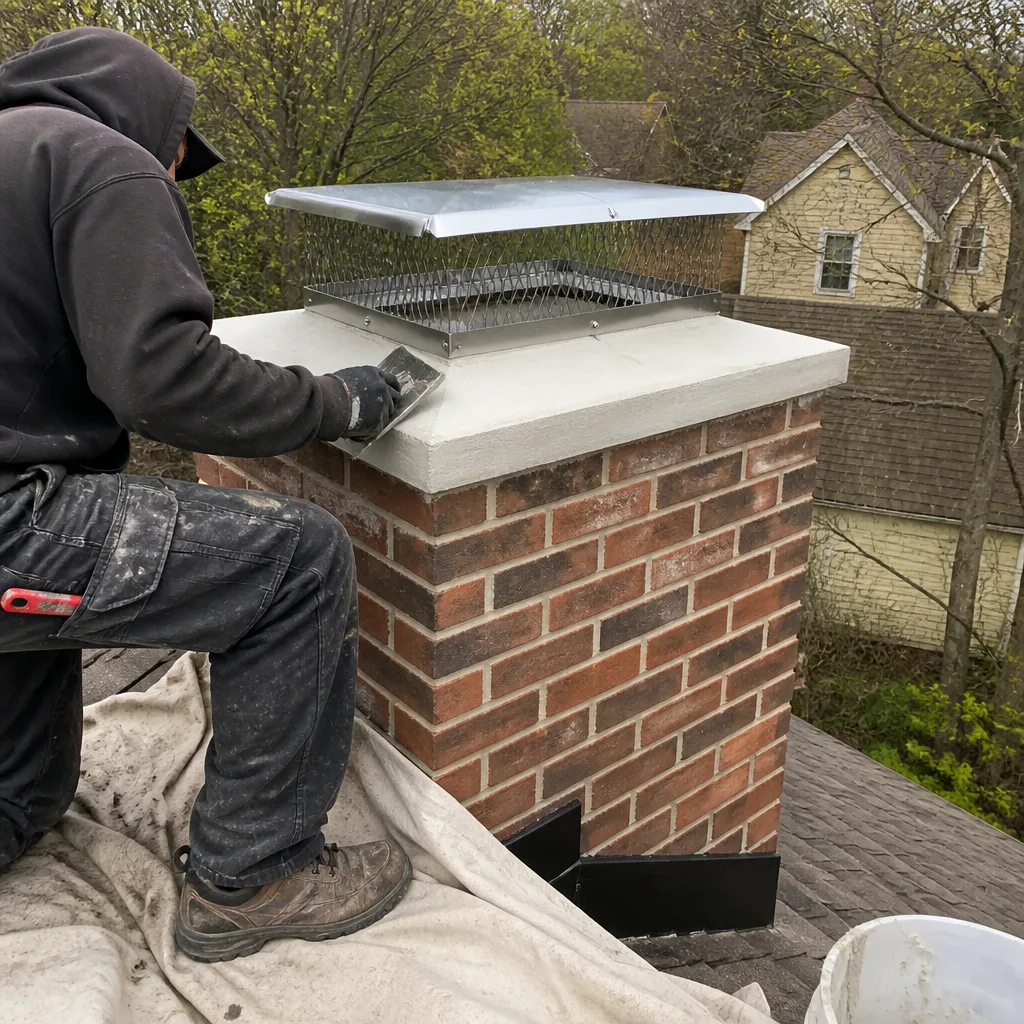 After
After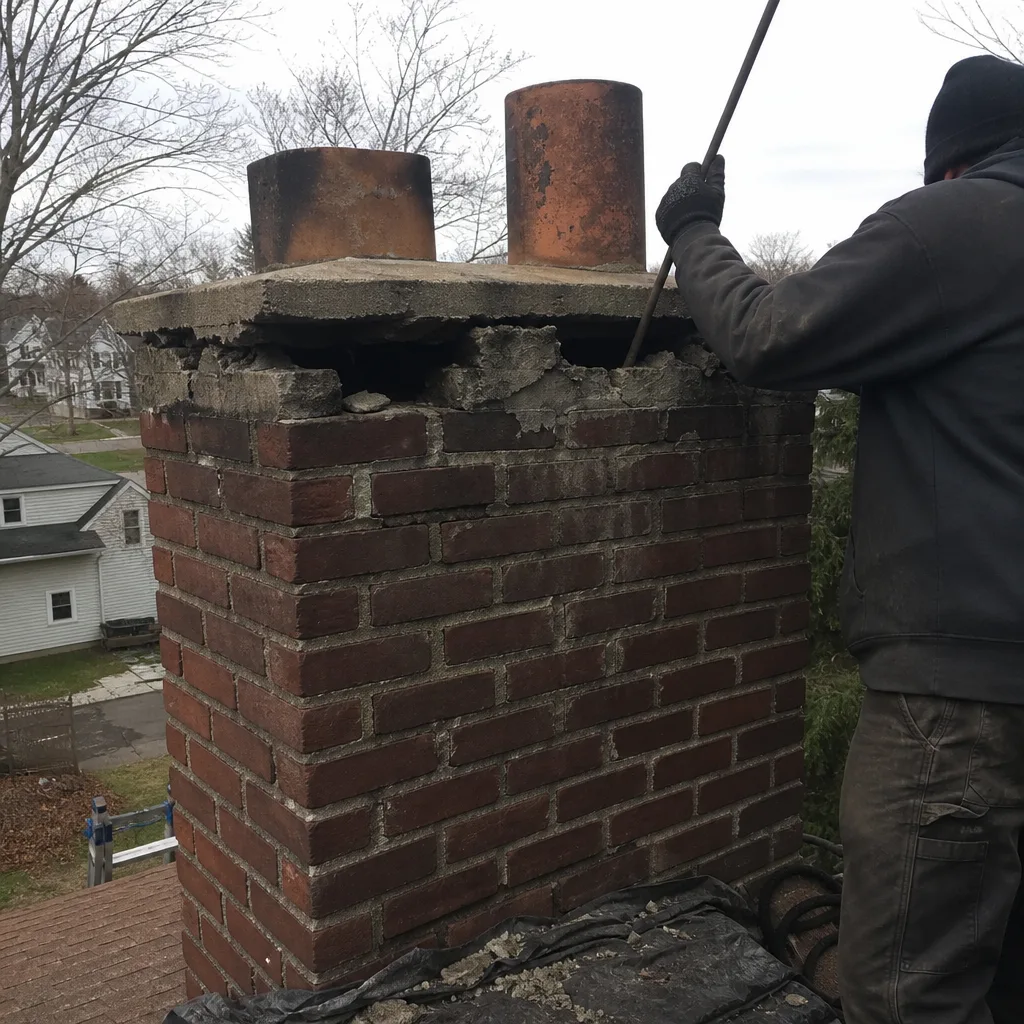 Before
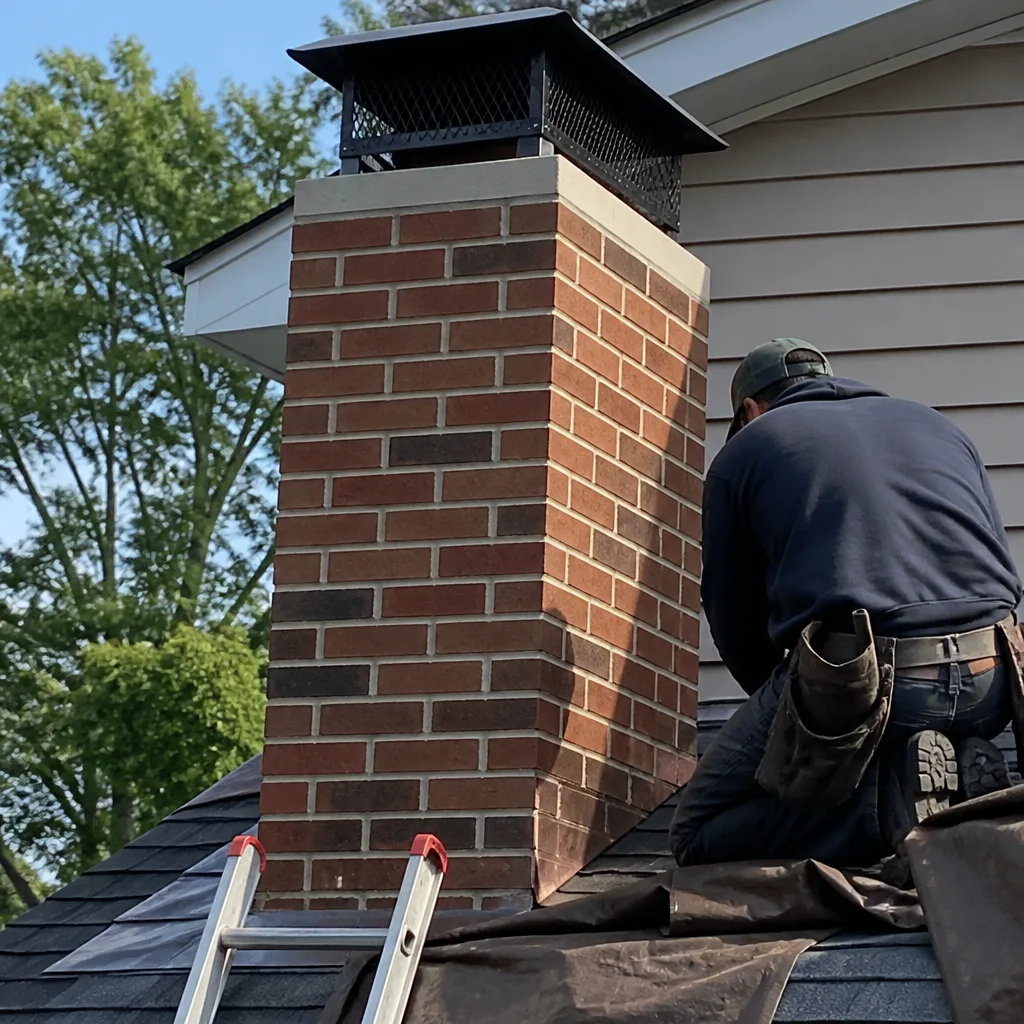 After
AfterChimney Cleaning & Sweep Maintenance Checklist for Bristol Homeowners
Most chimney maintenance checklists are written for the sweep, not the homeowner. They toss around words like “spalling” and “efflorescence” and “creosote stage three” without ever telling you what those things look like from your living room couch or your back patio in Bristol. That’s backwards. A checklist you can’t use from the ground, with your own eyes and nose, is just paper. This guide is the opposite. We’ll walk you through what to look at, what to smell, what to listen for during a burn, and what actually matters when a sweep hands you a report. By the end, you’ll know which items on your chimney are watch-and-wait, which ones mean don’t light a fire tonight, and which “repairs” you can safely table for a year or three without losing sleep.
Quick Answer
A chimney cleaning and maintenance checklist for Bristol homeowners comes down to this: have the flue swept once a year, burn or no burn, because chimneys break in the off-season too. For professional help, consider our Chimney Cleaning & Sweep services. Before lighting the first fire each fall, check the cap, crown, and damper from inside and out; during the season, listen for odd noises and watch for smoke backing into the room; after the season, close things up tight against Bristol’s wet spring months. If creosote buildup is more than 1/8 inch thick, or you smell anything like an old campfire inside the house, call a sweep before you burn again.
Table of Contents
- The Homeowner’s Room-by-Room Walkthrough
- Seasonal Checklist: Fall Startup and Spring Shutdown
- Three Signs From the Ground That the Cap or Crown Needs Attention
- How to Document Your Chimney’s Condition Year Over Year
- How to Read a Sweep’s Post-Job Report
- What Failure Actually Looks Like (and What to Do About It)
- Common Mistakes to Avoid
- When to Call a Professional
- Frequently Asked Questions
The Homeowner’s Room-by-Room Walkthrough
You don’t need a ladder to do most of this. You need ten minutes, a flashlight, and a willingness to pay attention to what your house is already telling you. Wendell has been doing this since 1999, and the chimneys he gets called to after a real problem are almost always ones where the warning signs were visible for months. The homeowner just didn’t know what counted as a warning sign.
Here’s the walkthrough we recommend for every home in Bristol, starting from the room where you actually burn the fire.
Step 1: Look at the Firebox and Hearth
- Shine a flashlight up into the firebox. You’re looking for anything that flaked off the walls above. Small black flakes are creosote. Small gray or tan flakes are likely pieces of the flue liner or masonry. Neither should be falling into your firebox in any real quantity.
- Check the damper plate. It should open fully and close fully without grinding. If it sticks or won’t seal, that’s a repair item, but usually not an emergency.
- Look for white, chalky residue on the firebox walls. That’s efflorescence, and it means water is getting into the masonry somewhere. Water is the slow killer of every chimney in Bristol. More on this in the section below on spring shutdown.
- Run your hand along the hearth in front of the fireplace. If you feel damp spots after a rain, water is coming down the flue or through the chase. Don’t wait on that one.
Step 2: Stand in the Room and Use Your Nose
This is the test nobody puts on a checklist, and it’s the one that tells you the most. On a humid day in Bristol, especially in August or after a long spring rain, walk into the room where your fireplace is and just breathe. Do you smell anything like an old campfire? A damp, smoky smell that shouldn’t be there? That’s creosote off-gassing through the damper, and it means the flue has enough buildup that it’s stinking up the house even when you haven’t burned in months. A cold chimney with heavy creosote smells exactly like a dead campfire. If that’s your living room, call a sweep. Your flue doesn’t care how the fire looks. It cares how it breathes, and so should you.
Step 3: Listen During a Burn
Next time you have a fire going, sit quietly for five minutes and listen. A healthy chimney makes a steady, low draft sound, like air being pulled through a pipe. That’s good. What you don’t want to hear is a rushing or roaring sound that gets louder and softer in waves. That can mean the draft is pulling too hard, or that creosote has narrowed the flue enough that air is fighting to get through. You also don’t want to hear popping or ticking from the chimney itself. That’s often the flue liner expanding and contracting against creosote deposits, or worse, a liner that’s cracked and shifting. Neither one is a “wait and see” item.
Seasonal Checklist: Fall Startup and Spring Shutdown
Bristol’s climate does specific things to chimneys. We get hard freezes in January, long damp stretches in April, and enough rain that water intrusion is the number one chimney problem we see, year after year. Your maintenance routine has to match that rhythm. Here’s the seasonal plan.
Fall Startup (September through early November)
- Schedule your sweep. Once a year, burn or no burn. The best time in Bristol is early fall, before burning season starts. Sweeps book out fast once the first cold snap hits, and you don’t want to be the person calling around in mid-November with a fireplace that smokes on the first burn.
- Do the visual walkthrough above. Firebox, damper, smell test. Ten minutes.
- Check the cap and crown from the ground. Binoculars help. The three specific signs to look for are in the next section.
- Test your carbon monoxide detector. This isn’t chimney maintenance in the traditional sense, but it’s the last line of defense if your flue is compromised. Press the test button. Change batteries. Do it the same day you schedule the sweep so you build the habit.
Spring Shutdown (April through May)
- Close the damper tight. A forgotten open damper lets warm, humid Bristol summer air rise up the flue and condense against the creosote, which is how you get that dead-campfire smell by August.
- Look for new efflorescence or staining after the spring rains. This is the single best time of year to catch water intrusion early, because the rain is consistent and the damage is visible.
- Check the exterior masonry. Walk the perimeter of your house and look at the chimney. New cracks, loose bricks, or a cap that looks crooked after the freeze-thaw season are all signs that water got in and froze over the winter.
- Call your sweep with questions. If you saw something during the burn season that seemed odd, or your smoke alarms were going off more than usual, don’t sit on it until October. Call in the spring when the schedule is wide open. A question is free.
Three Signs From the Ground That the Cap or Crown Needs Attention
You don’t need to climb onto your roof to know your chimney cap or crown is failing. You need to stand in your yard in Bristol and look up. Here are the three things we tell every homeowner to watch for.
Sign 1: The Cap Is Missing, Tilted, or Rusted Through
A missing cap is the chimney equivalent of leaving your front door open in a rainstorm. The cap keeps rain, snow, leaves, and animals out of the flue. If you can see daylight through rust holes in the cap from your yard, or the cap is sitting at an angle, it’s not doing its job. Raccoons and squirrels love an uncapped chimney in Bristol’s wooded neighborhoods, and a rusted cap is an open invitation.
Sign 2: The Crown Has Visible Cracks or Is Pulling Away From the Flue
The crown is the concrete slab that sits on top of the chimney, around the flue liner. From the ground, you’re looking for cracks wider than a quarter, or a gap between the crown and the flue liner itself. Small hairline cracks are normal as concrete ages, but once a crack opens up, water gets in, and Bristol’s freeze-thaw cycle turns a hairline crack into a structural problem over one or two winters. The crown should also shed water, not hold it. If you see puddling on top of the chimney after a rain, that’s a red flag.
Sign 3: There’s a Dark Stain or Green Moss Growing on the Brick Below the Crown
Water that gets under the crown or through the cap runs down the interior of the chimney. But water that runs over the crown and down the outside face leaves a signature: a dark, persistent stain, often with moss or algae on the shaded side of the chimney. In Bristol’s damp climate, moss on the north face of a chimney is so common people think it’s normal. It’s not. It means water has been running down that face for years, and the brick is slowly absorbing it.
If you see any of these three signs, document it with your phone camera and call for a professional opinion. The repair is usually straightforward when caught early. Left alone, a failed cap or crown means water in the flue, water in the firebox, and eventually a liner that needs replacing instead of a crown that needs patching.
How to Document Your Chimney’s Condition Year Over Year
Here’s the most useful chimney habit you can build, and it costs nothing. Every time you do the seasonal walkthrough, take the same six photos with your phone. Store them in a dedicated album on your phone or a notes app. Over two or three years, you’ll have a timeline that shows you exactly what’s changing, what’s stable, and what’s getting worse.
The six photos to take:
- The firebox, straight on, with the damper open. Include the back wall and both side walls.
- The damper plate, close up, from below.
- The hearth floor, showing the floor of the firebox and the first few inches of the hearth in front.
- The chimney from the ground, full height, from the street or your usual viewing spot.
- The cap and crown, zoomed in as far as your phone will go without losing clarity.
- The exterior brick face, whichever side faces the prevailing weather in Bristol (usually the north or west side).
Take these in the same order every time. When Wendell and his crew come to sweep, they’ll do the same thing with a professional camera that goes up the flue, and you’ll get that footage. But your own phone timeline is the thing that tells you, without any sales pitch, whether that crack in the crown was there last year or showed up this winter. It’s also the best documentation to have if you ever need to file an insurance claim. Insurance adjusters love a homeowner who can show them exactly when the damage appeared.
How to Read a Sweep’s Post-Job Report
After a professional cleaning, you should get a written report with photos. That’s not optional. The camera footage and a plain-English verdict, every time, no exceptions. But a report is only useful if you know which findings are urgent, which are advisory, and which are upsells dressed up as emergencies. Here’s how to sort them.
Urgent: Fix Before You Burn Again
- Third-degree creosote glaze. First-degree creosote is a brush job. Third-degree is a glaze, a hard, shiny, tar-like coating that a standard brush won’t remove. It’s a fire hazard and needs chemical treatment or mechanical removal before the next burn. Don’t burn with third-degree creosote in the flue.
- Cracked or collapsed flue liner. The liner is what keeps heat and combustion gases inside the flue and away from the wood framing of your house. A cracked liner is a carbon monoxide risk and a chimney fire risk. This is not negotiable.
- Blockages. Bird nests, squirrel debris, or a collapsed section of masonry blocking the flue. If the report says “blocked,” don’t burn until it’s cleared.
- Water actively entering the firebox. If there’s standing water or fresh water stains after a rain, the cap, crown, or flashing has failed and water is getting in. That’s a structural threat.
Advisory: Address Within the Next 12 Months
- Hairline cracks in the crown. These will get worse with each Bristol freeze-thaw cycle. They need sealing, but probably not this week.
- Mild to moderate creosote buildup (second degree). You just got it swept, so you’re fine for now. But if you’re burning wet wood or smoldering fires, it’ll come back fast. Change your burning habits.
- Damper plate that’s slightly warped or hard to operate. Replace it when it starts affecting your ability to close it tight in the off-season.
- Masonry that needs repointing in a section. Brickwork degrades slowly. Catch it before it becomes structural, but you have time.
Upsells You Can Usually Table
- Full chimney rebuild quoted off a single crack. Get a second opinion. Top Hat Chimney offers a free second opinion on any written estimate, and you should use that offer from whoever you call.
- Liner replacement quoted off a single spot of surface rust. Surface rust on a stainless liner is cosmetic. Holes and warping are structural. The camera footage should show you which one you have.
- Top-sealing damper on a chimney that already has a good cap and crown. Top-sealing dampers are great in the right application, usually on chimneys that aren’t used often and have persistent draft or smell issues. But if your cap and damper are already doing their jobs, it’s an upgrade, not a repair.
The rule we tell everyone in Bristol: if a report says “urgent,” ask to see the camera footage that proves it. If there’s no footage, get a second opinion. If there is footage and you can see the problem with your own eyes, fix it. No one should have to take a sweep’s word for a $4,000 repair when a camera can show them the exact crack.
What Failure Actually Looks Like (and What to Do About It)
Most checklists fail because they tell you what to check, not what it means when you find something. Here’s what failure actually looks like in your home, and what you should do about each one.
You See Smoke Backing Into the Room
This is the most obvious sign something is wrong, and it’s also the one people normalize the fastest. A properly drafting chimney pulls smoke up and out. If smoke rolls into the room when you light a fire, or when the wind gusts, the chimney is not drafting correctly. The most common causes in Bristol are creosote buildup narrowing the flue, a damper that’s not opening fully, or a cap that’s partially blocked by a nest. The fix is often a $200 sweep, not a $3,000 rebuild. But you won’t know until the camera goes up there.
You Smell That Dead Campfire Smell in August
We talked about this in the walkthrough, but it bears repeating because it’s the most reliable early warning you’ll get. A cold chimney that smells like an old campfire on a humid Bristol summer day is telling you the creosote load is heavy enough to off-gas through the damper. It’s not dangerous on its own, but it’s a countdown to the next chimney fire. Sweep it before fall.
You See Black Flakes or Debris Falling Into the Firebox When It Rains
This means water is running down the flue and scouring creosote off the walls. The black flakes are creosote that’s been loosened by water. The water itself is the problem. It’s coming through a failed cap, a cracked crown, or bad flashing. Fix the water entry point first, then sweep the flue. If you sweep first and don’t fix the water, the flakes come back next rain.
You Hear Animals in the Chimney
Scratching, chirping, or chattering from the chimney is almost always birds or squirrels. They get in through a missing or damaged cap. They bring nesting material, which is highly flammable, and they block the flue. Some of them, like chimney swifts, are protected by federal law and can’t be removed during nesting season. The fix is to wait until they leave, then cap the chimney properly. A chimney cap is a hundred-dollar insurance policy against a thousand-dollar animal removal problem.
Common Mistakes to Avoid
- Skipping the sweep because you didn’t burn much last winter. Chimneys break in the off-season too. Water, animals, and time don’t care how many fires you lit. Sweep once a year, burn or no burn.
- Burning wet or unseasoned wood. Burning wet wood in a Bristol winter is how you build creosote fast. Wood should be split and stacked for at least six months before you burn it. If you’re buying wood in October and burning it in November, you’re building a chimney fire, one log at a time.
- Assuming a stainless liner means you never have to sweep. Stainless liners resist corrosion, but they still collect creosote. A stainless liner with third-degree creosote is just as dangerous as a tile liner with the same buildup.
- Ignoring the smell test because “it’s always smelled like that.” It didn’t always smell like that, and it shouldn’t. The smell test is the cheapest diagnostic tool you have. Use it.
- Trusting a report without camera footage. If a sweep tells you the liner is cracked and quotes you $4,000 but won’t show you the crack on camera, ask them to leave. Every reputable chimney company in Bristol will show you the footage and explain it in plain English.
- Closing the damper while the fire is still smoldering. A smoldering fire is still producing carbon monoxide. The damper is the only exit. Wait until the fire is completely out and the embers are cold before you close it.
- Waiting until the first cold snap to call a sweep. The first freeze in Bristol sends everyone to the phone at the same time. Book in September or early October, and you’ll get your pick of appointments instead of waiting two weeks with a cold house.
When to Call a Professional
Call a sweep if you see smoke backing into the room, smell that dead campfire smell in the off-season, hear animals in the flue, or haven’t had the chimney swept in more than a year. Call sooner if you see water stains in the firebox or black flakes falling after rain. If a prior sweep’s report flagged a cracked liner or third-degree creosote and you haven’t addressed it, don’t light another fire until it’s fixed. Top Hat Chimney offers free estimates in Bristol, and Wendell will show you the camera footage and tell you in plain English whether the work needs doing. Call (860) 743-7743 and talk to a live person, any time of day or night.
Frequently Asked Questions
A standard chimney cleaning and sweep in Bristol typically runs $160 to $300, depending on the condition of the flue, how long it’s been since the last cleaning, and whether there are any blockages to clear. Top Hat Chimney delivers upfront pricing before a single tool comes off the truck, so the number you hear on the phone is the number on the invoice. Call (860) 743-7743 for an exact quote. Estimates are free.
Once a year, burn or no burn. That’s the rule we’ve followed in Bristol since 1999, and it’s the rule that catches problems before they become emergencies. Even if you only lit three fires last winter, your chimney has been sitting through a wet Bristol spring and a humid summer, and that’s when water damage, animal intrusion, and creosote off-gassing happen. Yearly is not optional.
You need a new liner if the camera footage shows cracks, gaps, or holes in the current one. You don’t need a new liner just because a sweep says so without showing you the proof. A cracked liner is a carbon monoxide risk and a chimney fire risk, so when the damage is real, you fix it. When the evidence isn’t there, get a second opinion. Top Hat Chimney offers free second opinions on any written chimney estimate in Bristol.
Creosote builds up, and creosote is fuel. Once it reaches about 1/8 inch of thickness, it’s enough to sustain a chimney fire, and chimney fires crack liners, warp caps, and can spread to the roof structure. Even if you never have a fire, skipping the sweep means you miss the water damage, the animal nests, and the small cracks that turn into big repairs. Skipping the sweep is the most expensive way to save $200.
Yes. A cold chimney that smells like an old campfire on a humid Bristol day means the creosote load is heavy enough to off-gas through the damper. It’s not an emergency, but it’s a clear signal that the flue needs cleaning before the next burn season. The fix is a sweep, and it’s a lot more pleasant than a chimney fire.
You can inspect the firebox, damper, and hearth from inside, and you can inspect the cap, crown, and exterior masonry from the ground with binoculars. What you can’t inspect is the flue liner itself, which is where the most dangerous problems hide. That’s why the camera inspection is the most important part of the yearly sweep. For a full overview, see The Complete Guide to Chimney Cleaning in Bristol. You’ll get the footage and a plain-English verdict every time.
The Bottom Line
Your chimney is a fire-breathing hole in the roof of your Bristol home, and it needs one thing from you: a yearly look. Sweep it once a year, burn or no burn. Do the seasonal walkthroughs in fall and spring. Document what you see with your phone. And when a sweep hands you a report, demand the camera footage and make them explain it until you understand exactly what’s wrong and what can wait. Most chimney problems are cheap to fix early and expensive to fix late. Browse our more guides & resources to stay ahead of costly repairs. The difference is usually just a few minutes of looking at what’s already in front of you.
Written by Wendell Pike, Owner at Top Hat Chimney, serving Bristol since 1999.