
Level 1 sweep and inspection to the NFPA 211 annual standard - flue, crown, cap, and flashing checked and photographed
Chimney sweep logs do not sweep chimneys. They loosen some creosote - which then falls where a brush and vacuum still have to collect it.
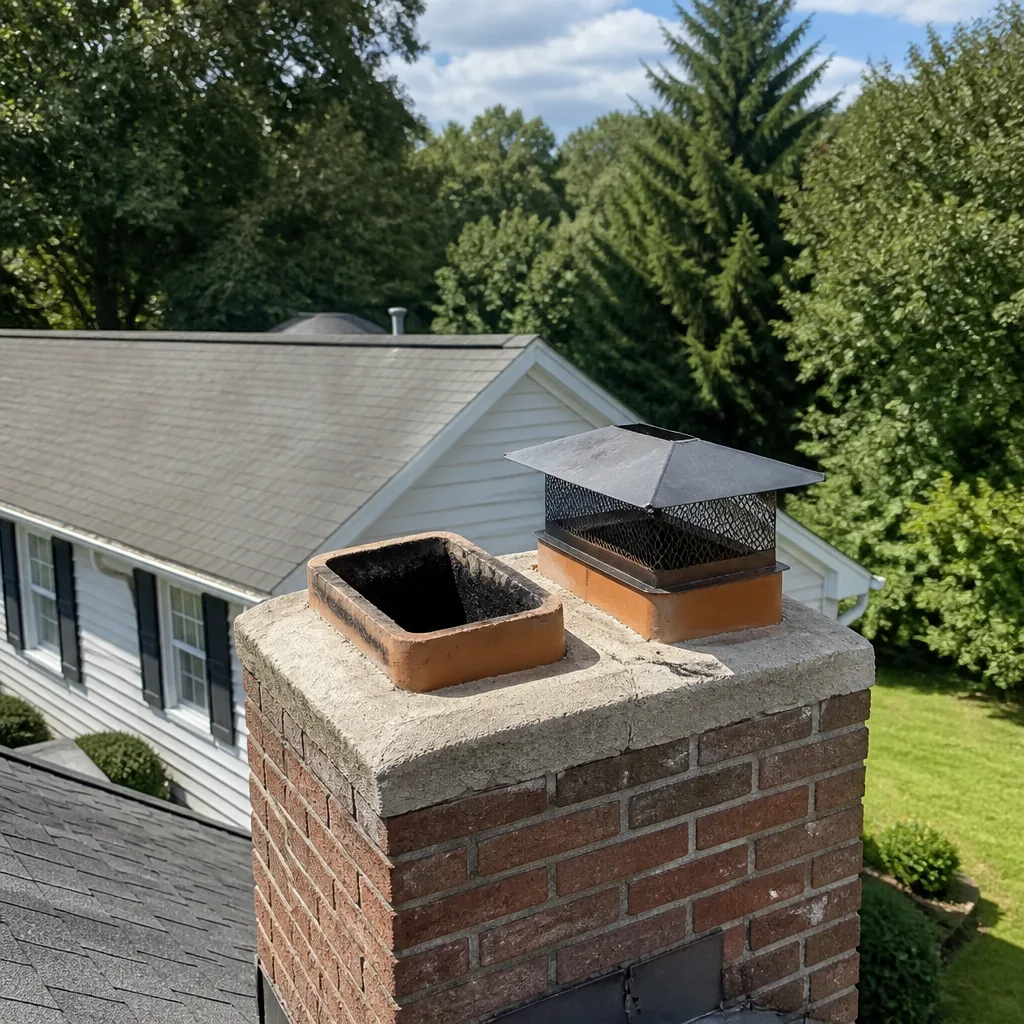
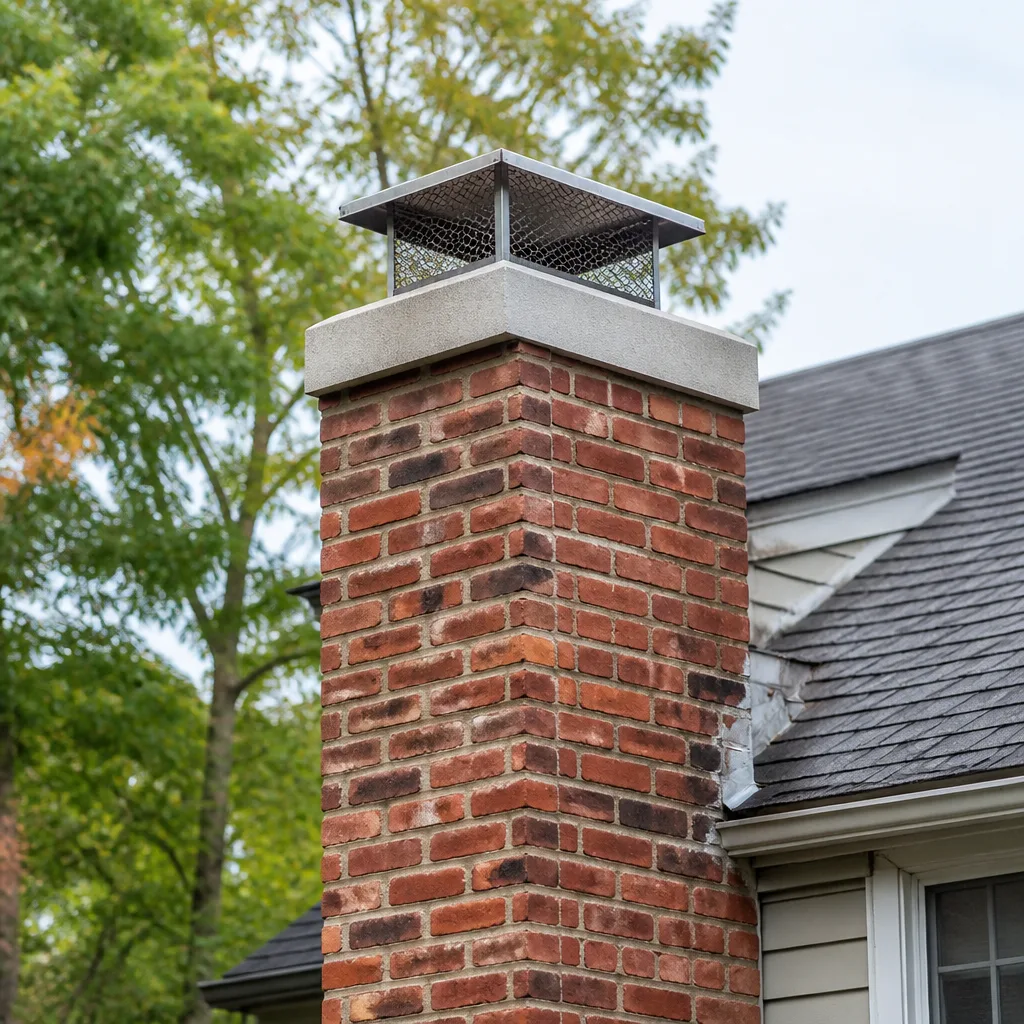
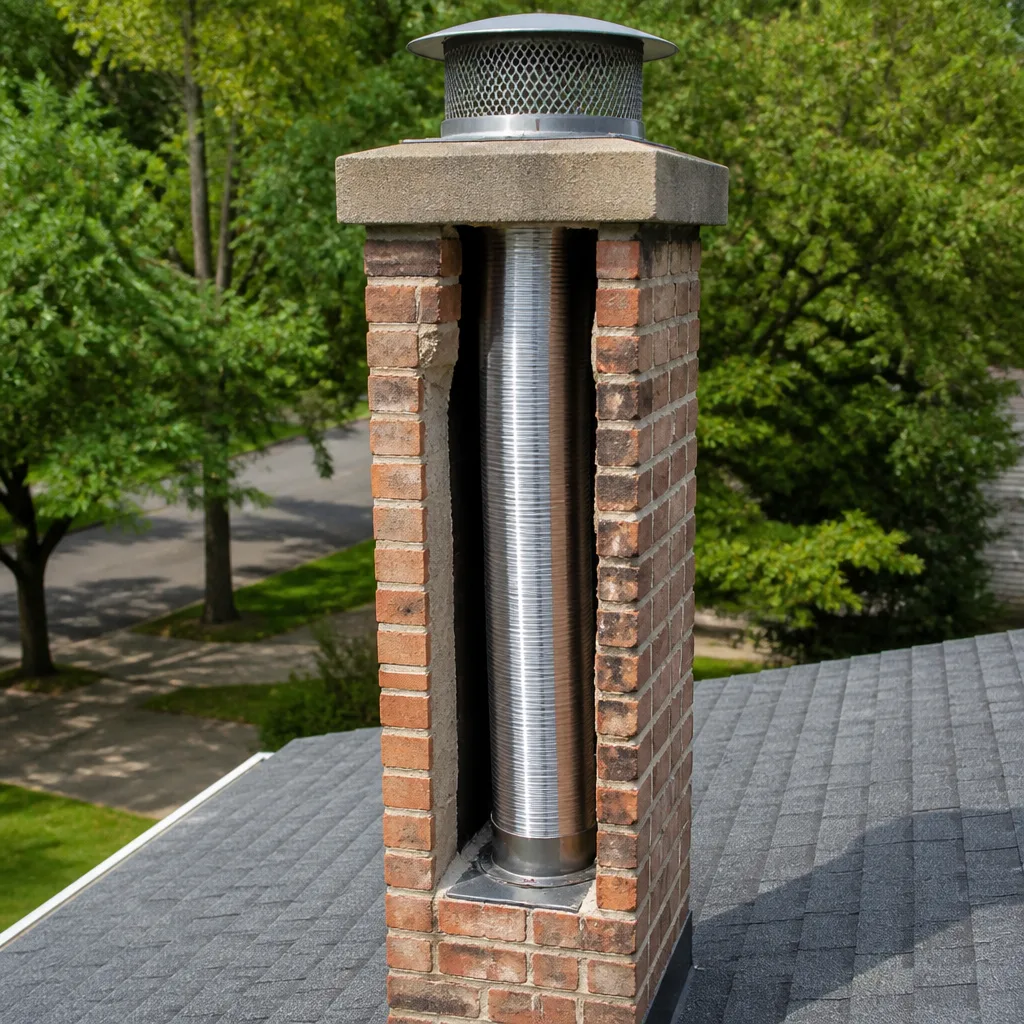
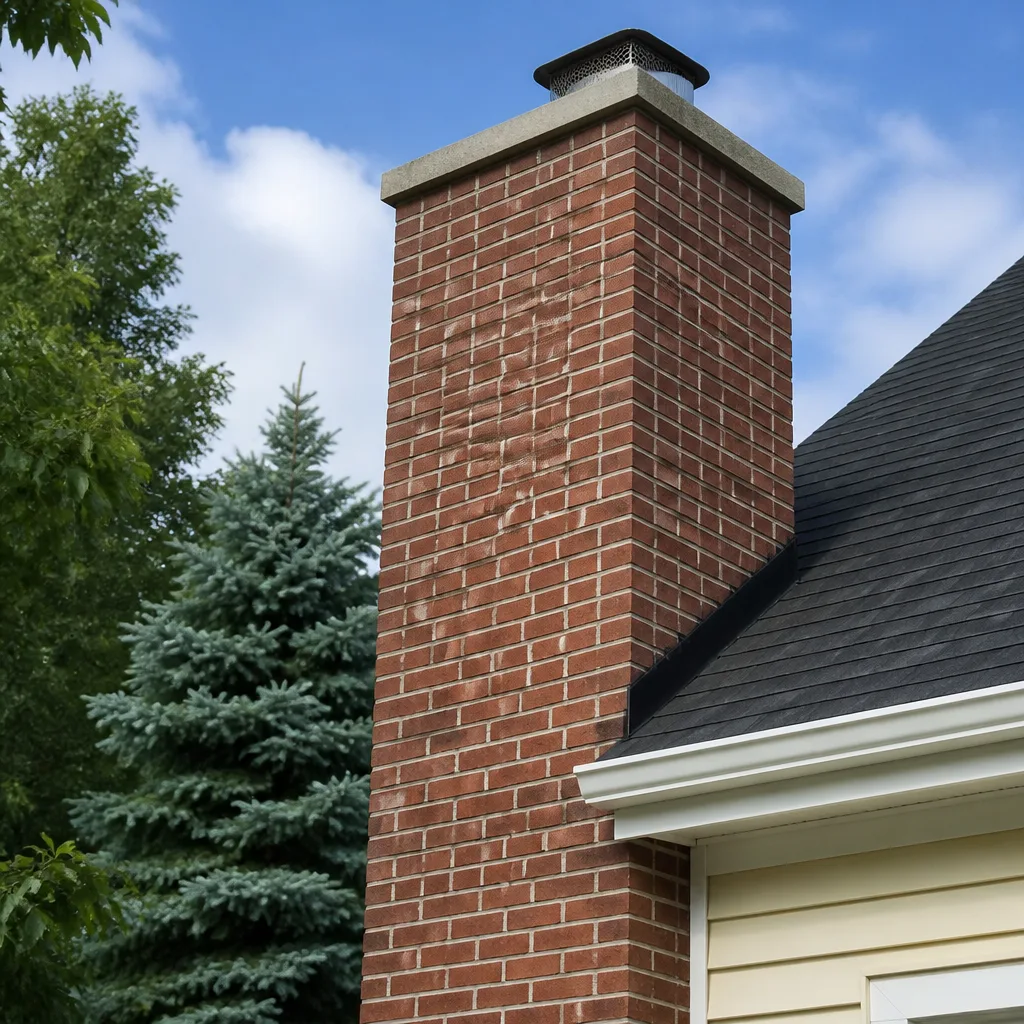
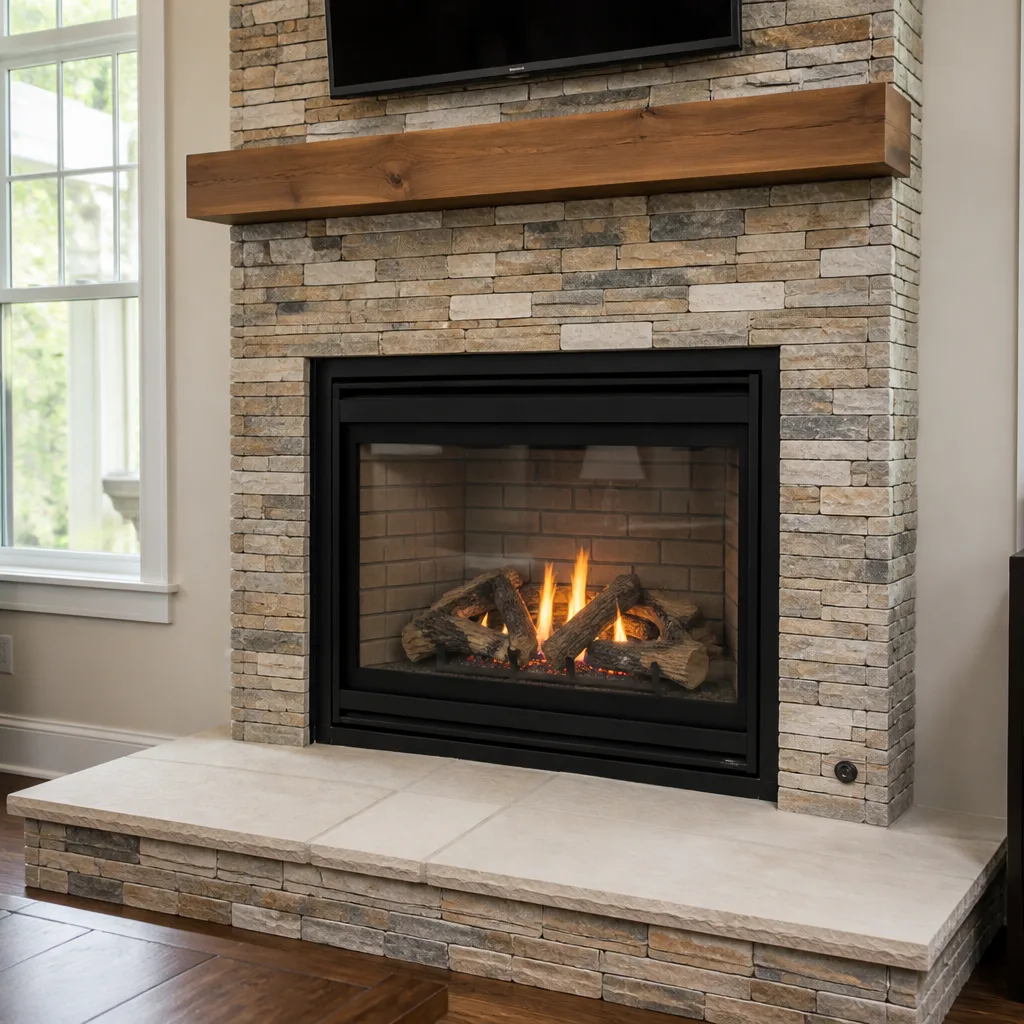
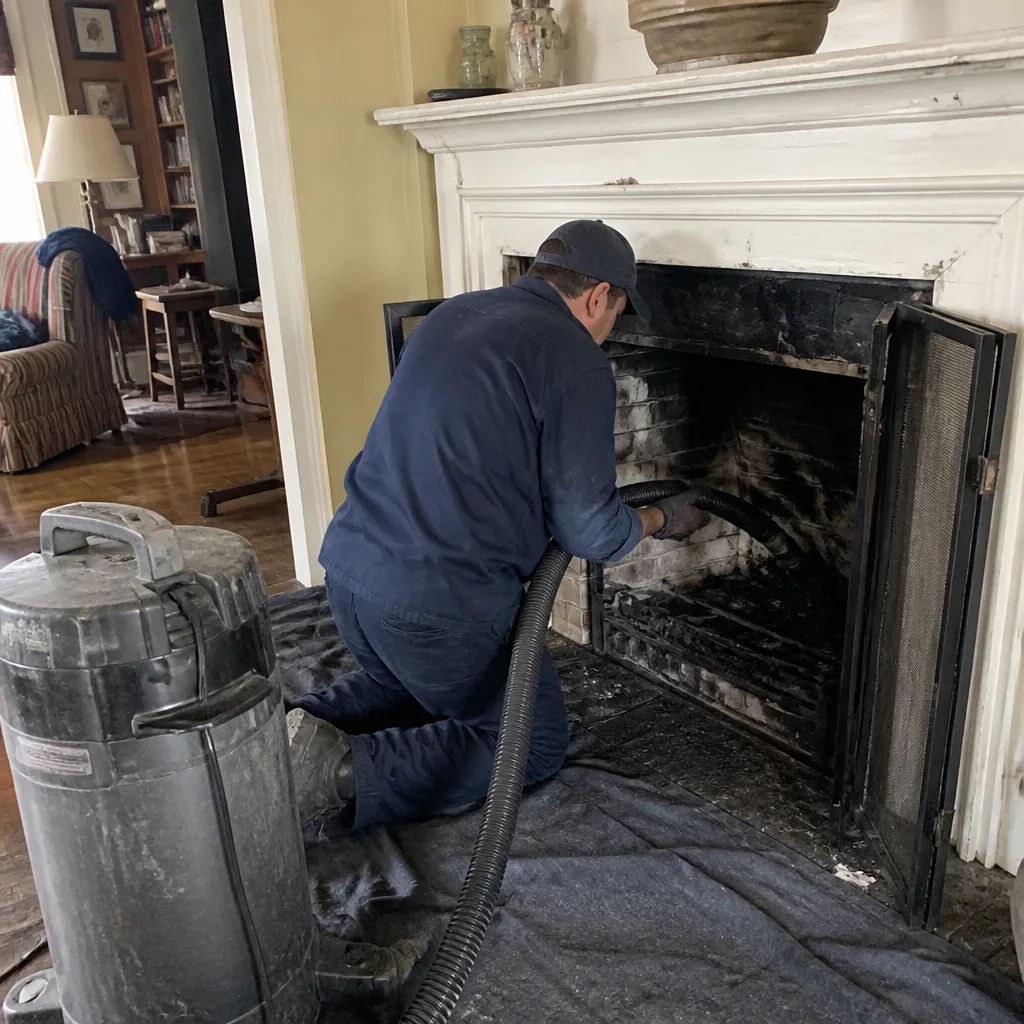 Before
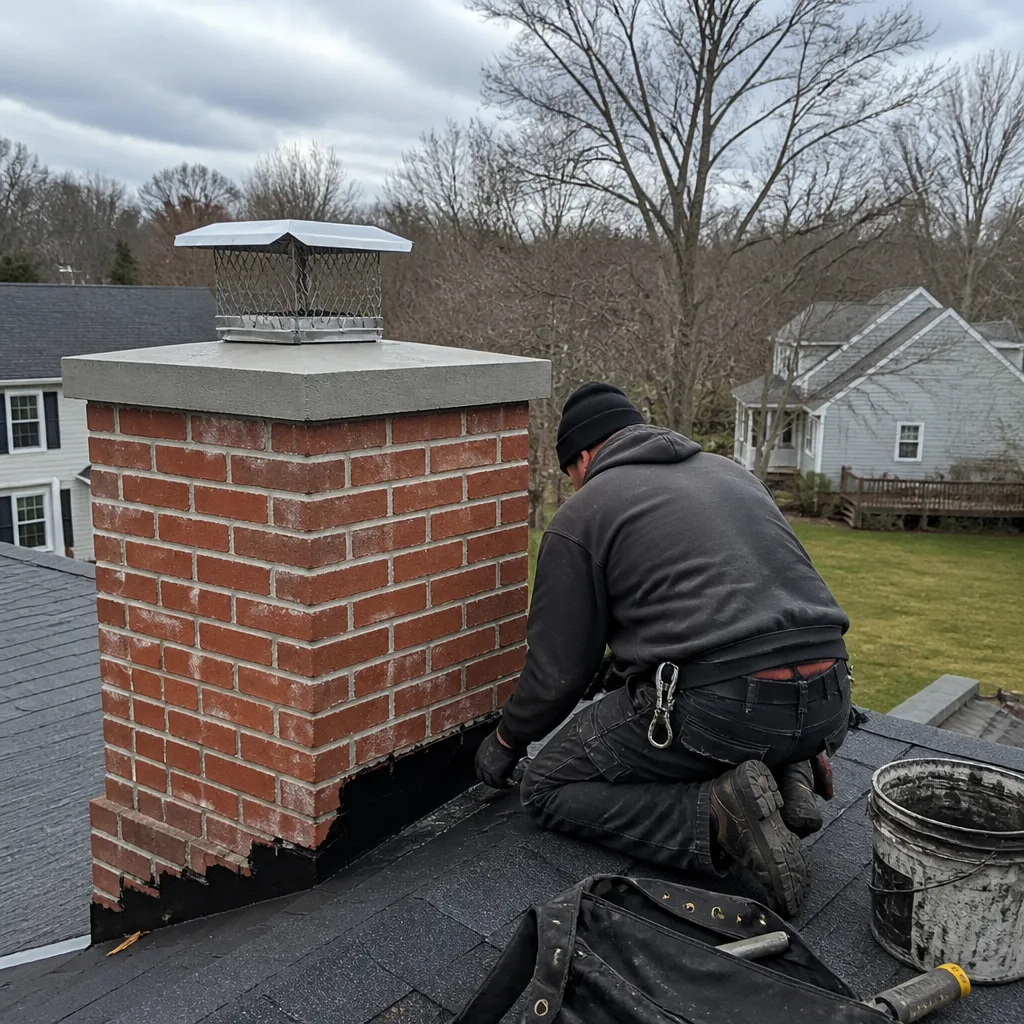 After
After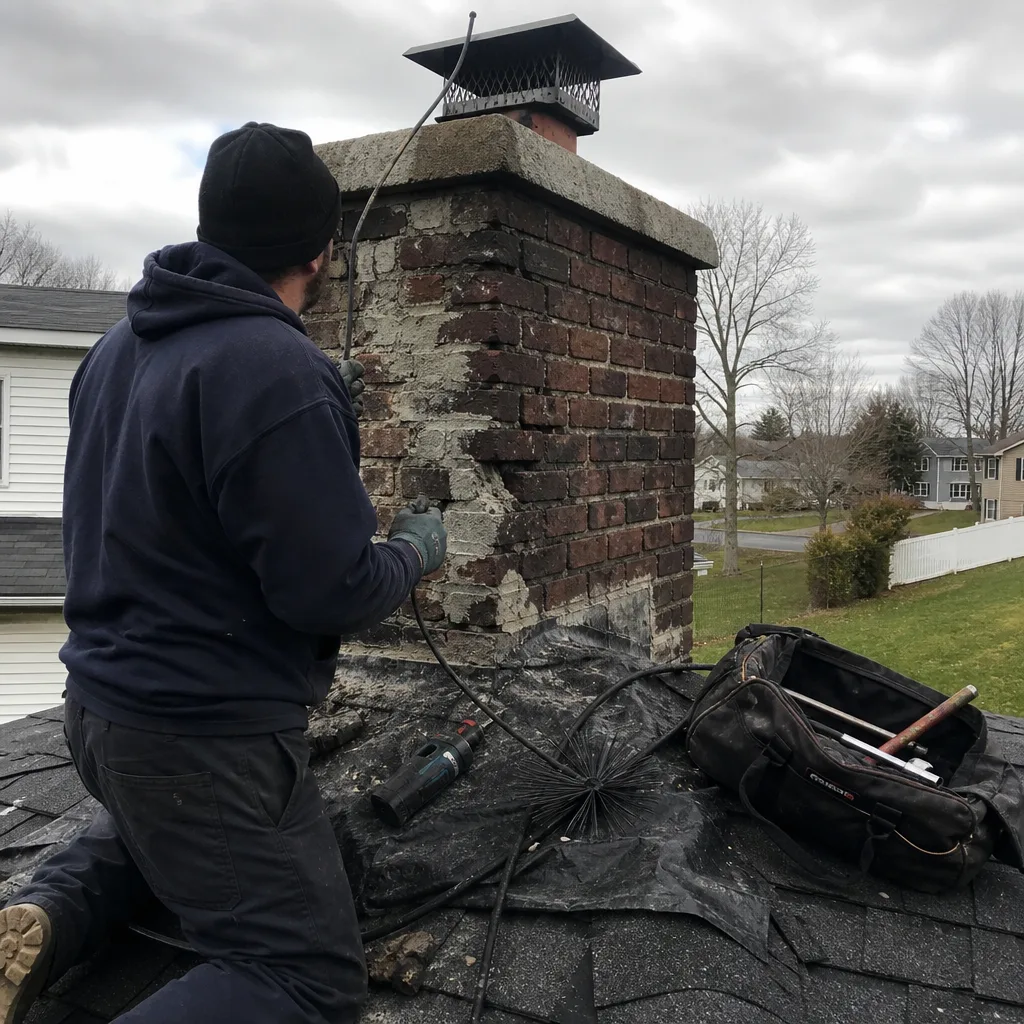 Before
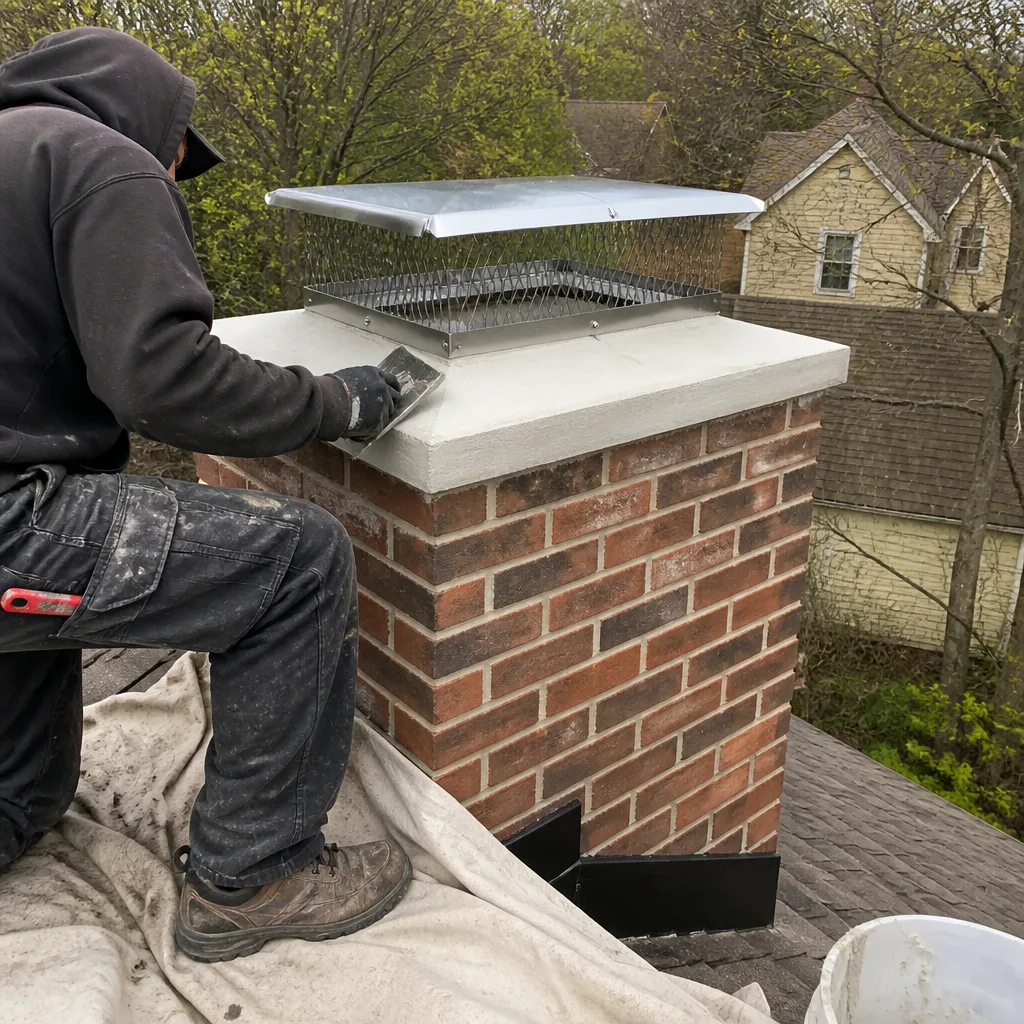 After
After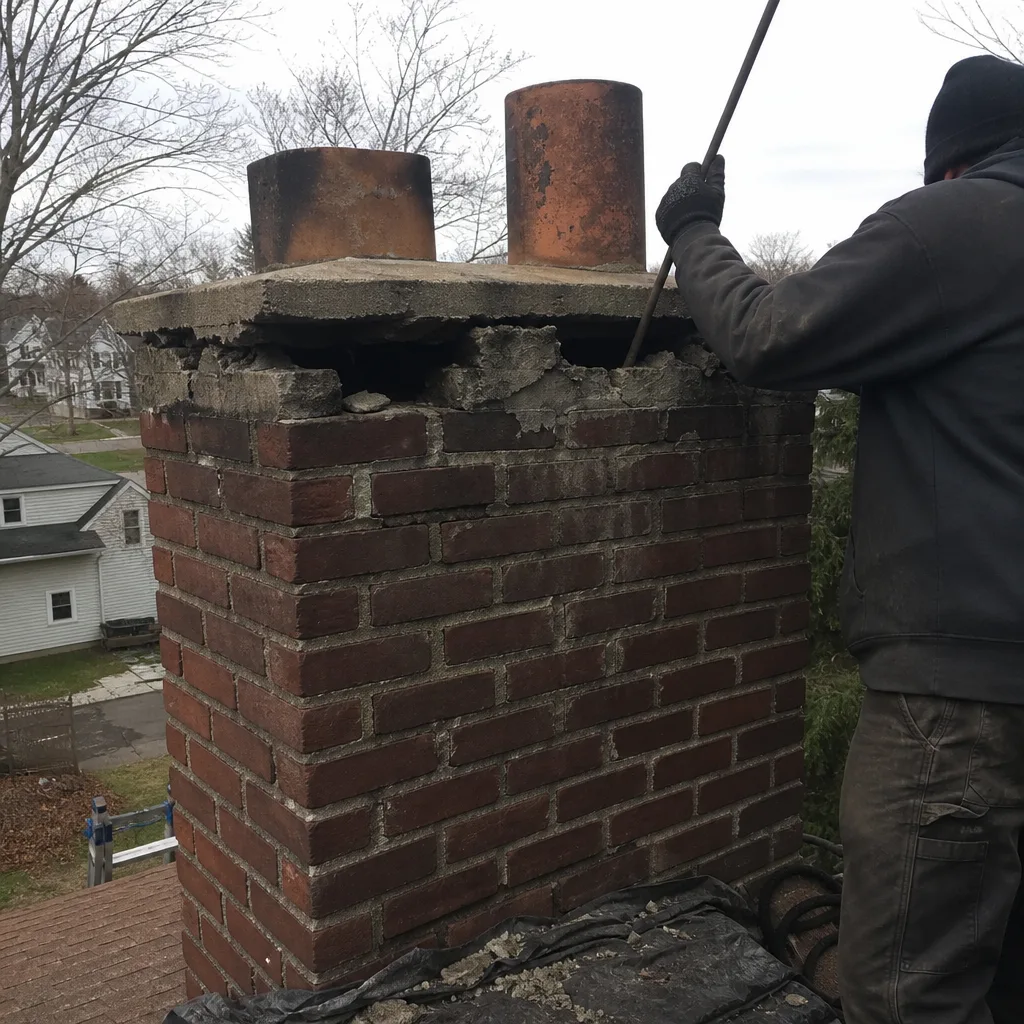 Before
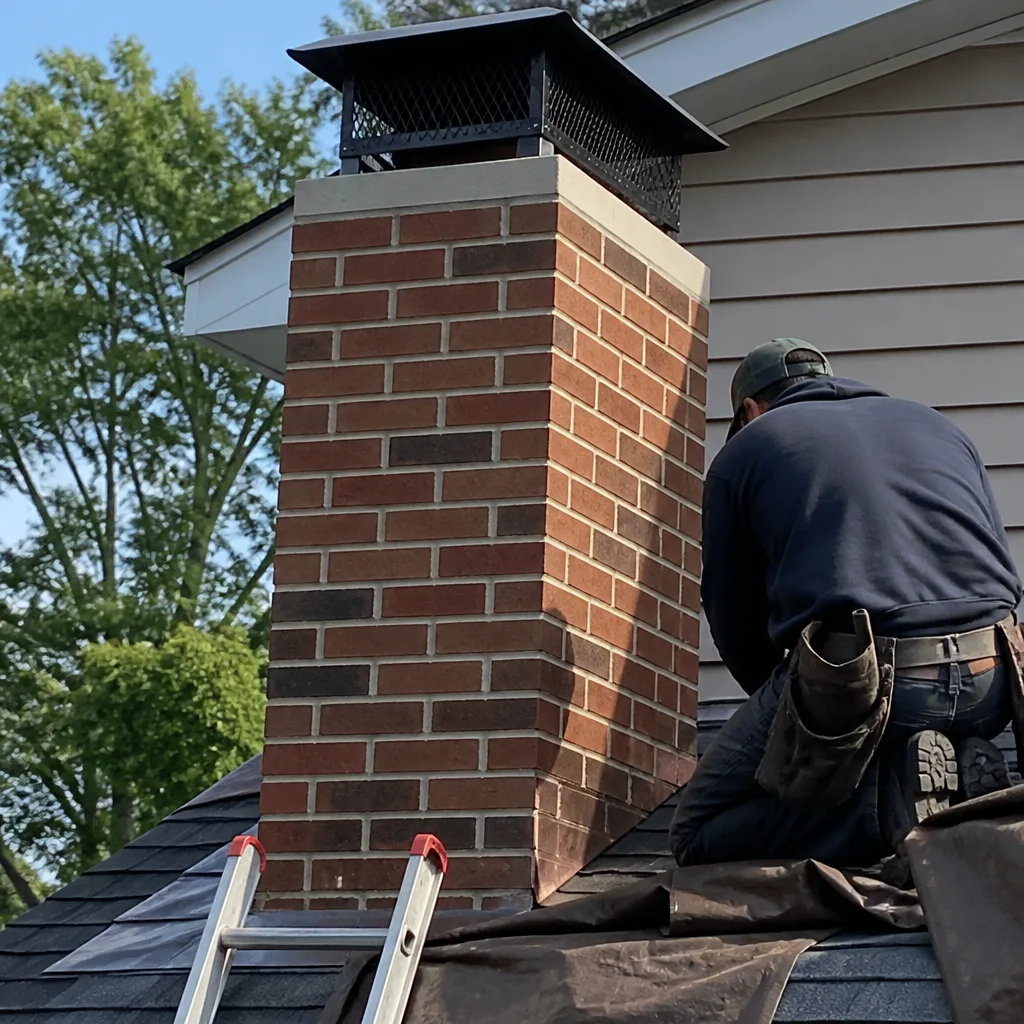 After
AfterGelco Chimney Liner & Rebuild in Bristol: What to Know First
We rebuild and reline Gelco chimneys all over Bristol, and the short answer is this: most Gelco liner jobs take us one day, run between $1,400 and $3,200 depending on flue size and access, and we’ll give you an upfront price before any tools come off the truck. We’re an independent Gelco service provider, not a factory warranty shop, which means we call it like we see it and use what actually works for your chimney, not what a national contract tells us to push. If you own a Gelco system in Bristol and the liner is failing, you’ll want to read this page before you make any decisions.
Call (860) 743-7743 and you’ll get a live person, likely Wendell himself. If it needs doing, we’ll tell you straight. If it doesn’t, we’ll tell you that too.
Key Takeaways
- Gelco stainless liners typically last 12 to 20 years in Bristol’s climate, but flexible liners installed before 2010 tend to degrade faster near the steel supports.
- We carry both OEM Gelco components and quality aftermarket equivalents, and we’ll tell you which one your chimney actually needs.
- Every Gelco rebuild we complete is backed by our 90-Day Done Right Promise in writing.
- Free estimates. No trip charge inside our service county. $40 off any repair over $200.
How Gelco Products Fail - and How We Fix Them
Gelco makes a decent liner. But decent doesn’t mean forever, and in Bristol we see certain failure patterns more than others. Here’s what we actually find when we get up on the roof or down into the firebox:
- Gelco Flexible Liner (early 2000s installations): seam pitting at the corrugation low points. These liners were popular in Bristol ranch homes built in the 80s and 90s. The problem is that fine ash settles into the corrugation valleys, absorbs moisture during humid summers, and holds it against the steel. Over 15 years, that produces pinhole leaks right at the lowest points of the flex. We see this all the time on homes near Lake Compounce, where the lake air adds enough moisture to speed it up. The fix is a full reline with a properly insulated rigid liner or a heavy-wall 316Ti flex replacement rated for wood and pellet use.
- Gelco Smooth-Wall Rigid Liner: creosote glaze bonding at the liner joints. The rigid Gelco liner itself holds up fine. It’s the joints where trouble starts. On wood-burning fireplaces that aren’t swept often enough, first-degree creosote turns to third-degree glaze, and that glaze welds itself to the joint hardware. When we try to remove a section for repair, the joint binding can distort the liner. Our fix is a chemical creosote treatment first, then deliberate mechanical removal, then replacement of the joint clamps with heavier stainless hardware.
- Gelco liner-to-tee connections: leakage at the thimble. The tee where the liner meets the appliance connector is the most common leak point we fix in Bristol. It shows up as water staining around the cleanout at the base of the flue. The real cause is usually installer error from the original job, not a material flaw, but the result is the same: degraded mortar behind the thimble and rust forming on the liner exterior. We pull the thimble, refit the tee with a proper high-temp gasket, and repoint the surrounding masonry.
- Gelco liners in chimneys with no insulation wrap: rapid deterioration near the flue offset. If a Gelco liner was pulled without an insulation blanket, the outside skin of the liner cools too fast on column tops in a Bristol January. That temperature differential creates condensation on the liner’s outer wall, and that condensation carries acids from combustion. The liner pits from the outside in. By the time the homeowner sees the problem, the liner looks fine from the inside, which is why we always run a camera before we quote anything. The fix is a new liner installed with proper insulation wrap, which also brings the installation up to current code.
- Gelco Direct-Vent Liners in vertical runs over 20 feet: joint separation from thermal cycling. Longer runs in two-story Bristol colonials flex more than you’d think. Every heating cycle makes the liner expand; every shutoff lets it contract. Over years, the slip joints on direct-vent Gelco liners can separate by an eighth of an inch or more. The furnace still runs, but flue gases now leak into the chase. We see this in homes all along Old Turnpike Road where the original fireplace was converted to gas. The fix is joint reinforcement and realignment, or a full repipe if the liner has sagged.
Our Gelco Chimney Liner & Rebuild Process
Here’s how a typical Gelco liner or rebuild job goes with us, from the first phone call to the final test:
- 1
You call. A live person answers. You describe the problem. We schedule a time, give you a real arrival window, and we’ll call if anything slips.
- 2
We inspect. Wendell or one of his crew shows up in uniform, runs the camera the whole length of the flue, and takes photos of what he finds. You see the footage. You get a plain-English verdict.
- 3
We decide on parts. If a Gelco liner needs replacing, we’ll show you the exact damage and tell you whether OEM Gelco components are worth the cost or whether a heavy-wall DuraFlex or HeatShield liner will do the same job for less. We don’t mark up parts. You’ll see the difference in the quote.
- 4
We do the work. Old liner out, flue prepared, new liner in with proper insulation. If a rebuild is needed, we do the masonry with the same care, crown included.
- 5
We test and document. Draft test, leak check, combustion check. You get photos of every step.
- 6
We leave it right. Clean worksite, no drop cloths left behind, and a written 90-Day Done Right Promise. One call brings us back if anything isn’t right.
What Gelco Chimney Liner & Rebuild Costs in Bristol
Here’s what Gelco work typically costs around Bristol. These are the numbers we quote on site, not the national average you’ll find on a generic website:
| Job | Typical Range in Bristol CT |
|---|---|
| Gelco flexible liner replacement, single-story flue, no rebuild needed | $1,400 – $1,900 |
| Gelco rigid liner replacement, two-story flue with insulation wrap | $2,100 – $2,800 |
| Partial chimney rebuild with new Gelco liner (top 15-20 courses and crown) | $2,600 – $3,800 |
| Full chimney rebuild from roofline up, including new liner and cap | $4,000 – $6,500 |
What moves the price: access to the roof, flue height, whether the old liner breaks up during extraction, and whether we find hidden masonry damage behind the liner. We’ll quote you a fixed number before any work starts. The number you hear on the phone is the number on the invoice. Call (860) 743-7743 for a free estimate. Standing offer: $40 off any repair over $200. Seniors and veterans always get 10% off.
Why Bristol Homeowners Call Top Hat Chimney for Gelco Work
We’ve been doing this in Bristol since 1999. That’s over two and a half decades of walking roofs, running cameras, and telling homeowners on Chippens Hill what they need to hear, not what they want to hear. Gelco liners are only as good as the sweep who installs them. Put a decent liner in a badly prepared flue and you’ve got a five-year product doing a three-year job.
We work with Gelco, yes. But we also stock and install DuraFlex and HeatShield liners, so if a Gelco part is on backorder or overpriced for what it is, we’ll show you the alternative and explain exactly what you’re trading. That’s the difference between an owner-operated local shop and a national outfit with a quota to hit. Wendell Pike puts his name on the work. He’ll run into you again on Saturday at the hardware store. That changes the math.
FAQs
Not usually. If the existing flue is structurally sound and the right diameter, we can pull the old liner and install a new Gelco or aftermarket liner without rebuilding anything. If the masonry is crumbling or the flue has shifted, then a partial or full rebuild is the call. We’ll show you the camera footage first, and you’ll see exactly why we’re recommending what we’re recommending.
We repair Gelco liners when the damage is limited to the joints, the tee connection, or a short section we can access without destabilizing the rest. If there’s pitting along more than a few feet of the liner body, repair is throwing good money after bad. For a free camera inspection and an honest read on repair vs. replace, call (860) 743-7743.
Most single-story Gelco liner replacements take one working day. A two-story job with a rebuild component takes two to three days depending on weather and masonry curing time. We’ll give you a straight schedule before we start, and we’ll call if it slips. You won’t be chasing a voicemail box wondering where we are.
No. Gelco’s warranty covers the product, not the installation. We’re an independent Gelco service provider, which means we’re not authorized by the manufacturer, but replacing a liner with a compatible product doesn’t void anything the manufacturer already declined to cover anyway. Most Gelco liner failures we see in Bristol are past the warranty window regardless.
Once a year, burn or no burn. Chimneys break in the off-season too. A five-minute camera inspection catches liner pitting and joint separation before they become a firebox full of water or a carbon monoxide problem. Cost is less than a dinner out. Call (860) 743-7743 to schedule. A live person answers, day or night.
If your Gelco chimney needs work and you want a straight answer instead of a sales pitch, call us at (860) 743-7743. Free estimates, no pressure, and we’ll send you the camera footage before we ever quote a number.
Written by Wendell Pike, Owner, Top Hat Chimney at Top Hat Chimney, serving Bristol and nearby areas.