
Last updated September 10, 2026
Level 1 sweep and inspection to the NFPA 211 annual standard - flue, crown, cap, and flashing checked and photographed
Chimney sweep logs do not sweep chimneys. They loosen some creosote - which then falls where a brush and vacuum still have to collect it.
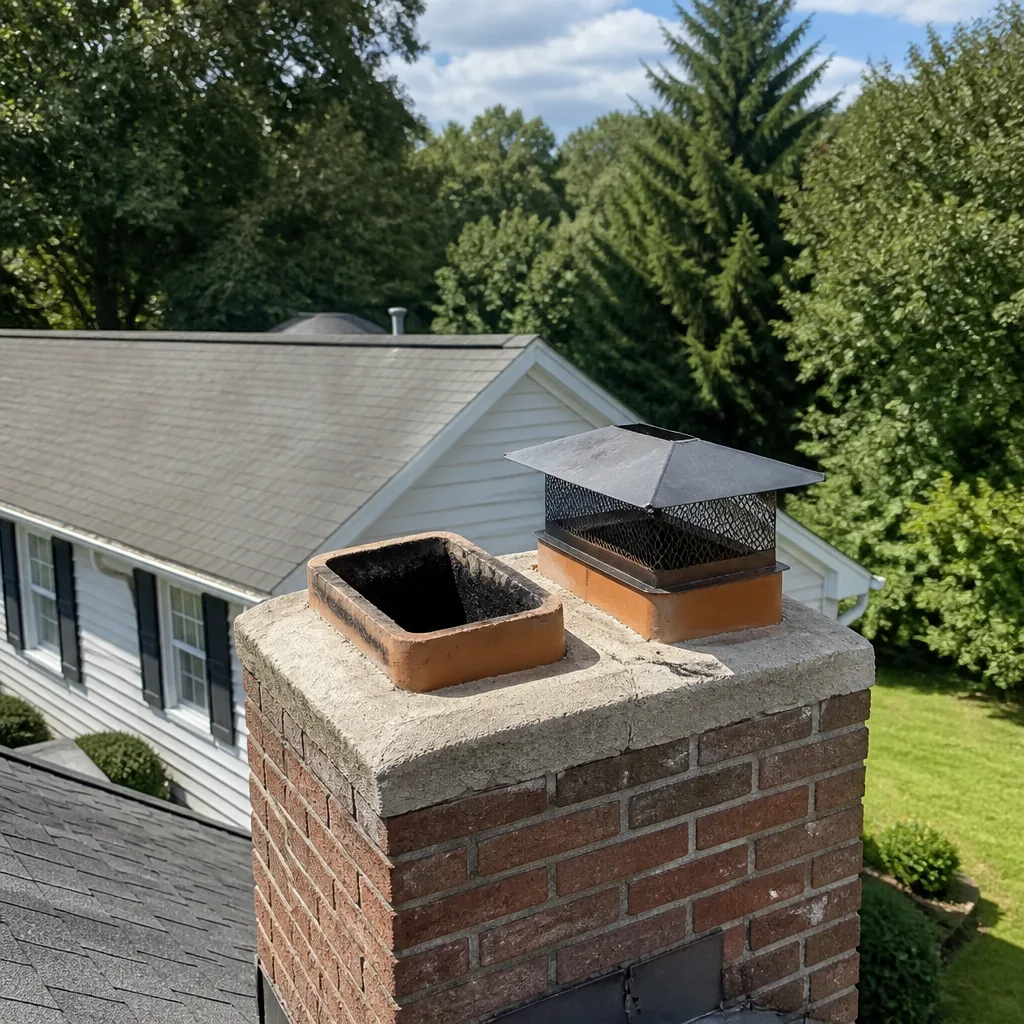
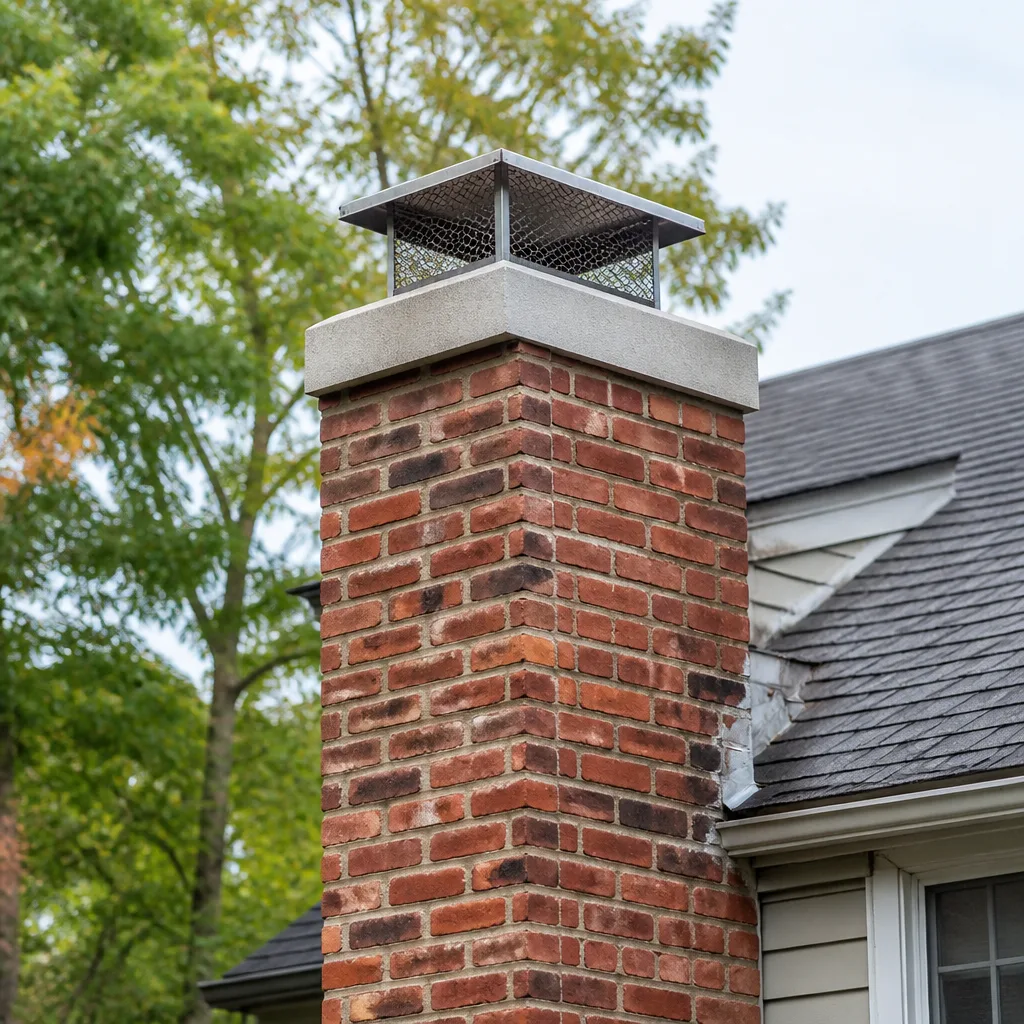
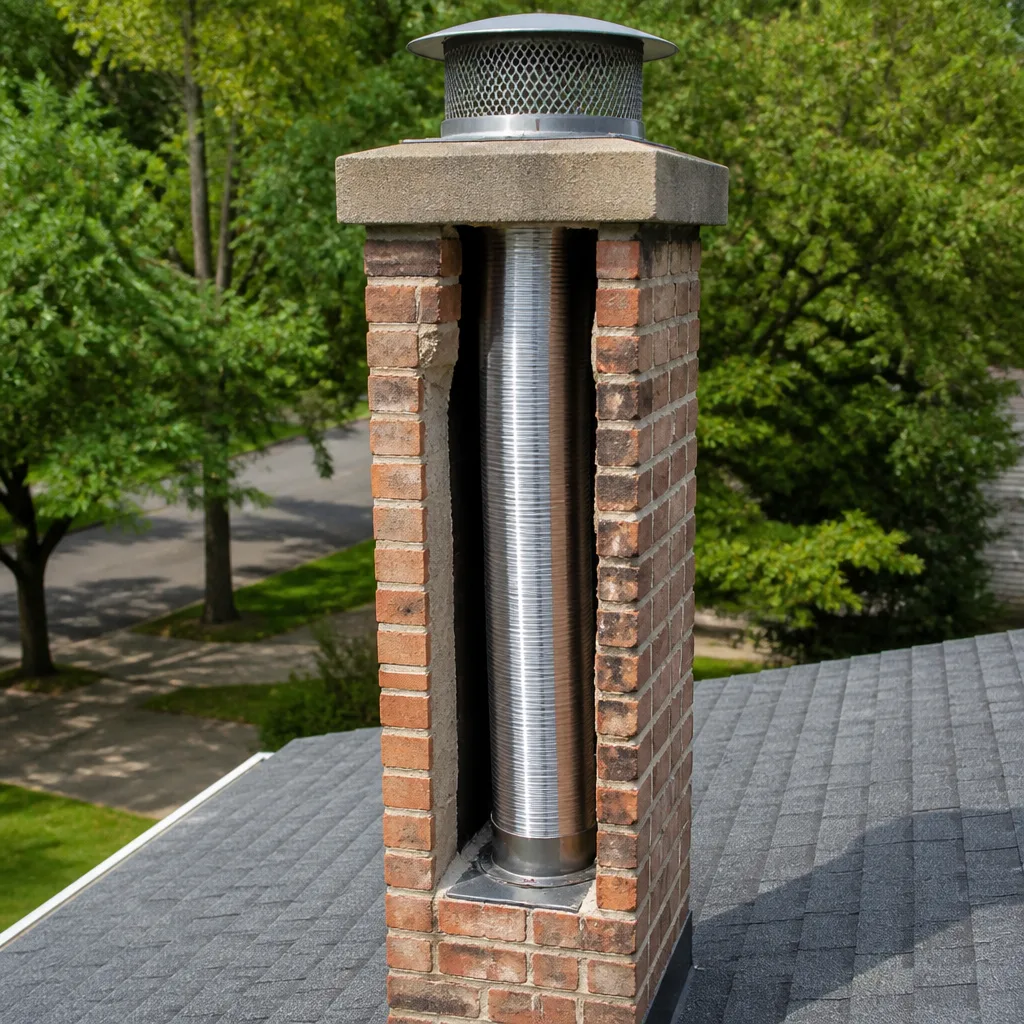
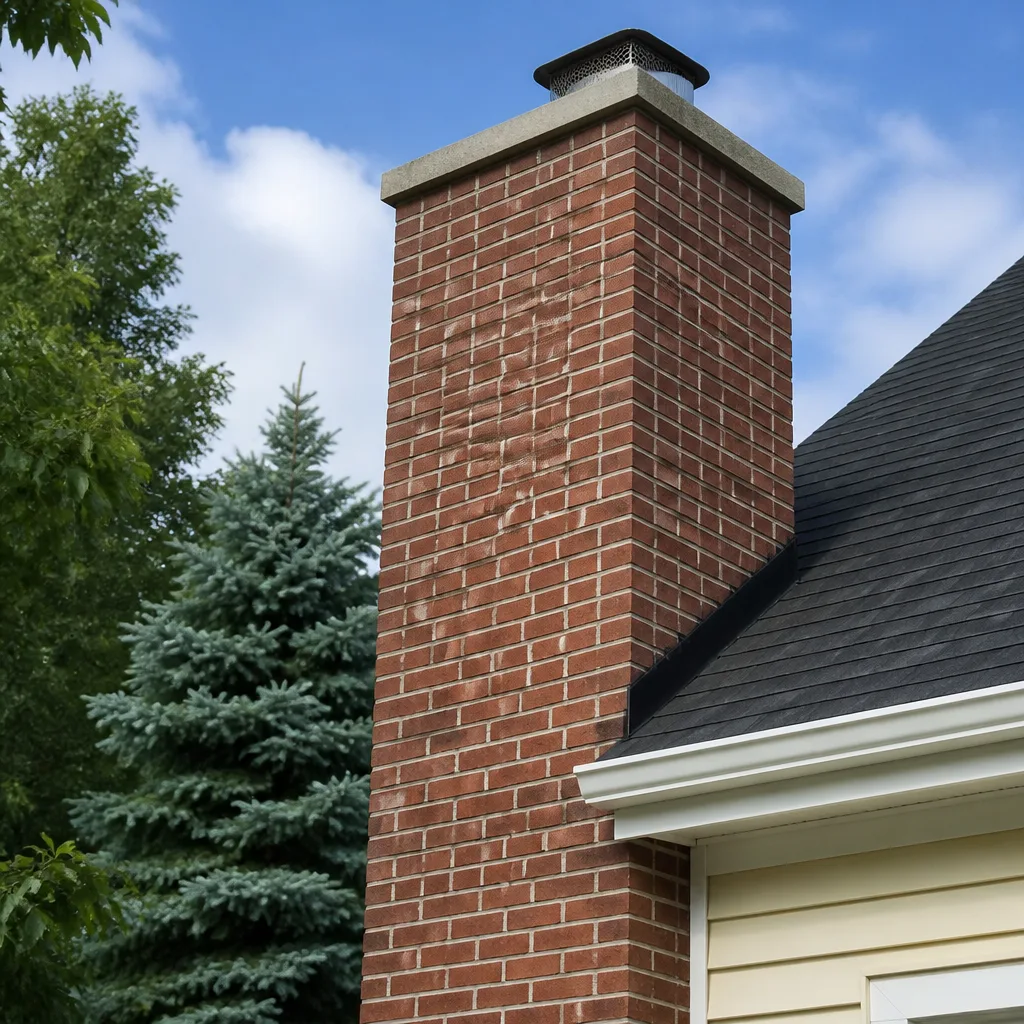
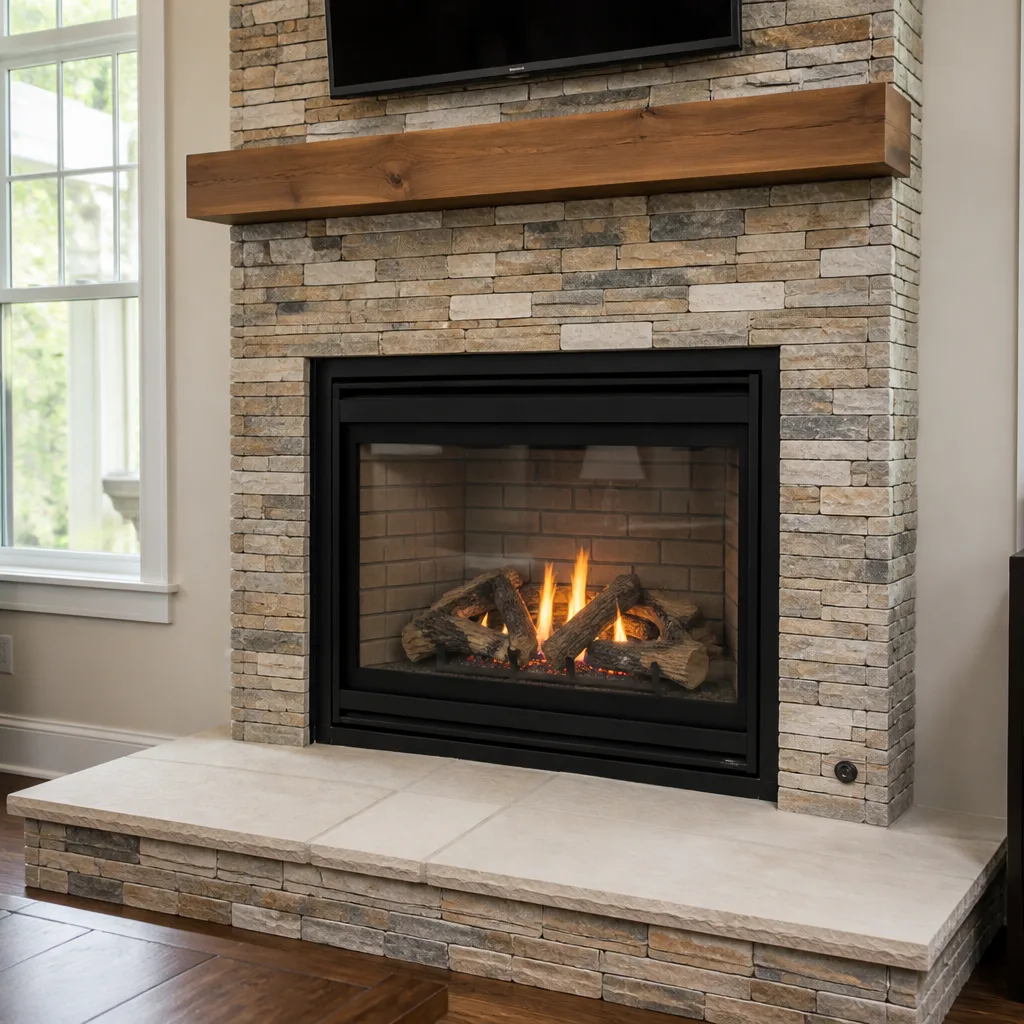
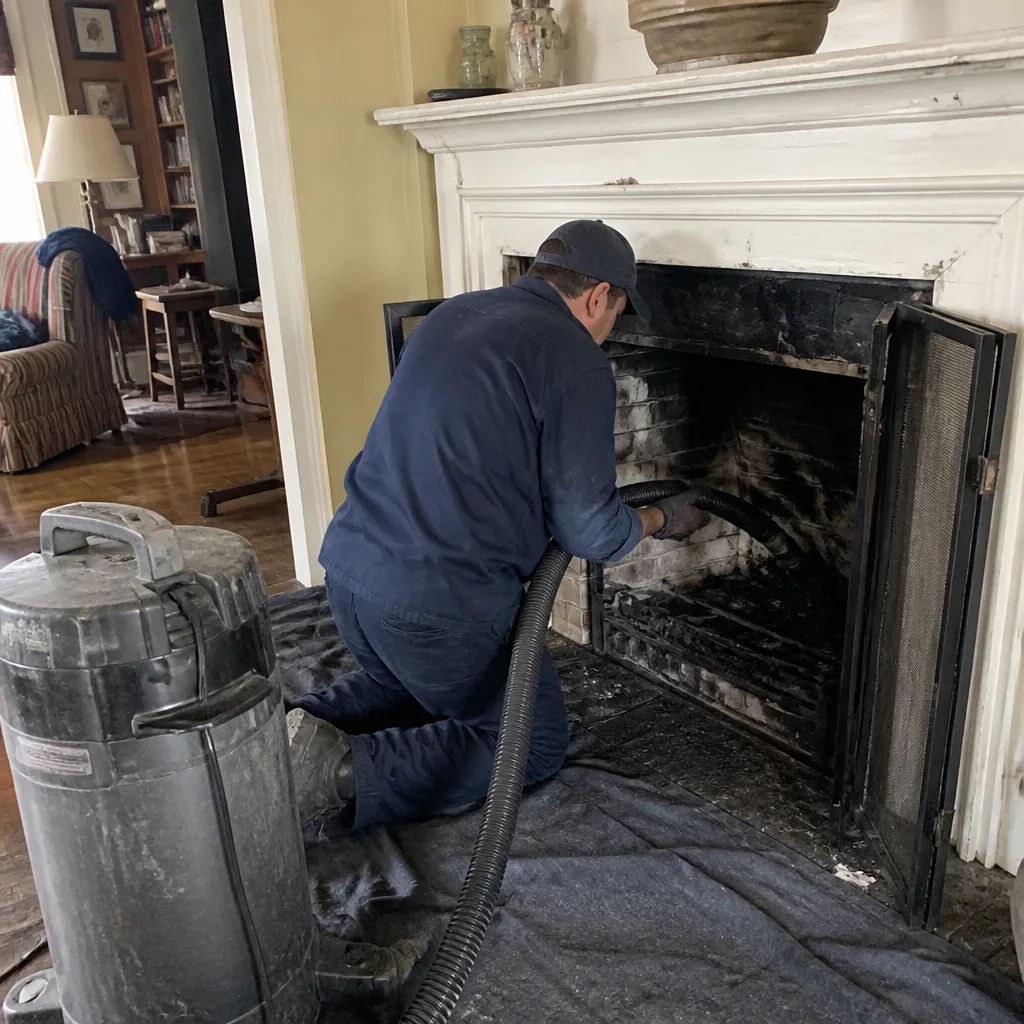 Before
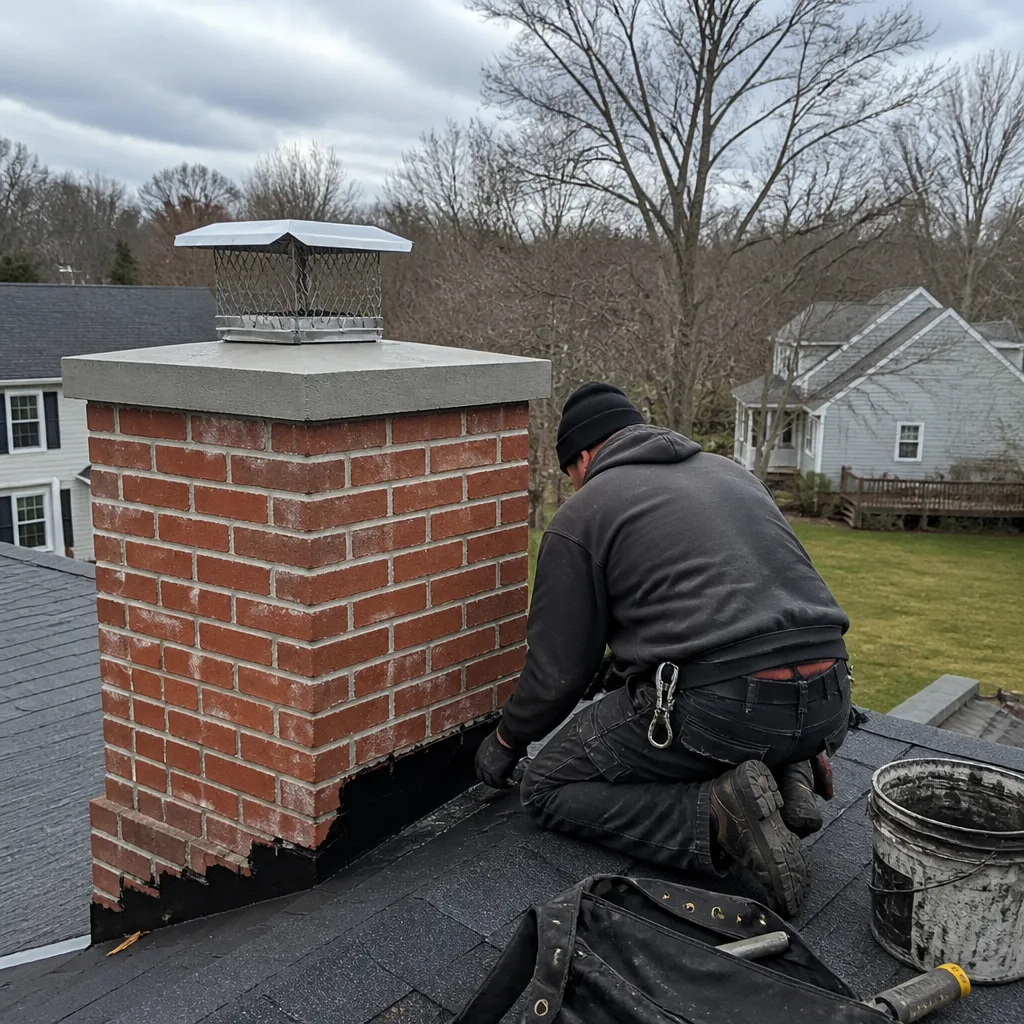 After
After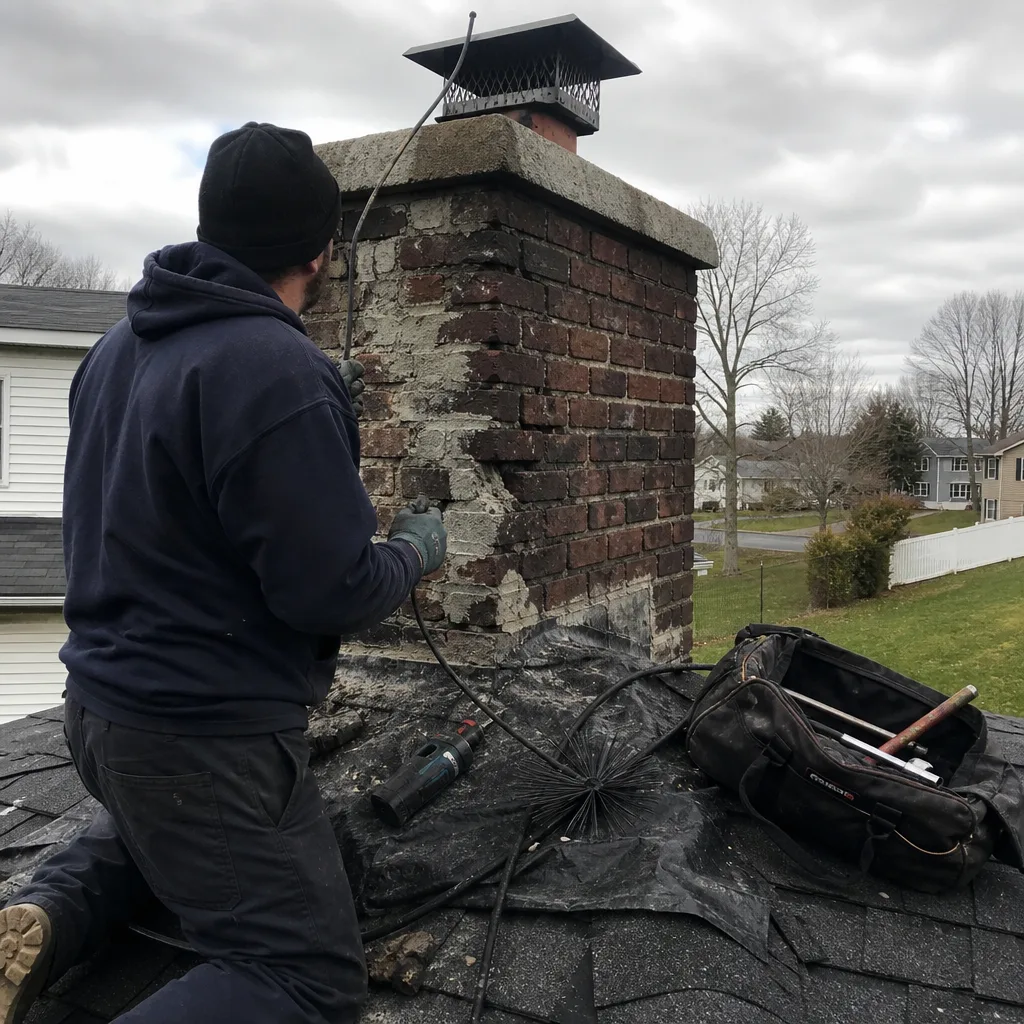 Before
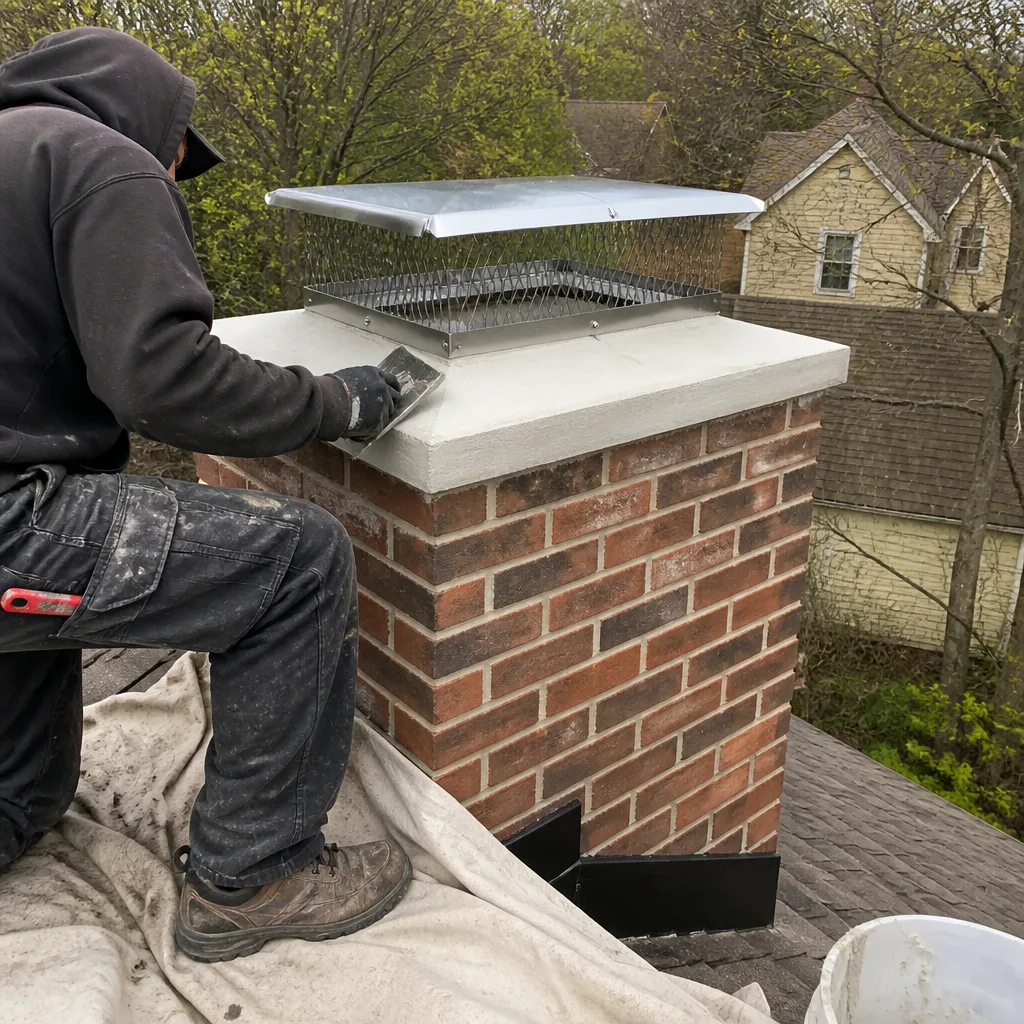 After
After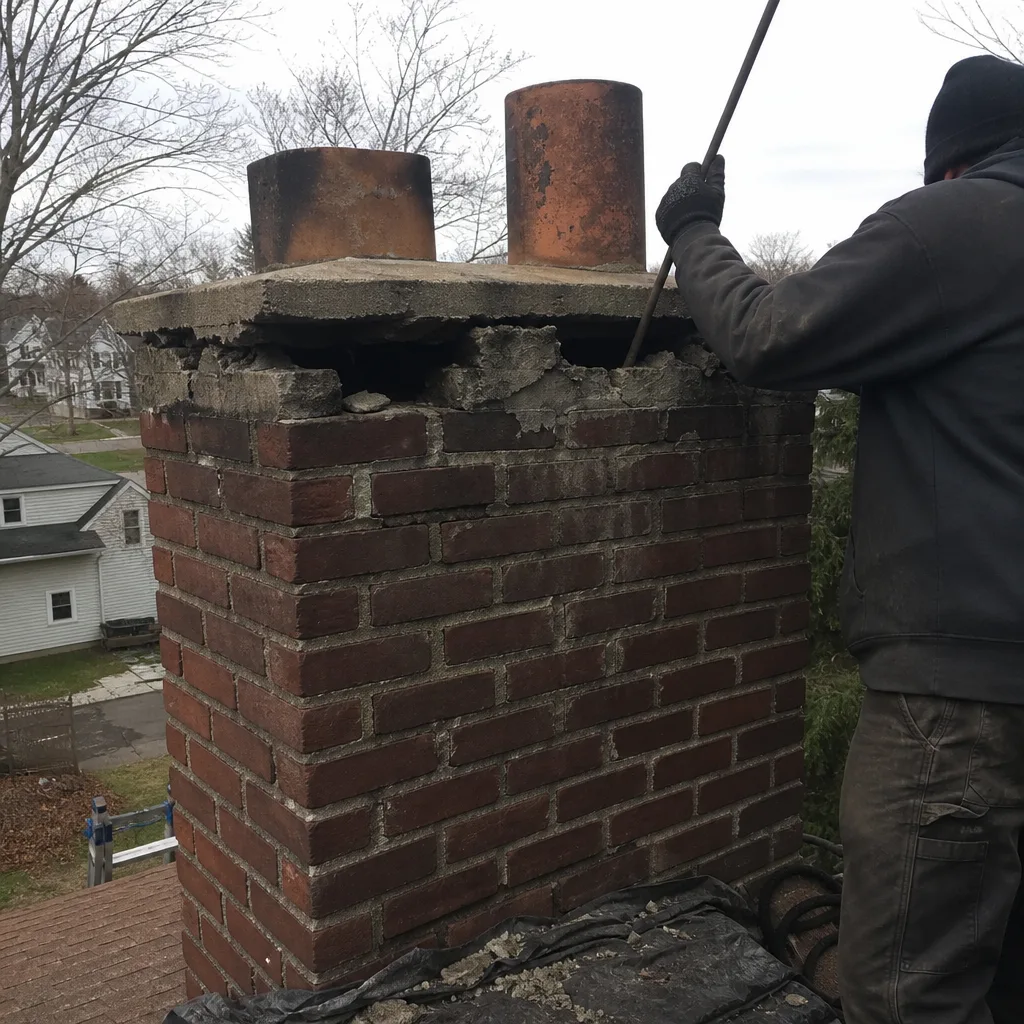 Before
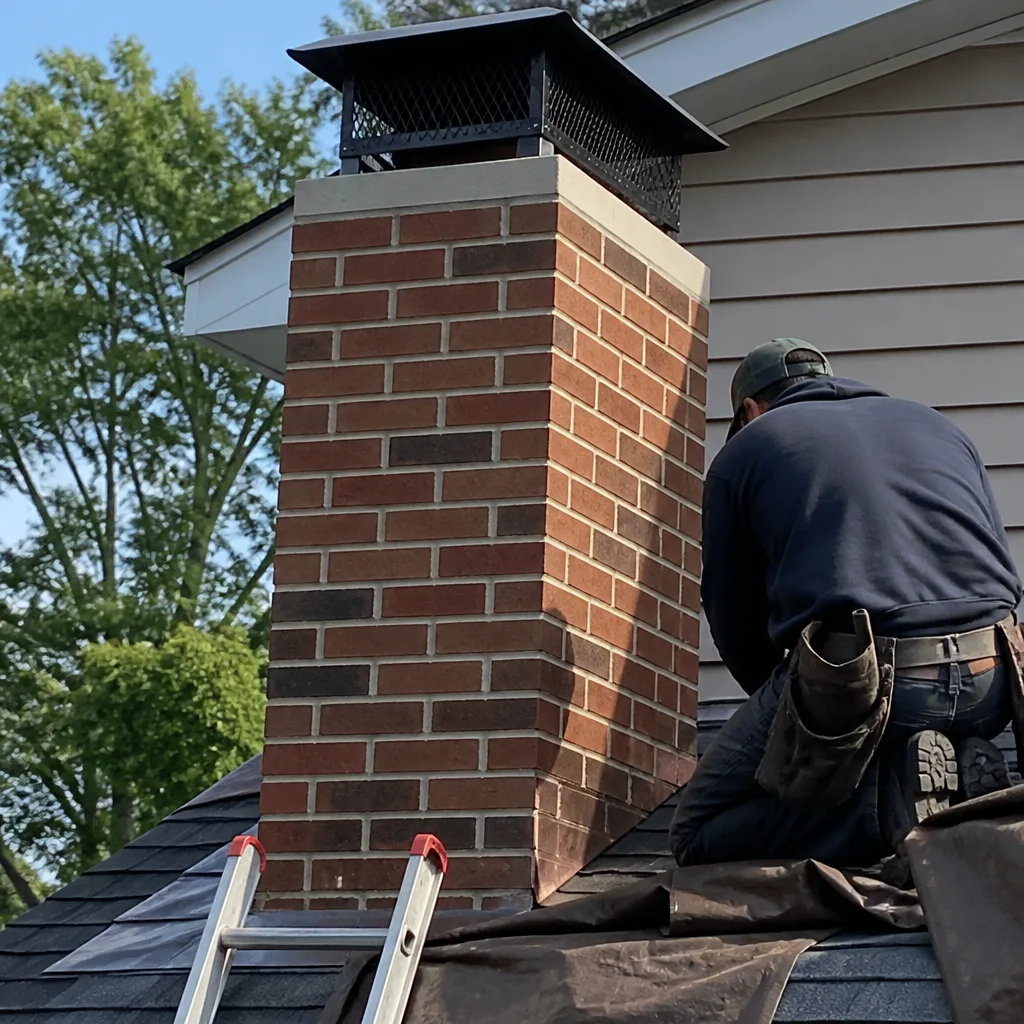 After
AfterThe Complete Guide to Chimney Cleaning in Bristol
Here’s a number that should stop you mid-coffee: the Chimney Safety Institute of America attributes more than 25,000 residential fires a year to confined chimney fires, and a large share of those happened in chimneys that had been “cleaned” recently. The receipt was in the drawer, the damper still works, and the flue was quietly caked with creosote the whole time. If you own a home in Bristol, where the housing stock skews older and a lot of flues are still original clay tile, this guide was written for you. We’re going to walk through what a real chimney cleaning actually involves, step by step. Not the version you get from a national franchise that sends a different face every fall. The version that keeps a fire where it belongs.
Quick Answer
A proper chimney cleaning in Bristol costs between $189 and $320 for a standard open firebox, and it should always include a visual inspection, a written condition report, and camera work if the sweep sees anything questionable at the smoke shelf or above. The sweep should be on the roof, not just inside the firebox. Anything less than that is a partial job with a full price tag.
Table of Contents
- What a Chimney Cleaning Actually Is (and What It Is Not)
- What a Sweep Should Physically Do at Every Stage
- Why Bristol Homes Build Creosote Differently
- Level 1, Level 2, Level 3: What They Mean for Your Bristol Home
- How Often Should You Clean the Chimney?
- What Your Paperwork Should Look Like
- When Cleaning Is All You Need Versus When You’re Owed an Honest Conversation
What a Chimney Cleaning Actually Is (and What It Is Not)
A chimney cleaning is the physical removal of creosote, soot, and any debris from the interior of the flue. That means the walls of the flue liner, the smoke chamber, the smoke shelf, the damper area, and the firebox floor. A legitimate sweep cleans all of it, not just whatever the brush reaches from the firebox looking up. The distinction matters more than most homeowners realize, because the majority of chimney fires in this part of Connecticut did not start in chimneys that were ignored. They started in chimneys that were partially cleaned.
What a cleaning is not: it is not an inspection, though a cleaning should always include one. It is not a repair. It is not a liner replacement. It is not a substitute for a chimney cap. And it is not a guarantee against every possible problem. What it is, when it’s done correctly, is the single most effective thing you can do between your family and a chimney fire.
Creosote is the byproduct of incomplete wood combustion. It forms as vaporized tar, resins, and moisture cool on their way up the flue and condense onto the liner surface. Once it’s there, it builds. The first layer is flaky and dull. The second layer is tar-like and harder to brush. The third layer is a hard, shiny glaze that a standard wire brush will not remove. In Bristol, where shoulder seasons bring cool nights and warm afternoons, fires get lit and then banked down, the flue runs cooler than it should, and creosote forms faster than it would in a house where the fire burns hot every time. That’s an environmental fact of living in this part of Hartford County, and it shapes how often your chimney should be cleaned.
Here’s our position, plainly: if the sweep doesn’t clean the smoke chamber and doesn’t get on the roof, you didn’t get a chimney cleaning. You got a firebox vacuum and a bill. The smoke chamber is where creosote builds the thickest in many Bristol homes, and it is also the section that some low-effort operations skip because it’s awkward to reach. They’ll brush the flue from below and call it done. The brush doesn’t reach the smoke shelf with any pressure. The smoke chamber stays coated. You’d never know unless someone showed you the camera. That’s a big reason we insist on camera work whenever a flue hasn’t been serviced recently.
A proper chimney cleaning in Bristol is a process, not a single action. It has stages. Here’s what those stages are, so you know exactly what to expect when Wendell and his crew roll up the driveway.
What a Sweep Should Physically Do at Every Stage
We’re going to walk through the entire job as it should be performed, start to finish. This is the standard we’ve held since 1999, and it hasn’t changed, because the physics of fire hasn’t changed. If you’re comparing companies, ask them whether they do every step on this list. If they hesitate, keep dialing. You may want to bookmark this section and keep it handy on the day of your appointment, or browse more guides & resources from our team.
- The roofline and exterior check. The sweep goes up, walks the crown, looks at the cap, checks the flashing, and examines the top of the liner for cracks, spalling, gaps, or rust. This is where cap damage, missing screens, and water intrusion show up first. Bristol gets freeze-thaw cycles all winter, and water that finds its way into the crown will expand and split it. The roof is where that story gets read.
- Flue inspection, top down. A light down the flue. Looking for obstructions: bird nests, squirrel nests, dead leaves, tennis balls, whatever. Animals love chimneys, and a capped chimney in summer is not a guarantee if the cap was installed poorly. The sweep is also looking at the liner surface itself: first-degree creosote that brushes out, second-degree that needs mechanical scraping, or third-degree glaze that a brush alone won’t touch.
- Firebox and hearth protection. Before any tool moves inside, floor protection goes down. A good sweep treats the house as carefully as the chimney.
- Mechanical brushing from the roofline or through the firebox. Depending on the setup, the correct brush, on the correct rod system, scrubs the full length of the flue liner. Not a drill attachment used in a hurry. A real sweep matches the brush size and shape to the liner profile.
- Smoke chamber and smoke shelf work. This is the step that separates a real cleaning from a cheap one. The smoke chamber is a funnel above the firebox. Creosote builds there in thick layers because the smoke is cooling and the surface area is large. Cleaning it requires specific agitation and a HEPA vacuum running concurrently, so the house doesn’t fill with soot. We clean the smoke shelf, the smoke chamber walls, and the throat area. Every time. No exceptions.
- Damper check and operation. The damper gets exercised. Does it seat? Does it open and close fully? A jammed damper is a safety issue and a draft problem, and it’s a hundred-dollar repair if caught early. Catching it before it fails completely is the whole point.
- Final interior vacuum and wipe-down. The firebox gets vacuumed. The hearth gets wiped. The surrounding floor is left as clean as it was found. Not “should be.” Left.
- Condition report and, if needed, camera work. Before the truck pulls away, the homeowner should have a written condition report in hand. If there’s any question about the liner’s condition, the smoke chamber, or hidden delamination, we run a camera and we show the homeowner the footage. Plain-English verdict. Every time. That is the single most important piece of paper from the whole appointment.
What does skipping any one of these steps cost you? A skipped roofline check conceals a cracked crown until it becomes a water-damaged ceiling. A skipped smoke chamber cleaning leaves a third of the creosote in place, waiting for one hot fire. A skipped damper check becomes a room full of smoke on the first cold night. A skipped condition report means you have zero record if something goes wrong later. None of those are worth the forty bucks you saved.
Why Bristol Homes Build Creosote Differently
Bristol has a specific housing profile: a dense core of colonials, Capes, and older ranches built from the 1940s through the 1970s, many of them still on their original clay tile flue liners. Those liners were good enough for a wood stove in 1965. They’re not necessarily good enough for a modern fireplace insert or a house that’s been buttoned up with new insulation and air sealing. That combination of older materials and modern building tightening creates flue conditions that promote creosote faster than you’d expect.
Clay tile liners absorb heat differently than stainless steel. They’re more massive, take longer to warm up, and cool the flue gases faster. The tile joints, especially if they’ve shifted or cracked over decades of winters, create small ledges where creosote collects. In the older colonials over in the Federal Hill area and the neighborhoods off Farmington Avenue, we see the same pattern again and again: a relatively clean upper flue and heavy deposits at the first tile joint above the smoke chamber. That’s a function of thermal differential and tile geometry, and no amount of hot-burning logs fixes it. It’s mechanical. It needs to be cleaned, and it needs to be looked at.
Bristol’s climate is a genuine factor too. We’re in the Connecticut River Valley’s edge, with cold, damp winters. Fires in Bristol get lit hard for a couple hours, then tamped down overnight. The damper closes partially to hold heat. The flue temperature drops. Condensation forms. Creosote glazes. It’s a faster cycle than you’d find in a drier, colder climate where fires burn wide open for entertainment. This is why we tell every homeowner we serve in Bristol the same thing: your flue doesn’t care how the fire looks. It cares how it breathes.
What does that mean practically? It means a chimney in a 1968 ranch on a quiet Bristol street may need two cleanings a season if the homeowner tends to burn soft, resinous wood or unseasoned cords. It may only need one. The only way to know is to look. And looking isn’t a guess about the weather. It’s a physical inspection of what’s actually in the flue.
Level 1, Level 2, Level 3: What They Mean for Your Bristol Home
The National Fire Protection Association’s 211 standard defines three levels of chimney inspection, and most Bristol homeowners have never heard of the difference. That’s not their fault. Plenty of chimney companies don’t explain it, either. Here’s the plain version.
- Level 1 inspection. This is the baseline. It covers all accessible portions of the chimney, inside and out, with no specialized tools. It’s what accompanies a routine cleaning when the system hasn’t changed, the fuel type hasn’t changed, and there’s no known damage. On a straightforward annual cleaning, this is what you’re getting.
- Level 2 inspection. This is required when there’s been a change: a new liner, a new appliance, a new fuel type, a change to the chimney structure, a property purchase or sale, or an event like a chimney fire, earthquake, or lightning strike. It includes everything in Level 1 plus video scanning or other internal examination. When someone buys a home in Bristol, especially one of the older colonials near Page Park or the Capes near Chippens Hill, this is the inspection that should happen before closing.
- Level 3 inspection. This is the serious one. It involves removing components of the building or chimney to access concealed areas and is required only when a Level 2 reveals serious hidden defects. If a sweep is recommending a Level 3, something significant was found. It’s rare. But if it happens, get the specifics in writing.
For most Bristol homeowners with an annual cleaning habit, a Level 1 is fine. But if you’ve lived in the home for ten years with no cleaning, or if you have a wood stove you know is old, or if you bought the house with an unknown flue history, ask for Level 2 with camera. The extra cost is modest compared to replacing a lining that’s been quietly failing for years. And the camera footage is yours to keep. Ask for it. You won’t get a second chance to know what the flue looked like before it’s someone else’s problem.
One more point about cameras, because it comes up often. We run a camera when the situation calls for it, not as a revenue add-on. If the flue is clean, the liner looks intact, and the smoke chamber is in good shape, the camera confirms what the brush work already suggested and we tell the homeowner exactly that. No invented drama. No “you need a new liner” speech when the liner is fine. That’s how it should work, every time. Ask anyone on your street.
How Often Should You Clean the Chimney?
The standard recommendation from the CSIA and the NFPA is once a year, at minimum, for any chimney in active use. That’s a national guideline. But Bristol’s specific conditions make that the floor, not the ceiling. Here’s what we actually see in this market.
If you burn a cord or more per season in a standard open fireplace, an annual cleaning is the bare minimum. If you burn more than three cords, or you burn soft woods like pine and hemlock, or you burn wood that hasn’t fully seasoned, you may need a mid-season check. If you have a wood stove as your primary heat source, especially an older unit, twice a season is not excessive. And here’s the part that surprises a lot of people: even if you don’t use the fireplace at all, the chimney still needs an annual look. Chimneys break in the off-season too. Water gets in. Animals get in. Liners crack from freeze-thaw. The fireplace that sat dark from April to October is exactly the one that has a mated squirrel nest in the smoke chamber by Thanksgiving.
Once a year, burn or no burn. That’s the rule around here. It’s cheaper than the alternative, and the alternative isn’t theoretical in Bristol. Our local fire department runs chimney fire calls in this city every heating season. We hear them. You don’t want that call on your street.
What Your Paperwork Should Look Like
This is where a lot of Bristol homeowners get shortchanged, and why we’re writing this guide. The single most important deliverable from a chimney cleaning is not the receipt. It’s the written condition report. A receipt only proves you paid. A condition report proves what the sweep found.
Here’s what a complete condition report should include:
- The date of service and the address served.
- The type of chimney system (masonry with clay liner, masonry with stainless liner, factory-built, etc.).
- What was found at the roofline: crown condition, cap condition, flashing, masonry.
- What was found in the flue: creosote level before and after, any obstructions, any liner defects.
- The condition of the smoke chamber and smoke shelf.
- The condition and operation of the damper.
- Any recommended follow-up items, with prices, in writing.
- The name of the sweep who performed the work. Not a company name. A person’s name.
If the sweep hands you a receipt with “cleaned” written on it and nothing else, you have no record of anything. If there’s a chimney fire six months later, you’ll wish you had the page that said whether the smoke chamber was cleaned. And here’s the uncomfortable reality: some companies that skip the smoke chamber also skip the condition report, because a real report would force them to document what they didn’t do. A thin receipt is not an oversight. It’s a strategy. Don’t accept it.
At Top Hat Chimney, every cleaning includes a written condition report. It’s not an add-on and it’s not optional. We’ve done it that way since 1999, and no customer has ever asked us to stop. The 90-Day Done Right Promise goes on the page too, in writing: if the work isn’t done right, one call brings Wendell back at no additional cost. That’s the whole point of putting his name on the truck, publishing his license number, and running into you again at the grocery store. The promise has to hold up at the hardware store.
When Cleaning Is All You Need Versus When You’re Owed an Honest Conversation
This is the section other chimney guides don’t write, because it’s awkward. Here’s the truth: sometimes you call for a cleaning and the chimney doesn’t need a cleaning. What it needs is a repair. And a good sweep tells you that, plainly, without turning a $200 cleaning into a $4,000 invoice by inventing problems. Here’s how to tell the difference.
Cleaning is all you need when the flue has first-degree creosote or a moderate amount of second-degree buildup, the liner is intact, the smoke chamber is sound, and the cap is doing its job. In that situation, the brush work solves the problem. The chimney was dirty, and now it’s clean. The end.
You’re owed an honest conversation when the camera shows a cracked or shifted clay tile, when the smoke chamber wall is delaminating, when the cap has rusted through or gone missing, or when the creosote has hardened into third-degree glaze. In those cases, cleaning alone isn’t enough. The brush will remove surface buildup and leave the structural problem untouched. A dishonest operator will brush it anyway, write “cleaned” on a receipt, and tell you the chimney is fine. The honest one shows you the footage and tells you what the options are. Some of those options can wait. Some can’t. You deserve to know which is which.
We work with HeatShield and Gelco products for a reason: they allow us to repair and reline chimneys that would have needed a full rebuild twenty years ago. A HeatShield application can resurface a damaged clay flue without tearing out the whole chimney, and Gelco is a trusted name in this line of work. Not every problem requires those products. A lot of chimneys just need a proper cleaning and a good cap. But when the repair is real, you want options, and you want them explained in plain English with the camera footage to back them up. Then you decide. Not before.
What a Proper Cleaning Costs in Bristol
Let’s talk numbers, because vague pricing is exactly what the national franchises use to get in the door with a low quote and then “find” problems at the door. A straight chimney cleaning for a standard open fireplace in Bristol should land between $189 and $320. Here’s the breakdown of what that typically involves and what changes the price.
- Standard cleaning, open firebox, accessible roofline: $189-$249. Includes full interior cleaning, smoke chamber, roofline inspection, and written condition report.
- Cleaning with substantial creosote buildup or awkward access: $250-$320. When the roof is steep, the liner is tall, or the creosote needs extra mechanical work, the price moves up accordingly.
- Level 2 camera inspection add-on: $75-$150. Not always required, but essential when there’s been a change in the system or unknown history.
- Cap replacement or crown sealing: $200-$600, depending on material and access. If the cap is missing or rusted through, this is a repair, not a cleaning item.
And here’s how Top Hat Chimney handles pricing, because it’s the piece that most distinguishes us from the national outfits. The price you hear on the phone is the price on the invoice. Not an estimate. A price. Wendell or his crew will come out, look at the chimney, and confirm the number before a single tool comes off the truck. If something unusual turns up during the work that changes the scope, the conversation happens before the extra work begins. No surprises. No door-price switch. And no trip charge inside our service county. That’s been our standing offer, along with $40 off any repair over $200, a free second opinion on any written estimate, and a 10% discount always for seniors and veterans.
If someone quotes you $99 over the phone for a chimney cleaning in Bristol, ask what the price includes. A $99 cleaning is either a loss leader designed to get a foot in the door or a partial job that skips the roof, the smoke chamber, or both. Real tools, real labor, real insurance, and real time cost more than that. The flue doesn’t care that you got a deal.
Common Mistakes to Avoid
- Hiring on price alone. The best chimney service in Bristol is not the cheapest. It’s the one where the sweep gets on the roof and the paperwork documents what happened. If a $99 special turns into a $2,000 “necessary repair” at the door, you’re paying more than you would have for honest upfront pricing.
- Burning unseasoned wood. Green wood is the fastest way to build creosote. In Bristol’s humid climate, wood needs a year of splitting and stacking before it’s ready. Burning it early is a false economy.
- Ignoring the smoke chamber. The smoke chamber isn’t optional. If the sweep skips it, the chimney is still dirty, no matter how clean the flue looks. Ask whether the smoke chamber gets cleaned. Then check the report to make sure it did.
- Skipping the capped roofline inspection. A cracked crown leaks water into the chimney structure, and water does more damage than fire over time. The roof inspection is the cheapest early-warning system you have.
- Not keeping the condition report. That paper is your record. File it. If there’s ever a problem, a fire, or a dispute, it’s the only thing that stands between you and someone else’s word.
- Waiting until smoke backdraft forces the call. If the smoke is rolling into the living room, the problem has been building for a while. Cleaning before the season, not during the first cold snap, costs less and schedules faster.
- Trusting a placeholder receipt. A receipt that says “swept” with no condition notes isn’t documentation. It’s a receipt. If the company can’t tell you what they found, they didn’t look.
When to Call a Professional
Call a professional when you see smoke rolling back into the room, when you smell a strong barbecue-like odor inside the house, when animals have been heard in the chimney, when it’s been more than a year since the last cleaning, or when you’re buying a home and the flue history is unknown. None of those are DIY situations. Chimney work involves working at heights and inside confined spaces filled with flammable creosote. It’s work for a trained sweep with proper equipment and real insurance. Top Hat Chimney offers free estimates in Bristol, and you can always reach us at (860) 743-7743. A live person answers, around the clock, and it may well be Wendell himself picking up.
Frequently Asked Questions
A standard chimney cleaning in Bristol runs $189 to $320 for an accessible open fireplace, with the price varying by creosote level, roof access, and liner height. For an exact quote, call (860) 743-7743. The number we give on the phone is the number on the invoice.
Not always, and you shouldn’t take that recommendation without seeing the camera footage yourself. If the liner is cracked, delaminating, or the tile joints have shifted, the repair may be necessary. But when it’s not, you’re owed that answer too. We’ll show you the pictures.
Every year, at minimum, even if you don’t use the fireplace. Bristol’s cold, damp winters accelerate creosote formation in active fireplaces, and inactive ones collect water, animals, and deterioration. The annual check catches what the off-season did.
Creosote builds up, the flue narrows, and the fire you light in December is heating a chimney coated in fuel. A chimney fire doesn’t always announce itself with flames. Often it burns slow and hot inside the flue, cracking tiles until the day the heat finds the framing. That’s the bad ending, and it’s preventable.
Because the national chain doesn’t run into you at the grocery store. Top Hat Chimney has been serving Bristol and the surrounding towns since 1999, and Wendell puts his name on the work. He’s accountable to you, in person, not to a call center in another state.
Not if it’s done right. We protect the floor, run HEPA vacuum concurrently with the brushing, and leave the hearth as clean as we found it. Mess is a sign the crew skipped a step. We don’t skip steps.
The Bottom Line
A real chimney cleaning in Bristol is a thorough, documented process that covers the flue from the roofline to the firebox floor, with a written report and an honest conversation about what you actually need. It costs what it costs, and the cheapest quote is usually not a cleaning at all, just a door opener. You’re buying more than a brush pass. You’re buying a record, a set of eyes on your roof, and a name that stands behind the work. That’s what we’ve offered here since 1999. It’s the only kind of chimney cleaning worth paying for.
Top Hat Chimney home | Chimney Cleaning & Sweep in Bristol | Chimney Repair in Bristol | Fireplace Services in Bristol
Written by Wendell Pike, Owner at Top Hat Chimney, serving Bristol since 1999.