
Last updated September 10, 2026
Level 1 sweep and inspection to the NFPA 211 annual standard - flue, crown, cap, and flashing checked and photographed
Chimney sweep logs do not sweep chimneys. They loosen some creosote - which then falls where a brush and vacuum still have to collect it.
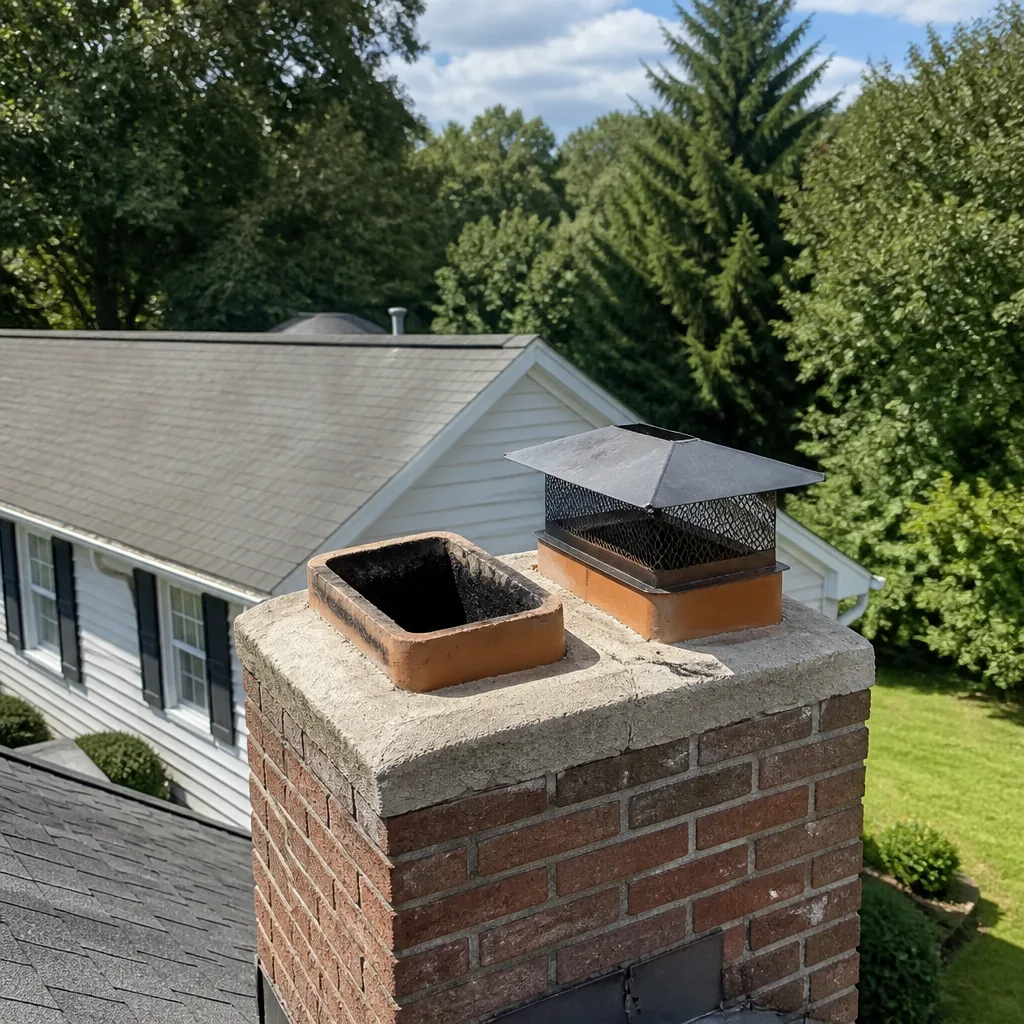
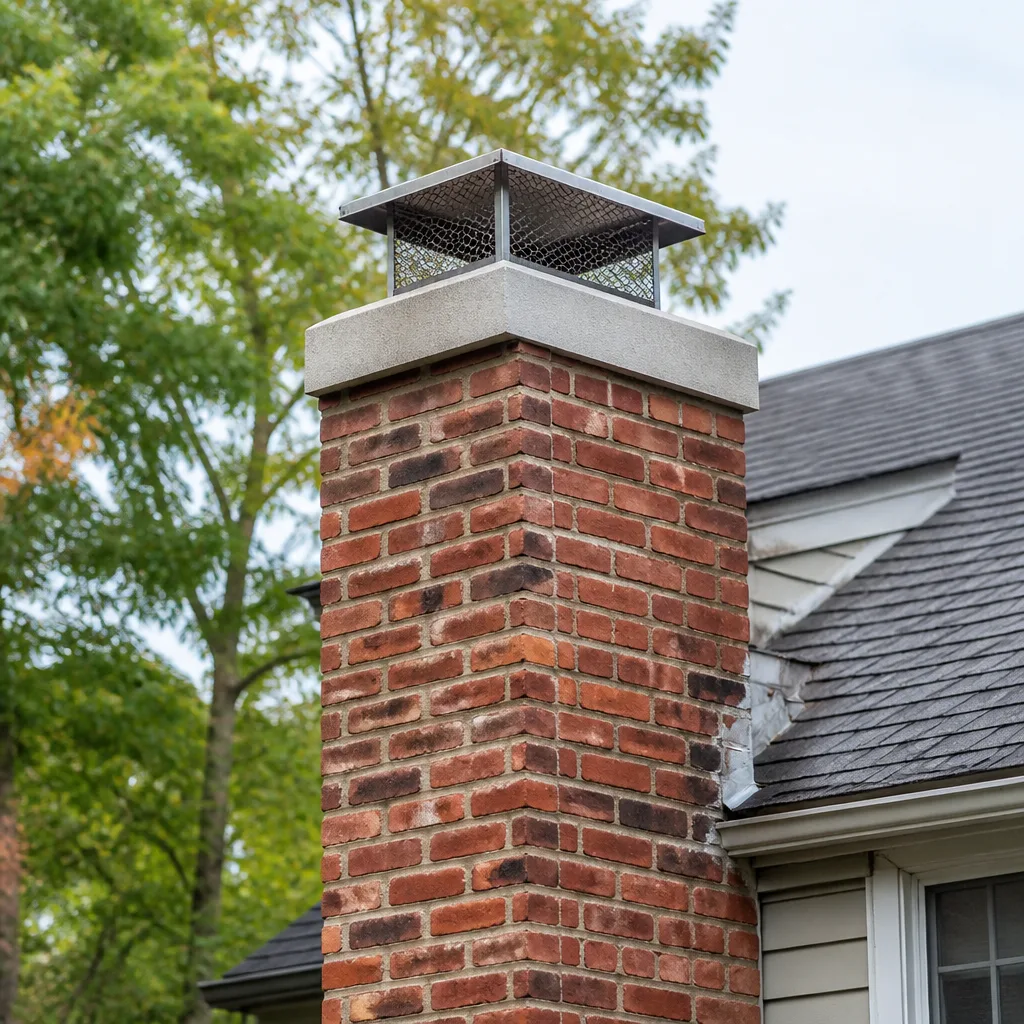
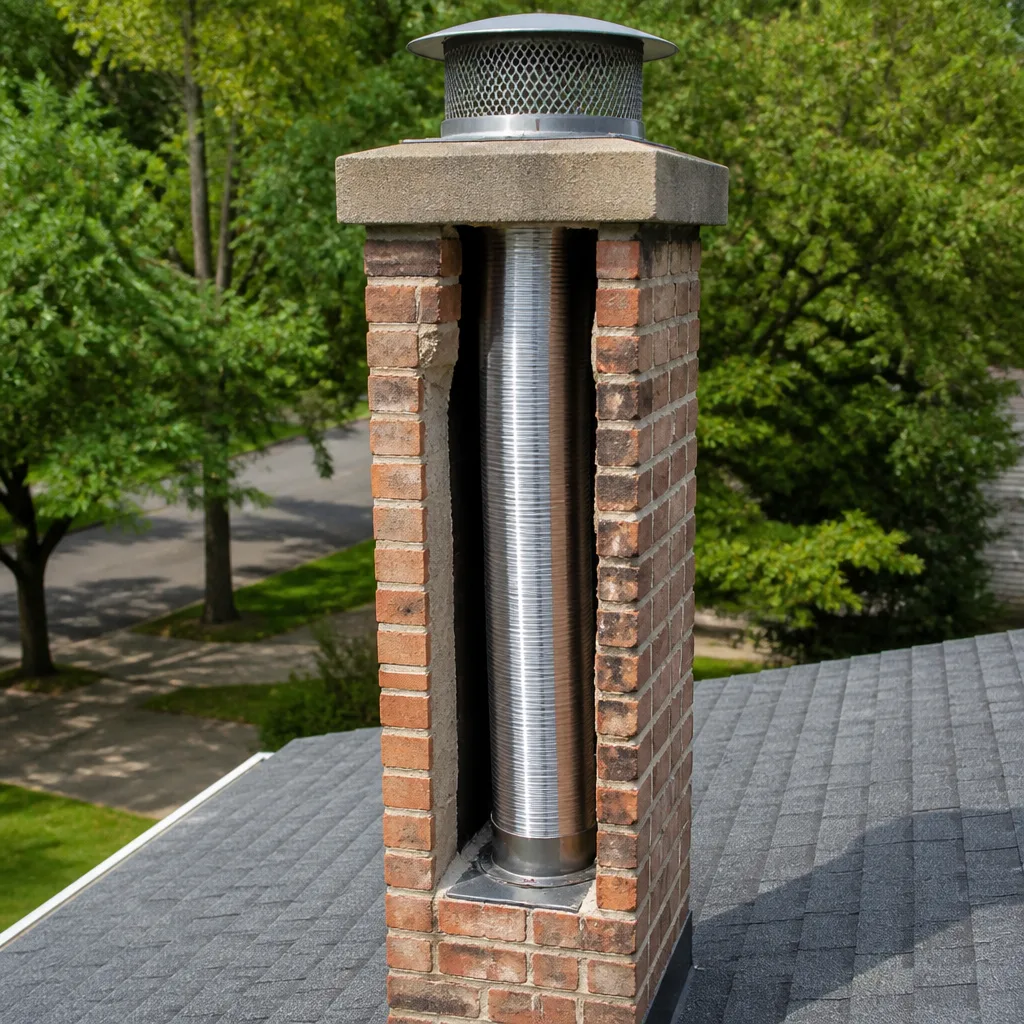
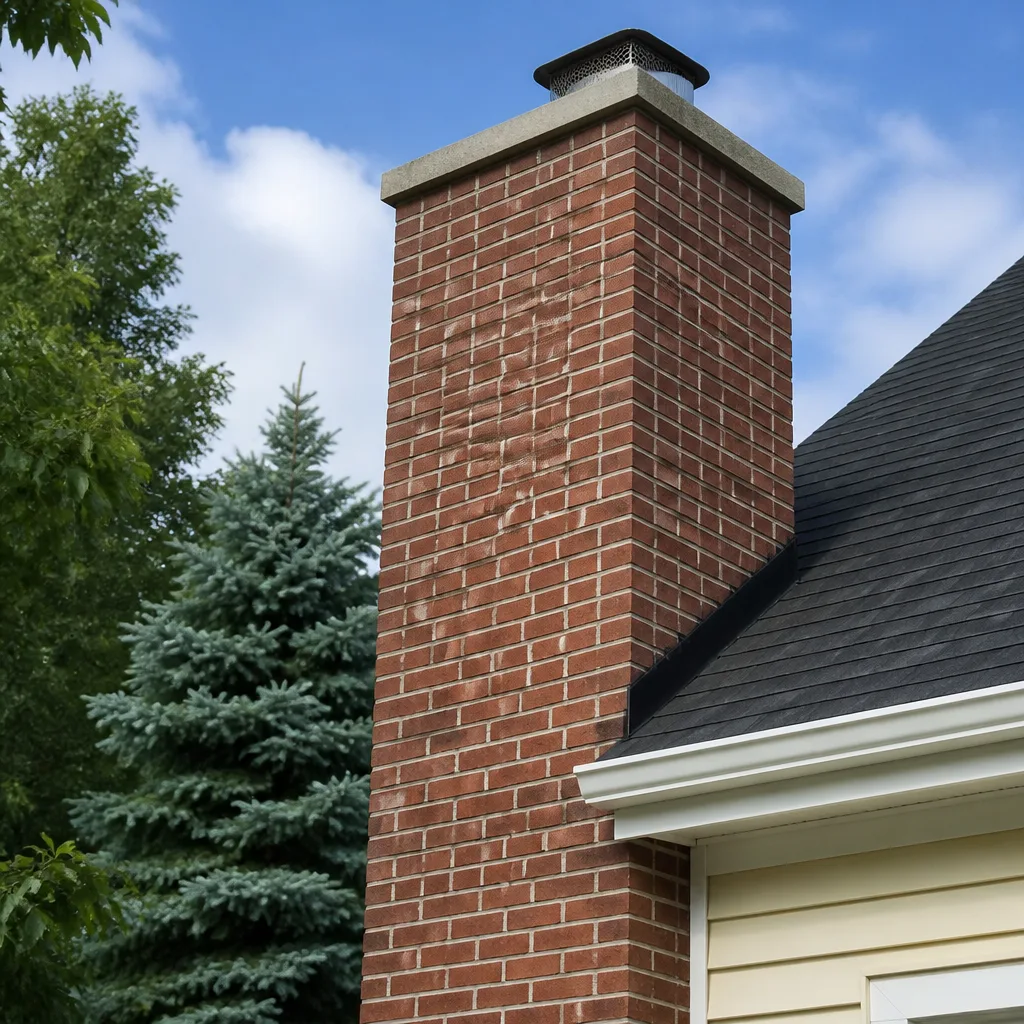
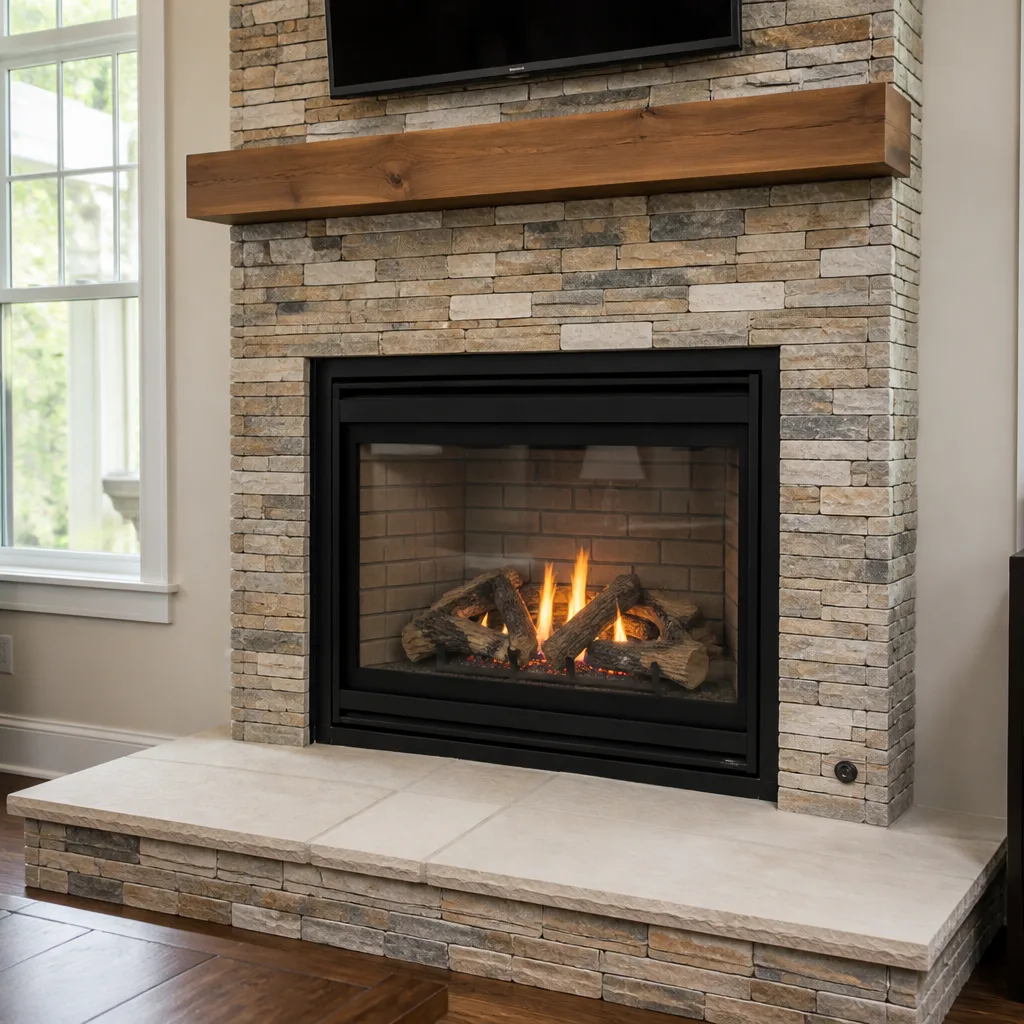
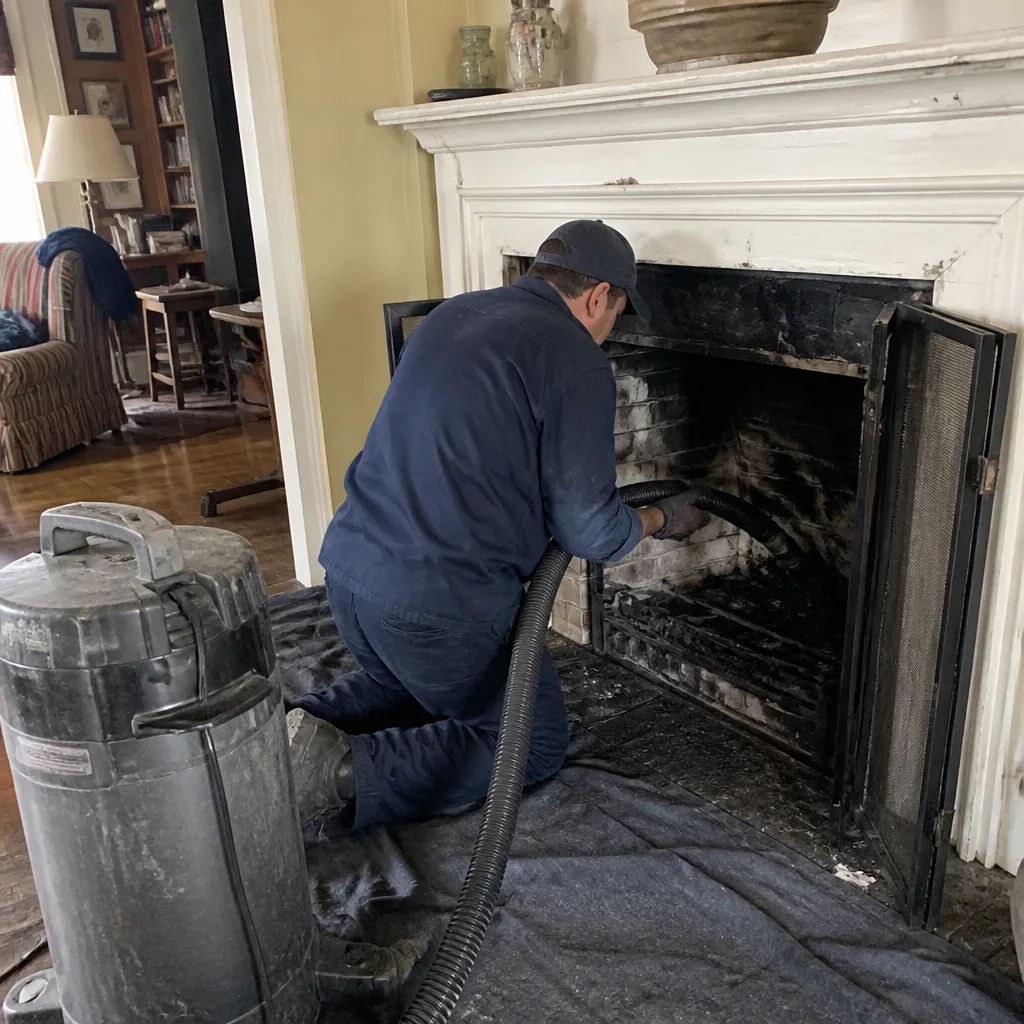 Before
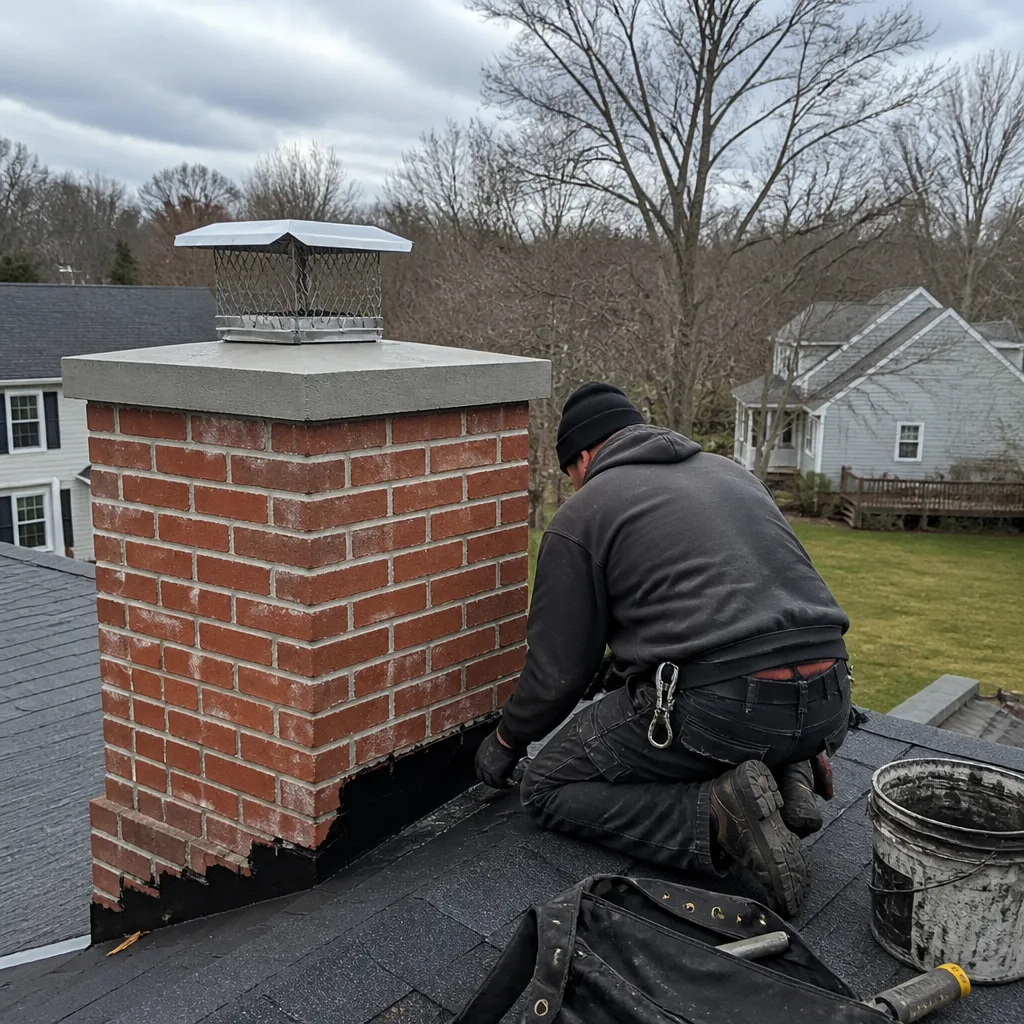 After
After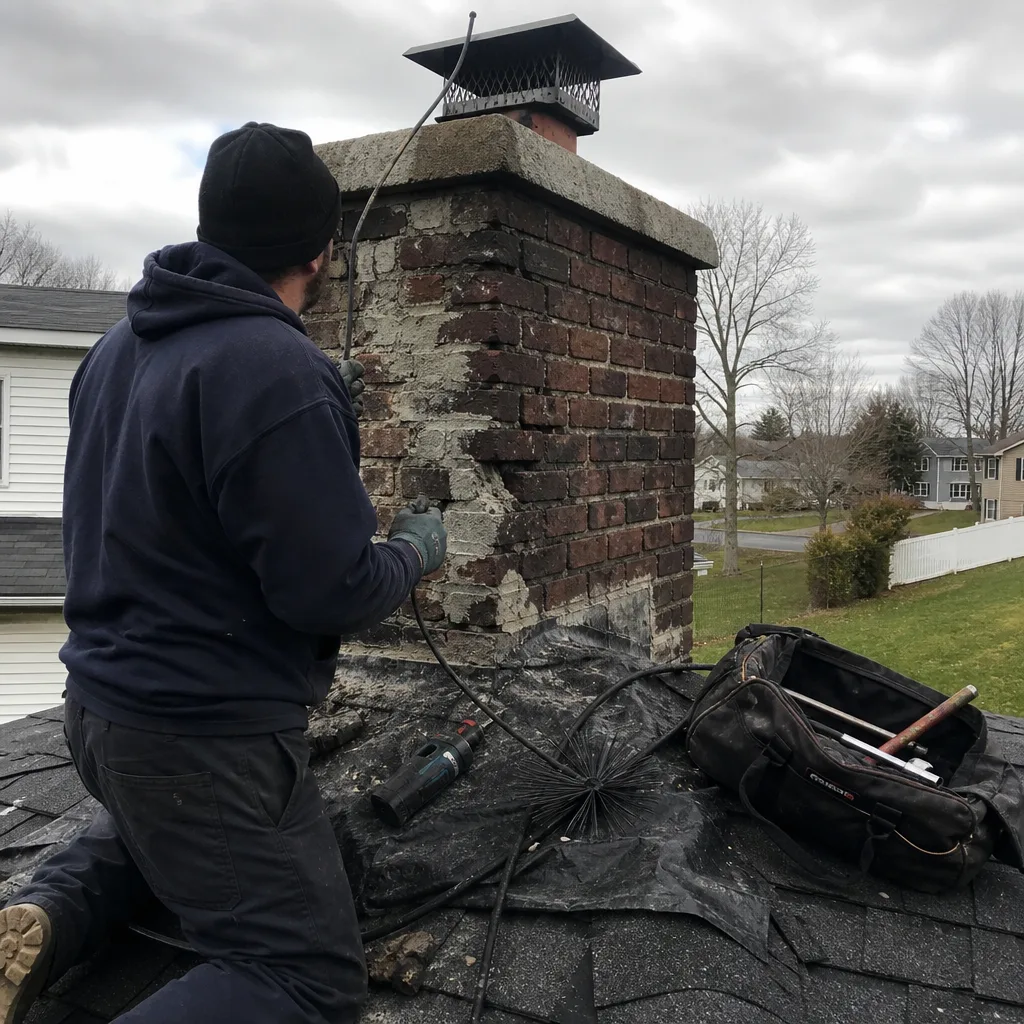 Before
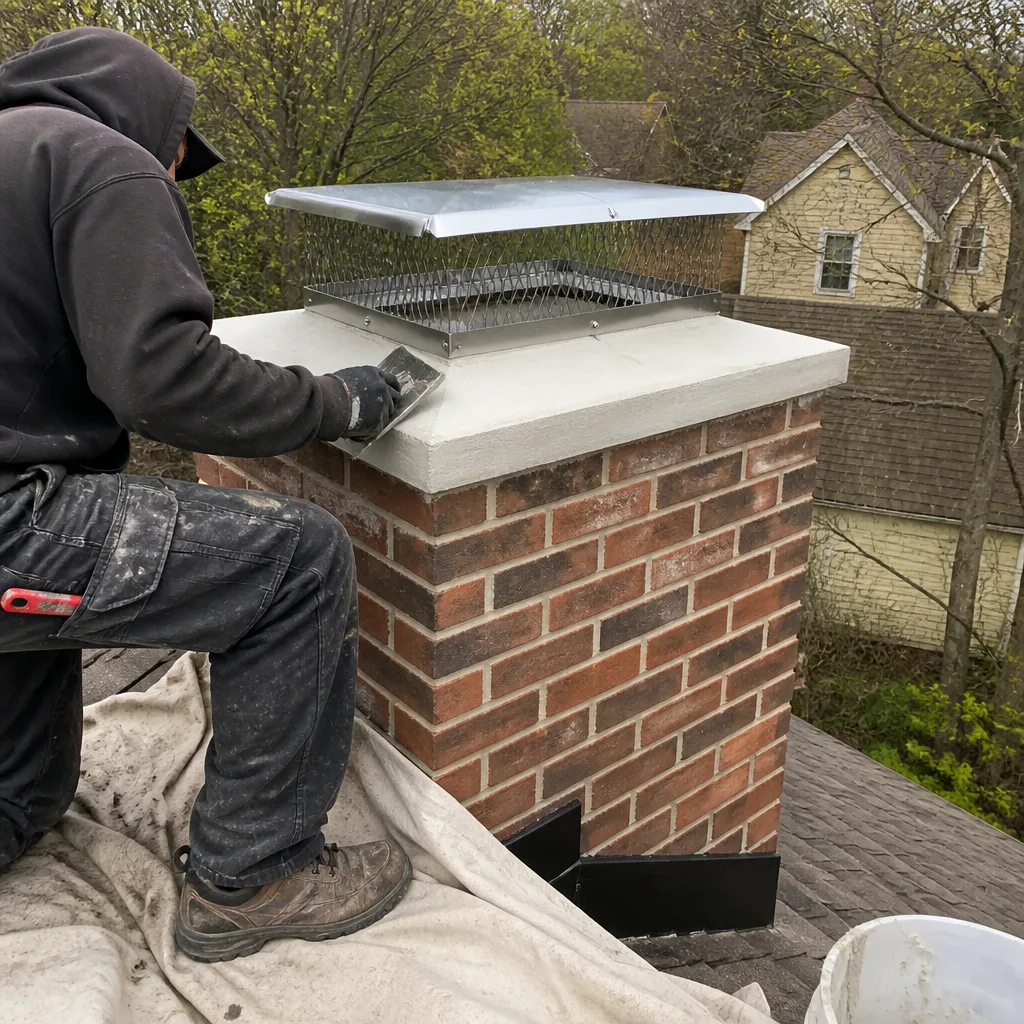 After
After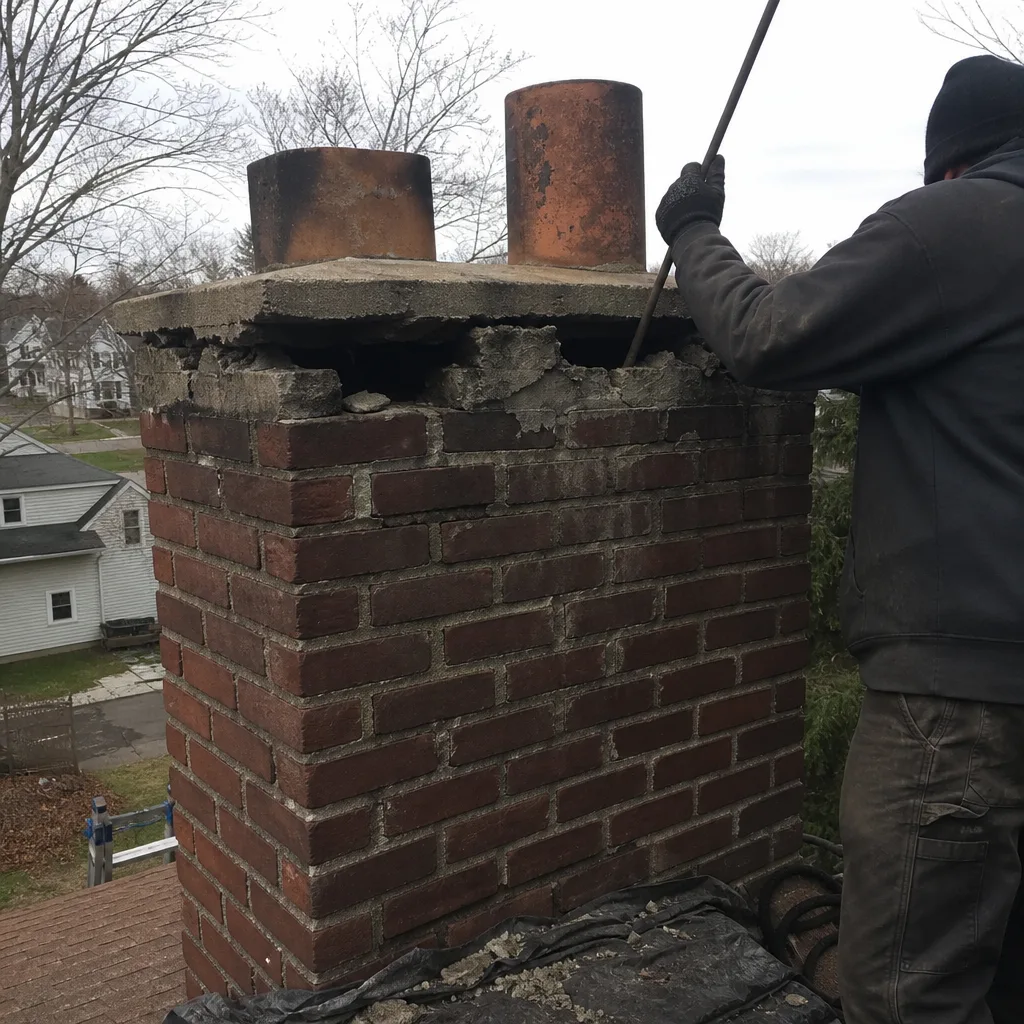 Before
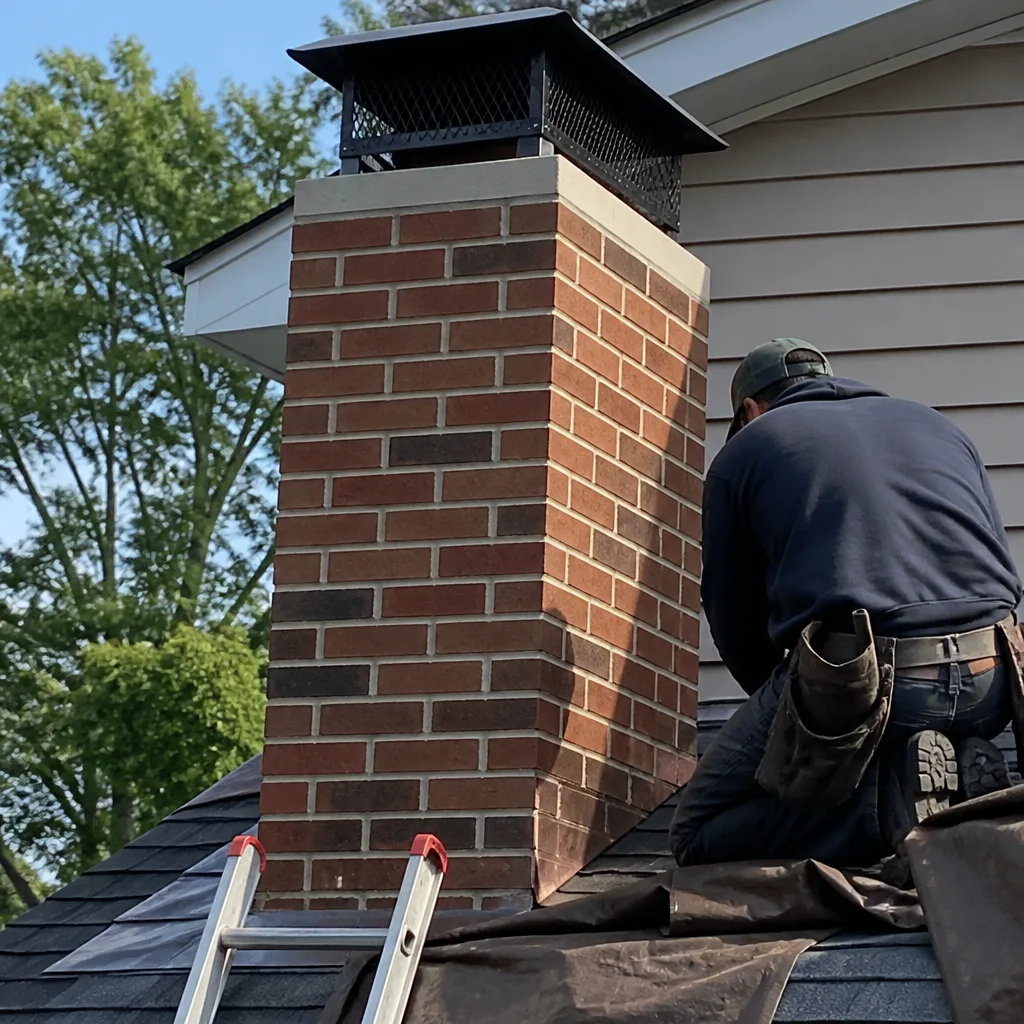 After
AfterHow to Hire a Chimney Cleaning Contractor in Bristol: A Step-by-Step Guide
In Connecticut, a company can legally offer chimney cleaning services tomorrow with zero training, zero certification, and zero insurance. There is no state law requiring a chimney sweep to prove competence before climbing onto your roof. That means the only thing standing between you and that scenario in Bristol is knowing the right three questions to ask before you book. This guide walks you through every step: what credentials matter, how to verify them in under five minutes, what a legitimate estimate in Bristol actually looks like, and how to spot the bait-and-switch before it happens at your front door.
Quick Answer
To hire a chimney cleaning contractor in Bristol, ask for three things before booking: a CSIA certification number you can verify online, a Connecticut home improvement contractor registration number, and a certificate of liability insurance sent directly from the agent. Then insist on an on-site inspection with camera documentation before any price is final, and get the scope of work and price in writing. A legitimate Bristol sweep will have no problem providing all three within one business day.
Table of Contents
- Why Connecticut Makes This Harder Than It Should Be
- The Three Questions That Eliminate 90% of Bad Contractors
- How to Verify Credentials in Under Five Minutes
- What a Legitimate Estimate Process Looks Like
- How the Bait-and-Switch Works (and How to Spot It)
- What Happens When the Sweep Finds Damage
- How to Read Reviews for Chimney Contractors
- Common Mistakes to Avoid
- When to Call a Professional
- Frequently Asked Questions
Why Connecticut Makes This Harder Than It Should Be
Connecticut has no universal licensing requirement for chimney sweeps. A person can register a business name, buy a brush set from a hardware store, print some flyers, and be on your Bristol roof by Thursday. Compare that to Massachusetts, which requires chimney sweeps to hold a state-issued certificate and pass a written exam. Or New Jersey, where chimney contractors must be licensed by the Division of Consumer Affairs. Connecticut simply has not closed that gap.
What Connecticut does require is a Home Improvement Contractor registration for anyone doing work on an existing home when the job exceeds $200. That registration is issued by the Department of Consumer Protection, and it proves the contractor has registered with the state and carries a minimum level of liability insurance. It does not prove the contractor knows anything about chimneys. A general contractor who builds decks can register and legally offer to clean your flue.
That is why the CSIA certification matters. The Chimney Safety Institute of America runs the most recognized credential in the industry. A CSIA-certified sweep has passed a written exam covering fire codes, creosote science, clearance rules, and inspection procedures, and must recertify every three years through continuing education or re-examination. In our experience working in Bristol and the surrounding Farmington Valley towns, the difference between a certified sweep and a van-and-brush operation shows up fast: the certified sweep carries a camera, documents everything, and can explain what he is seeing without resorting to scare tactics.
Bristol’s housing stock compounds this issue. A large share of homes in the Federal Hill and Chippens Hill neighborhoods were built between 1900 and 1970. Those chimneys have seen decades of freeze-thaw cycles, and many still have original clay tile liners that were never designed for modern high-efficiency appliances. An untrained sweep who shows up with just a brush may not know that a 1950s unlined chimney serving a 2020 furnace insert is a carbon monoxide risk, not a cosmetic issue. The credentials are not paperwork theater; they are the filter that separates someone who can clean a flue from someone who can tell you whether that flue is safe to use.
This is exactly why Top Hat Chimney has stayed owner-operated since 1999. Wendell Pike puts his name and license number on every job, and the same crew that cleans your chimney this fall is the crew you will see at the transfer station on Saturday. That local accountability is not something a franchise can fake.
The Three Questions That Eliminate 90% of Bad Contractors
Before you book anything, ask these three questions. Write down the answers. A legitimate contractor will give you direct answers. A bad one will hedge.
Question 1: “What is your CSIA certification number?”
This single question filters out most of the problem outfits in Bristol. Ask for the number, not just the word “certified.” Then verify it at csia.org under “Find a Certified Sweep.” The number should match the name of the person who will actually be on your roof, not the name of a company owner who sits in an office while a subcontractor does the work. We have seen situations where a company advertises “CSIA certified” but the tech who arrives is an employee with no individual certification. Ask directly: “Will the person on my roof hold the CSIA credential, and what is their number?”
Question 2: “What is your Connecticut HIC registration number?”
The Department of Consumer Protection requires home improvement contractors doing jobs over $200 to register. The registration number starts with “HIC” followed by six digits. You can look it up on the DCP’s license verification page in about ninety seconds. If the contractor hesitates, says they are “working on it,” or tells you registration does not apply to chimney sweeping, end the call. A legitimate Bristol chimney contractor has this number printed on their estimates and their vehicle.
Question 3: “Can your insurance agent email me a certificate of liability insurance directly?”
Do not accept a photocopied insurance certificate from the contractor. Anyone can doctor a PDF. Ask that the certificate come straight from the agency, with your name or email address listed as the certificate holder. This takes the agent five minutes and costs nothing. If the contractor balks, that means the policy is expired, the coverage is lower than they claim, or they never had insurance in the first place. We tell every homeowner in Bristol to ask this question, and we are happy when they ask us. Wendell has carried liability insurance since day one in 1999, and the certificate is available before any tool comes off the truck.
Those three questions, asked in that order, will eliminate the majority of unqualified operators. You do not need to be a chimney expert. You just need to ask for numbers and verify them.
How to Verify Credentials in Under Five Minutes
Asking the questions is step one. Confirming the answers is step two, and it takes less time than it takes to make a pot of coffee. Here is the exact process, in order:
- CSIA verification: Go to csia.org, click “Find a Certified Sweep,” and enter the certification number or the sweep’s name. You want to see the individual person who will be on site listed as currently certified. If the name does not appear, or the certification is expired, do not book.
- Connecticut DCP check: Visit the Department of Consumer Protection’s license lookup portal. Enter the HIC number. Confirm the registration is active, the business name matches what you were told, and the registration address is in Connecticut. A registration tied to a post office box in another state is a caution flag.
- Insurance certificate: When the certificate of liability insurance arrives from the agent, check the policy dates, the coverage limits, and that your name appears as the certificate holder. The limits should be at least $500,000 per occurrence for general liability. If you have any doubt, call the agency phone number listed on the certificate and confirm the policy is in force.
- Local footprint check: Drive by the physical address if it is local. A Bristol chimney contractor should be findable. Top Hat Chimney has a published address, and Wendell has lived in the same community since he started the business. If the contractor’s address traces to a UPS store or an empty lot, walk away.
The whole process takes under five minutes. It is the highest-return five minutes you will spend on your chimney this year. In our experience, the contractors who pass all four checks are the same ones who show up on time, document their work, and stand behind it when something goes wrong.
What a Legitimate Estimate Process Looks Like
A phone quote without a roofline look is a red flag, not a convenience. We say that plainly because it is true. No honest chimney sweep can tell you what a cleaning will cost without seeing the flue, the roof condition, the cap, the crown, and the firebox. Any company that quotes $89 over the phone and promises to hold that price is setting up the upsell at your door.
Here is what a legitimate estimate should involve when you hire a contractor in Bristol:
- An on-site visit. The sweep or a qualified technician walks the property, gets on the roof (using proper ladder safety and roof protection), and looks at the flue from the top down. If the roof is too steep or too high to access safely, the company should say so and explain how they will handle it, not pretend the roof does not matter.
- A camera inspection. A real chimney company runs a camera up the flue. This is not optional. A camera shows exactly what is inside: creosote type and thickness, cracked tiles, gaps in the liner, animal nests, dampers that do not fully open. If the company does not offer camera inspection as part of the estimate, think hard about hiring them. The camera footage is the difference between a sweep who cleans what he can reach and a sweep who knows what the flue actually looks like. At Top Hat Chimney, we have used camera inspection on every job for years, and we show you the footage before we ever recommend a repair.
- A written scope of work. Before the cleaning begins, you should have a written document that says what will be done, what it costs, and what is not included. No exceptions. A verbal agreement is not a scope of work.
- Upfront pricing. The number on the written scope is the number on the invoice. If the company discovers something unexpected during the job, they stop, call you over, show you what they found, and give you a revised number in writing before proceeding. At Top Hat Chimney, the pricing is delivered before a single tool comes off the truck, and it does not change unless you approve a change.
Bristol homeowners should also know that a legitimate estimate respects local conditions. Roofs in Connecticut take a beating from ice dams and overnight freeze-thaw cycles. A sweep who is actually on the roof will see signs of that stress: a cracked crown, rusted flashing, a cap knocked loose by a falling branch. None of that is visible from the driveway. If the estimator never leaves the front lawn, you are not getting an estimate; you are getting a sales pitch.
How the Bait-and-Switch Works (and How to Spot It)
The national franchise playbook is predictable once you know what to look for. It starts with the ad: “$69 chimney cleaning special!” or “Whole-house chimney package, $99.” The telephone rep confirms the low price and books the appointment. Two techs arrive, usually in a rental van with a magnetic sign on the door. They walk in, glance at the fireplace, and within twenty minutes one of them is in the living room with a tablet showing photos of a cracked flue liner, a “dangerous” creosote situation, or a chimney crown that “will not survive one more winter.” The quoted $69 becomes $4,000 in recommended repairs, and the techs will not leave until you sign.
Whether the photos are real or from another job, you cannot verify them. The tech knows this. The pressure works because you are standing in your own living room with a stranger telling you your house is unsafe.
Here is how to spot the pattern in the ad copy before you even call:
- The price is too round and too low. A real Bristol chimney cleaning takes time, equipment, and a trained person. If the advertised price would not cover the cost of the truck driving to your house, the business model is not cleaning chimneys. It is generating in-home sales appointments.
- The ad does not mention certification or licensing. Legitimate contractors lead with their credentials. Bait-and-switch outfits lead with the price. If the ad promises savings but never mentions CSIA, HIC registration, or insurance, keep scrolling.
- The company name is new but the ad budget is huge. Search “chimney cleaning Bristol CT” and look at who is buying ads. A national franchise that rotates into Connecticut every few years will saturate the ad space, then disappear after a season. Local companies with a long track record do not need to buy their way to the top of every search result.
- The reviews mention the in-home upsell. Filter the company’s Google reviews for the words “upsell,” “scare tactic,” “pressure,” or “changed the price.” You will find the pattern quickly. Real five-star reviews from real chimney work mention specifics: “cleaned the flue, showed us the camera footage, fixed the damper, charged what he quoted.”
Wendell has been cleaning chimneys in this area since 1999, and he has been called out to fix the work of these franchises more times than he can count. The story is always the same: the homeowner was quoted one price, pressured into a bigger job, and then could not get the company back on the phone when the repair did not hold. Ask anyone on your street who has had chimney work done; the local names and the national names separate themselves fast.
What Happens When the Sweep Finds Damage
Here is the uncomfortable truth: a chimney cleaning often uncovers something that needs attention. That is not a reason to clean less often. It is a reason to know ahead of time how a good contractor handles damage when they find it.
The right way:
- The sweep shows you the camera footage or photographs, right there, on the spot. You see what he sees with your own eyes.
- He explains what the problem is in plain language: “The flue tiles are cracked about eight feet up, which means heat and carbon monoxide can escape into the framing around the chimney.”
- He gives you an honest assessment of urgency: “This needs attention before you burn again this season” or “This can wait until spring, but here is what to watch for.”
- He gives you a written recommendation with a specific scope of work and a specific price.
- He respects your decision. A good sweep will tell you when a job can safely wait. At Top Hat Chimney, Wendell’s rule is simple: nothing is recommended without camera evidence you can see for yourself, and if a repair can wait, he says so.
The wrong way:
- The tech describes the damage but “cannot” show you the photos right now. His tablet died. The photos are on the office computer.
- He uses scare language instead of specific facts: “This is a serious safety hazard. We really should not leave this house without addressing it.”
- The quoted repair price arrives verbally, in a hurry, with a discount “only if you sign today.”
- You feel rushed, confused, and vaguely guilty for hesitating.
In our experience in Bristol, most chimneys that get flagged for “immediate” repairs by high-pressure outfits actually have moderate issues that can be scheduled on a normal timeline. A cracked crown is a real repair, but it does not mean your house will catch fire tomorrow. A true professional tells you the difference. Your flue does not care how the fire looks. It cares how it breathes. And it breathes fine with a modest crack in the crown for a season, as long as you know about it and plan for the fix.
Here is a question to ask when damage is found: “If this repair is done, will I get before and after photos, and a written guarantee?” If the answer is not an immediate yes, be careful. Top Hat Chimney’s 90-Day Done Right Promise is stamped on every job: if the work is not right, one call brings Wendell back. That is the standard you should accept from anyone working on your chimney.
How to Read Reviews for Chimney Contractors
Generic five-star reviews are nearly worthless. “Great company! Would recommend!” tells you nothing about whether the sweep knows how to handle a 1940s unlined flue on a Colonial in the Chippens Hill neighborhood of Bristol. What you want is specific feedback that maps to competence.
Here is what meaningful feedback looks like:
- Mentions specific work. “Cleaned our flue, replaced the cap, fixed the damper, showed us the before and after footage.” That is a real job, not a script.
- Mentions the price and whether it matched the quote. “Quoted $240 on the phone, charged $240 on site, no upsell.” That is gold. That is the review that tells you the contractor operates like a professional.
- Mentions the crew by name or role. “Wendell was the one who climbed the roof.” A locally owned company where the owner does the work gets reviews that sound like a neighbor talking.
- Mentions a problem and its resolution. “They found a cracked tile and showed me the camera footage, then gave me a written quote for the liner repair and let me think about it for a week.” That is what honest contractor behavior looks like in writing.
- Spans multiple years and seasons. A company with reviews going back five or ten years, and reviews in both fall and spring, is a company that stays in business and serves the same community. A company with forty reviews all posted in the same month is a company that ran a promotion.
Red flags in reviews: any review that mentions pressure, specific high-dollar repair quotes delivered on a first visit, prices that changed at the door, difficulty reaching the office afterward, or techs who “would not leave.” Those are not one-off bad customers. Those are patterns.
For Bristol specifically, look for reviews that mention local conditions: ice dam damage, freeze-thaw cracking, animals in the flue (we get a lot of squirrels and raccoons in the Forestville and Federal Hill areas), or the switch from a wood-burning fireplace to a gas insert. A contractor with reviews that show they understand Bristol’s housing stock and climate is a contractor who has been doing this work here for years, not a franchise that rotated in last spring.
Common Mistakes to Avoid
- Booking based on the lowest phone quote. A $69 chimney cleaning special exists to get two salespeople into your living room. The lowest quote is almost always the most expensive job you will not actually need.
- Skipping the credential check. The five minutes you save by not verifying CSIA and HIC numbers can cost you thousands later. Bristol homes with older masonry do not forgive untrained work.
- Accepting a photocopied insurance certificate. If the certificate does not come directly from the insurance agent with your name on it, you have not verified anything.
- Believing the “certified technician” claim without a name and number. Certifications attach to people, not companies. Ask for the individual’s number and verify it.
- Letting the sweep leave without seeing the camera footage. If the camera was not run, or you did not see what the sweep saw, you have paid for a service you cannot verify. At Top Hat Chimney, the camera footage and a plain-English verdict are part of every job, every time, no exceptions.
- Signing a repair on the spot out of fear. A legitimate contractor gives you a written quote and time to decide. Anyone who needs an answer before they walk out the door is selling pressure, not chimney work.
- Assuming all chimney companies are roughly the same. They are not. The gap between a certified sweep and a van-and-brush operator is invisible until after the job is done. Which is exactly why this guide exists.
When to Call a Professional
Some chimney work is genuinely dangerous, and even the most determined homeowner should not attempt it. If you see smoke leaking into the room from anywhere other than the fireplace opening, stop using the fireplace and call a professional immediately; that is a carbon monoxide risk. If you smell something sweet and smoky when the fireplace is not in use, that is often the odor of creosote buildup in a flue that is not drafting properly. If you see cracked or spalling bricks on the exterior chimney, water has been getting in, and the damage compounds every winter. If you hear animals in the flue, do not try to smoke them out; a professional can remove them safely and install a proper cap. And if your chimney has not been swept in two years or more, book it now, burn or no burn; chimneys break in the off-season too. Top Hat Chimney offers free estimates in Bristol. Call (860) 743-7743 and a live person answers, day or night.
Frequently Asked Questions
A standard chimney cleaning and inspection in Bristol typically runs between $200 and $350, depending on the size of the flue, the level of creosote buildup, and whether the roof access is straightforward. For details on permits and codes in Connecticut, see our separate guide. If you add a camera inspection, expect the total to land in the $300 to $400 range. Any advertised price under $150 should be treated as a lead-generation tactic, not a real estimate. Call (860) 743-7743 for an exact quote, free estimates are always part of the deal.
Once a year, burn or no burn. The National Fire Protection Association recommends annual inspection and cleaning as needed, and that recommendation holds true in Bristol’s climate, where damp winters and freeze-thaw cycles take their toll even on chimneys that sit unused. If you burn more than a cord of wood a season, or you burn green or unseasoned wood, twice a year is smarter.
Sometimes a liner is genuinely necessary, and sometimes it is not. The only way to know is to see the flue with a camera. Cracked clay tiles, missing mortar joints, or gaps between the liner and the chimney walls are real problems that can let heat and carbon monoxide into the framing. But not every crack demands immediate replacement. Wendell’s rule at Top Hat Chimney is that nothing is recommended without camera evidence you can see for yourself, and if a liner can wait, he will say so plainly. If a contractor cannot show you the footage, do not buy the liner.
Creosote comes in three stages. First-degree is a flaky, dusty coating that a brush handles easily. Second-degree is a harder, tar-like layer that takes more work. Third-degree is a hardened glaze, shiny and dense, that bonds to the flue walls. First-degree creosote is a brush job. Third-degree is a glaze; catch it early. Third-degree creosote requires chemical treatment or mechanical removal, and it is the stage most likely to fuel a chimney fire. Annual cleaning keeps you in the first-degree zone.
You can buy a brush kit and rods at any hardware store in Newington or Plainville, but you will be cleaning from the bottom up unless you are comfortable on a roof. Bottom-up cleaning without a camera means you cannot see what you missed or what condition the upper flue is in. And you will not know if the chimney has a hidden crack until something goes wrong. We have seen too many DIY cleanings end with a broken brush lodged in the flue or a homeowner who thought the flue was clean when the camera would have shown otherwise. Call a professional. The cost is modest compared to what you are protecting.
Yes. Top Hat Chimney has been serving Bristol and the surrounding Farmington Valley communities since 1999, and Wendell Pike has been on more roofs in this town than he can count. The company works everywhere in Bristol, from Forestville to Federal Hill to Chippens Hill and out toward the Terryville line. There is no trip charge for calls inside the service county.
The Bottom Line
Hiring a chimney cleaning contractor in Bristol does not require you to become an expert. It requires you to ask three questions, verify the answers, insist on camera documentation, and refuse to sign anything under pressure. The fact that Connecticut has no universal licensing requirement for chimney sweeps puts the burden on you, the homeowner. For more guides & resources on protecting your home, explore our blog. But that burden is light when you know what to look for. Ask for the CSIA number, the HIC registration, and the insurance certificate from the agent. Then watch how the contractor handles the actual job. The ones who document their work, give you honest timelines, and stand behind what they do are the ones who have been serving Bristol for decades. The rest are a van and a brush set.
If you are ready for a chimney cleaning or a full inspection, call Top Hat Chimney at (860) 743-7743. A live person answers, the price is upfront, and Wendell will be the one telling you what your chimney actually needs, camera footage in hand.
Written by Wendell Pike, Owner at Top Hat Chimney, serving Bristol since 1999.