
Last updated September 10, 2026
Level 1 sweep and inspection to the NFPA 211 annual standard - flue, crown, cap, and flashing checked and photographed
Chimney sweep logs do not sweep chimneys. They loosen some creosote - which then falls where a brush and vacuum still have to collect it.
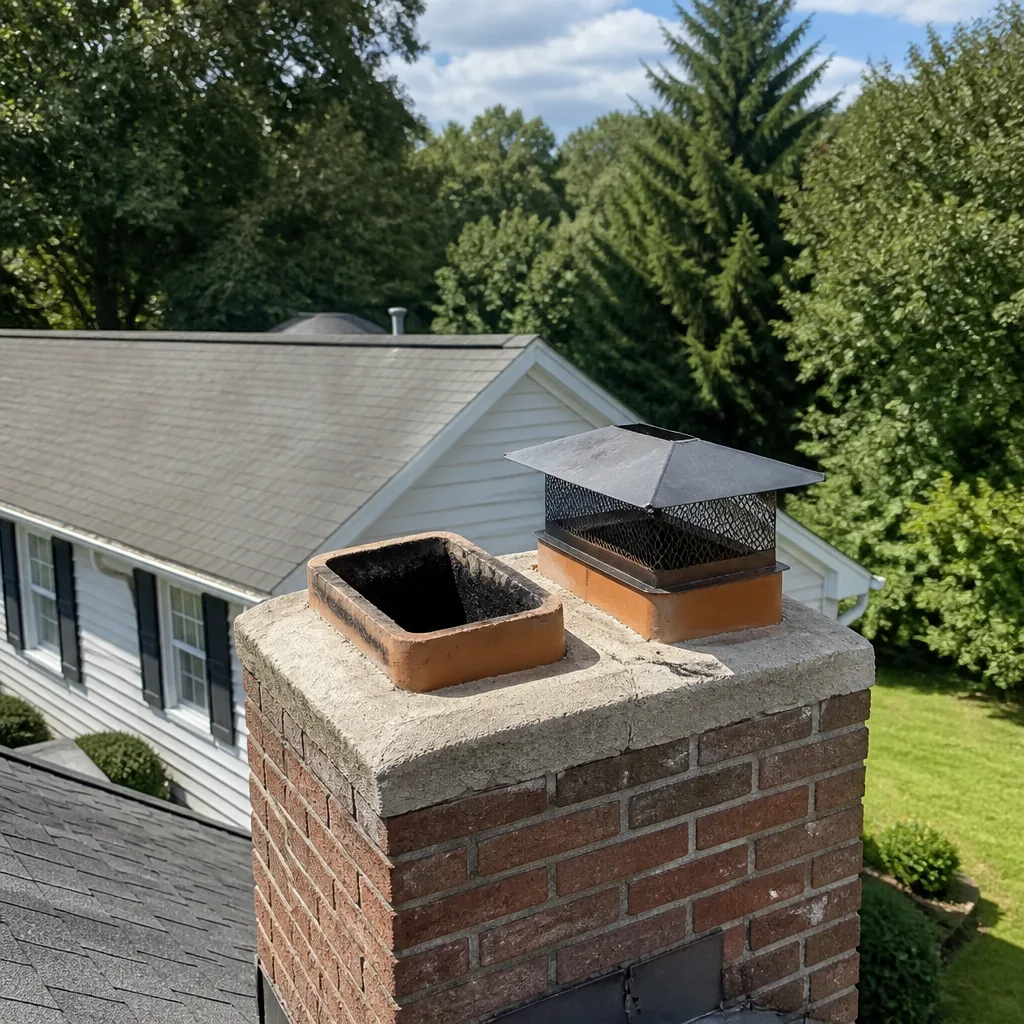
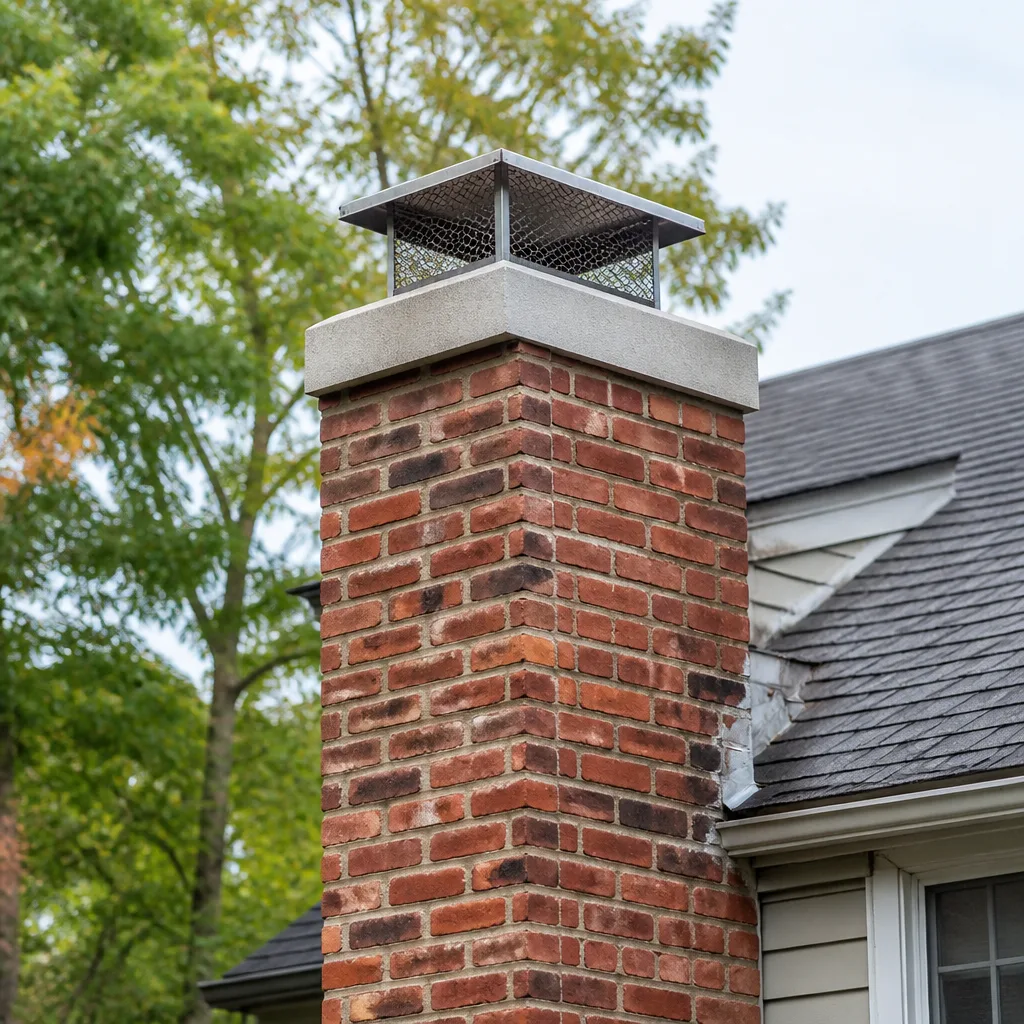
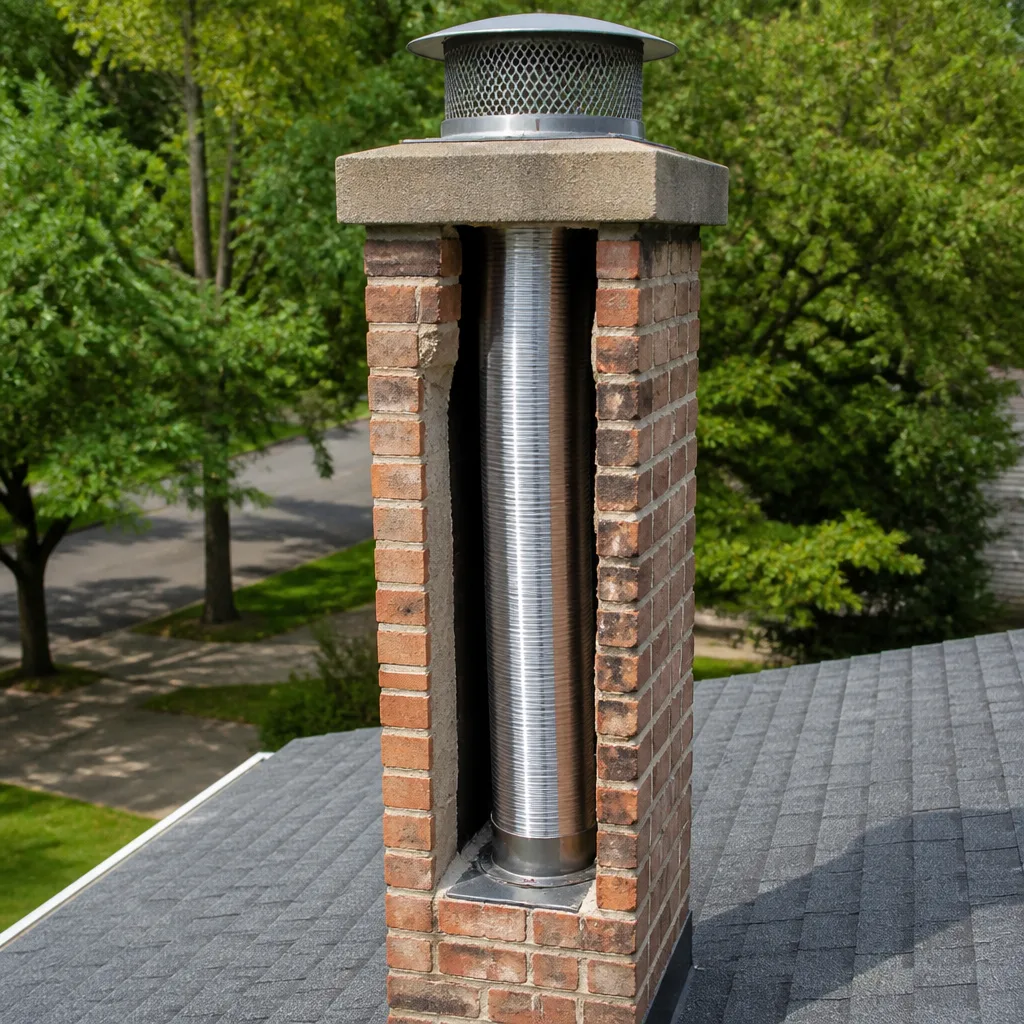
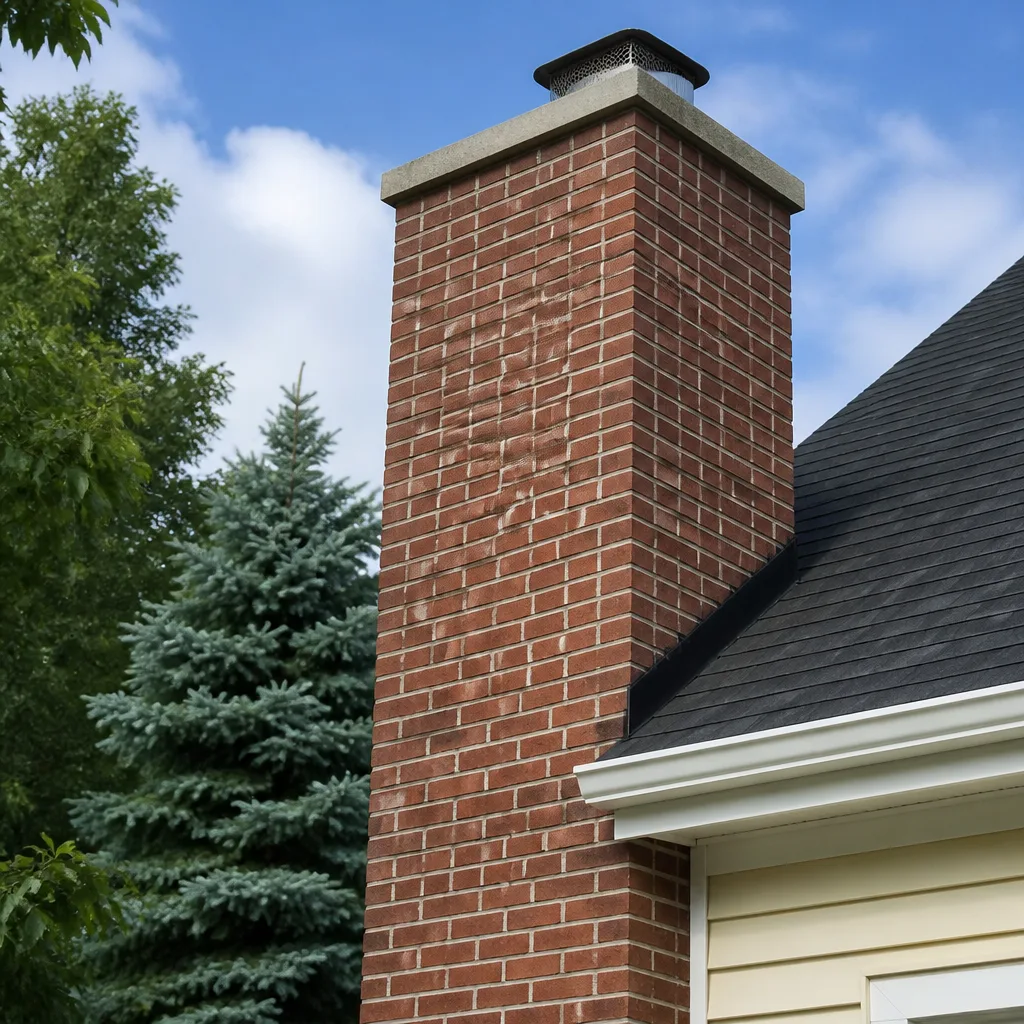
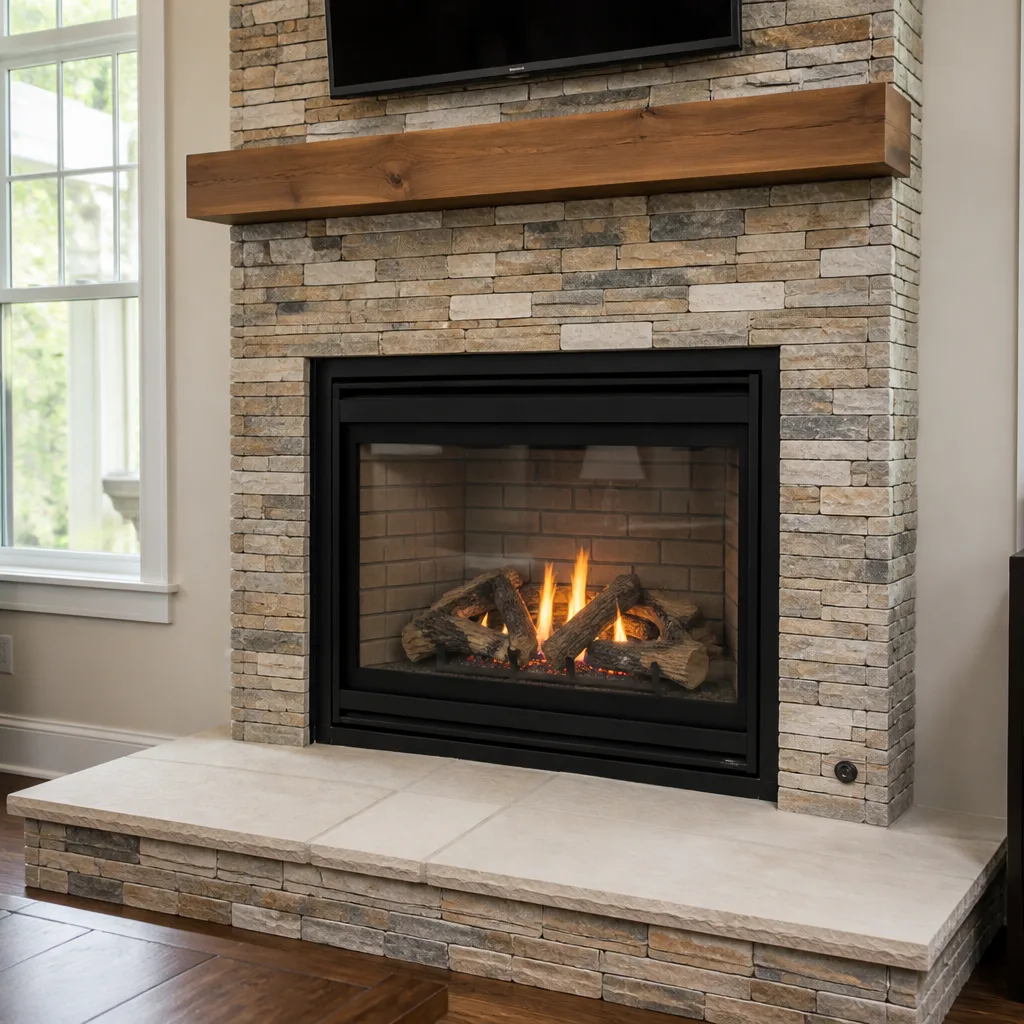
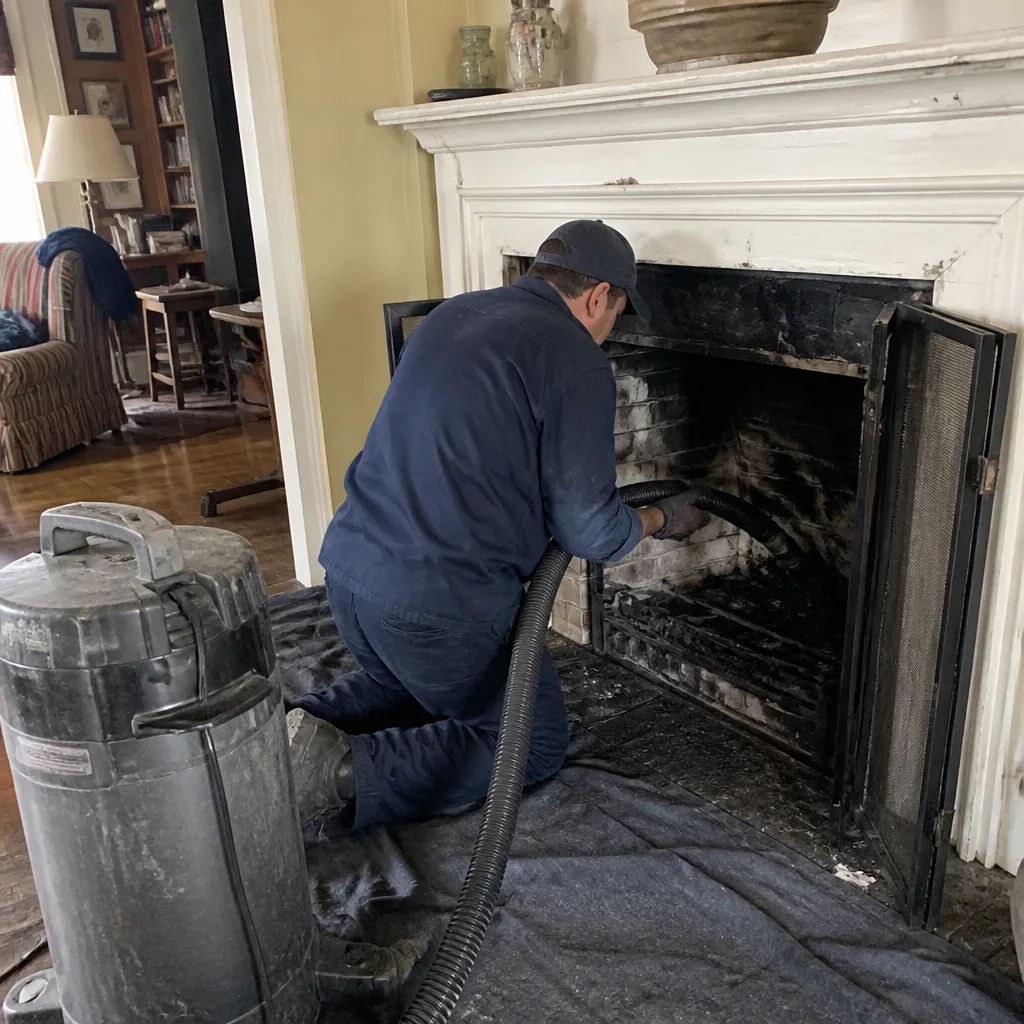 Before
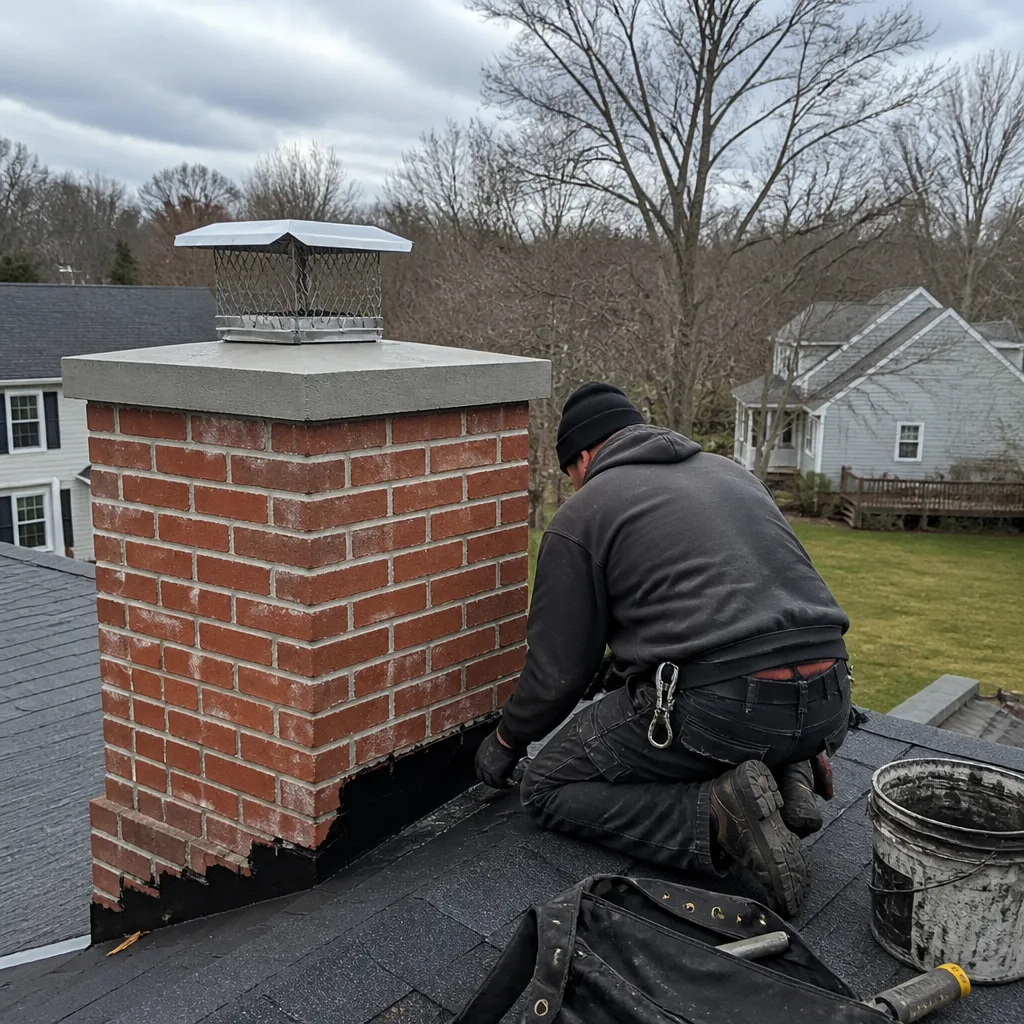 After
After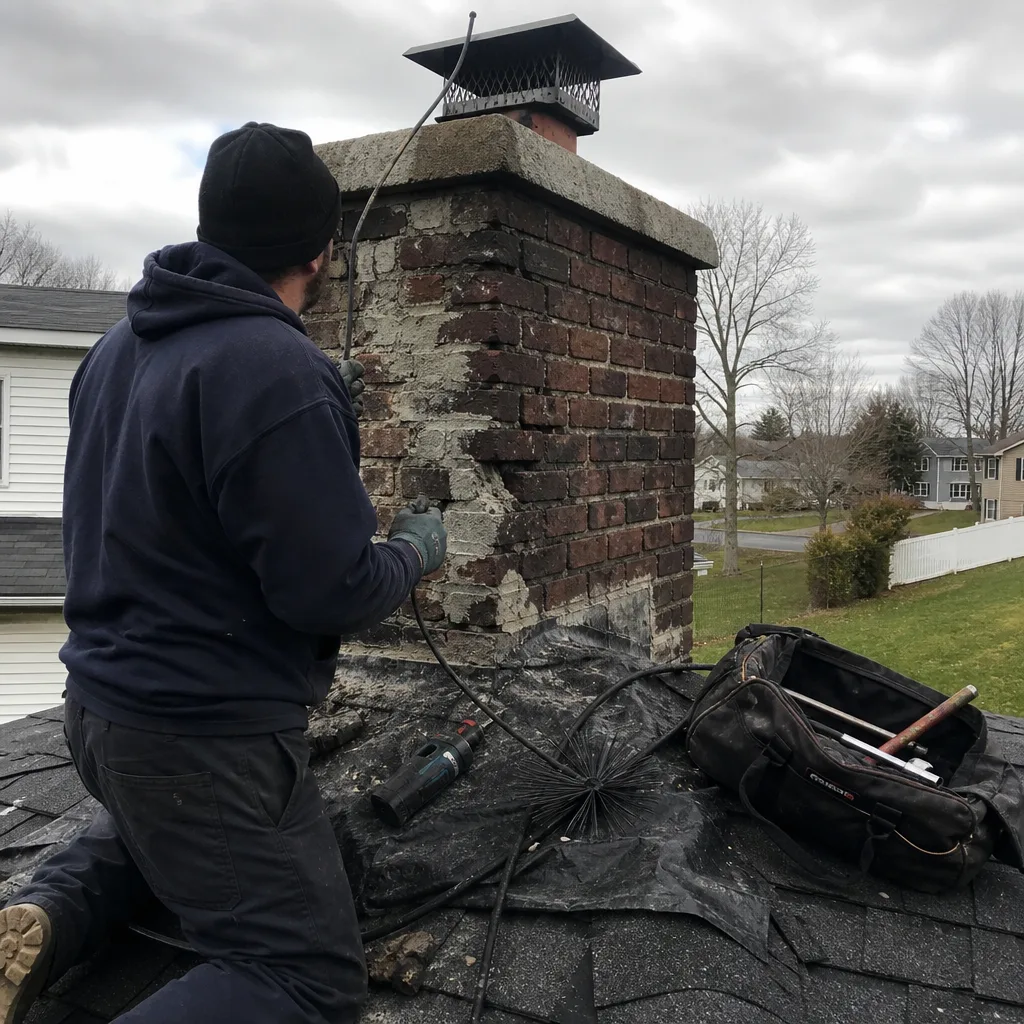 Before
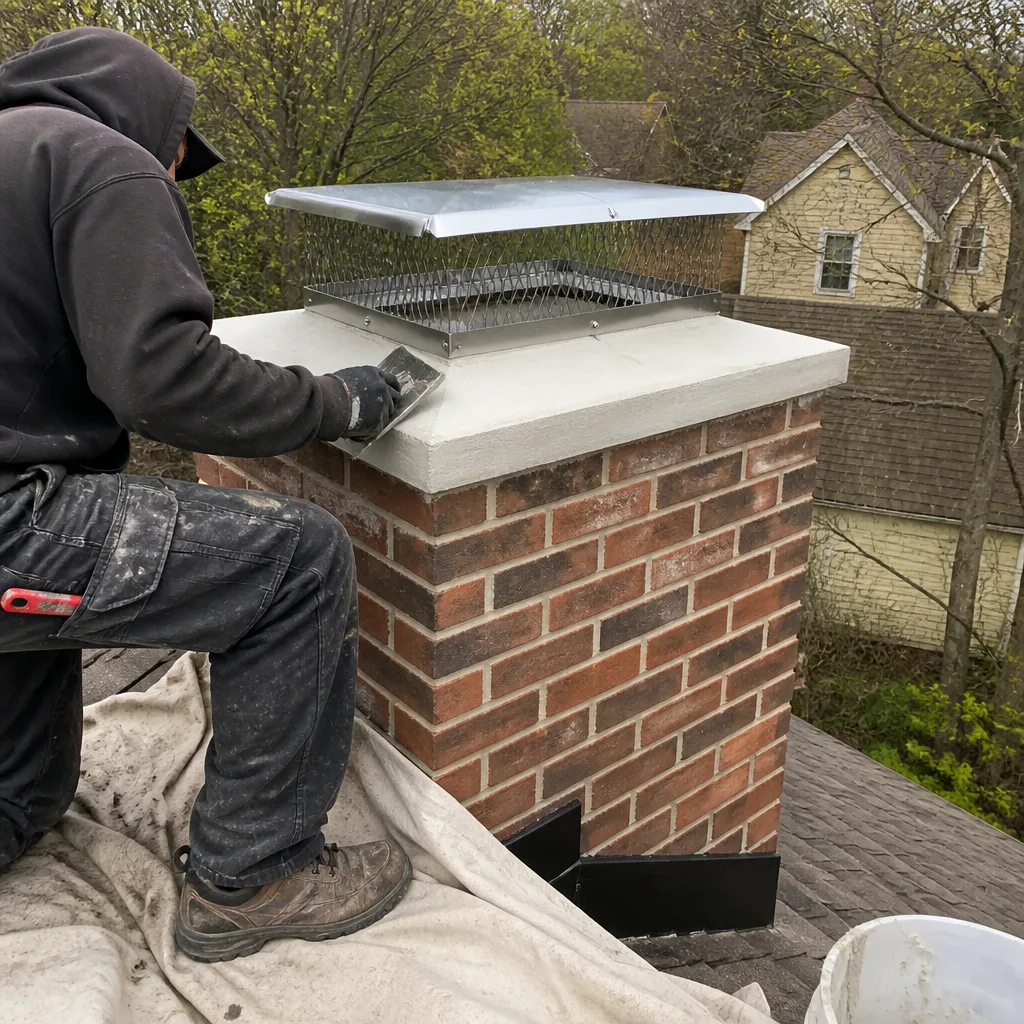 After
After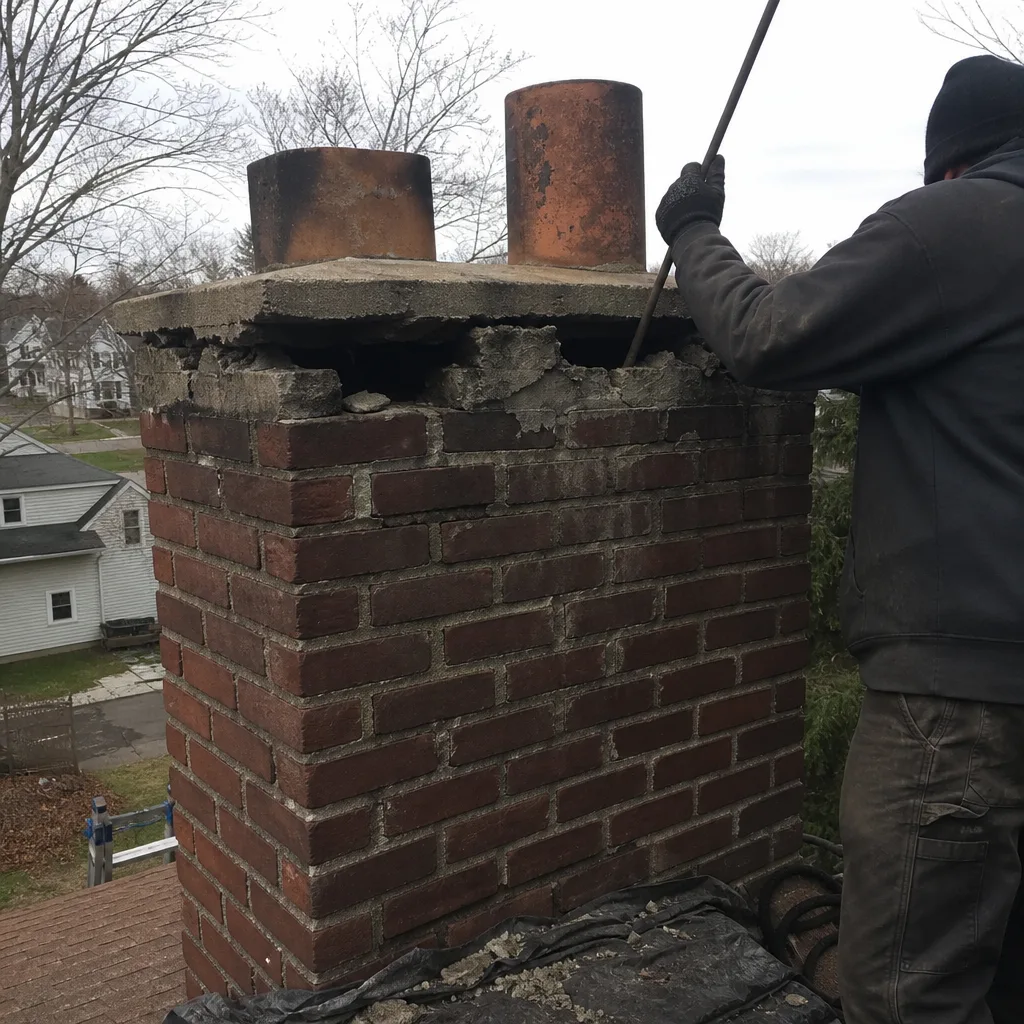 Before
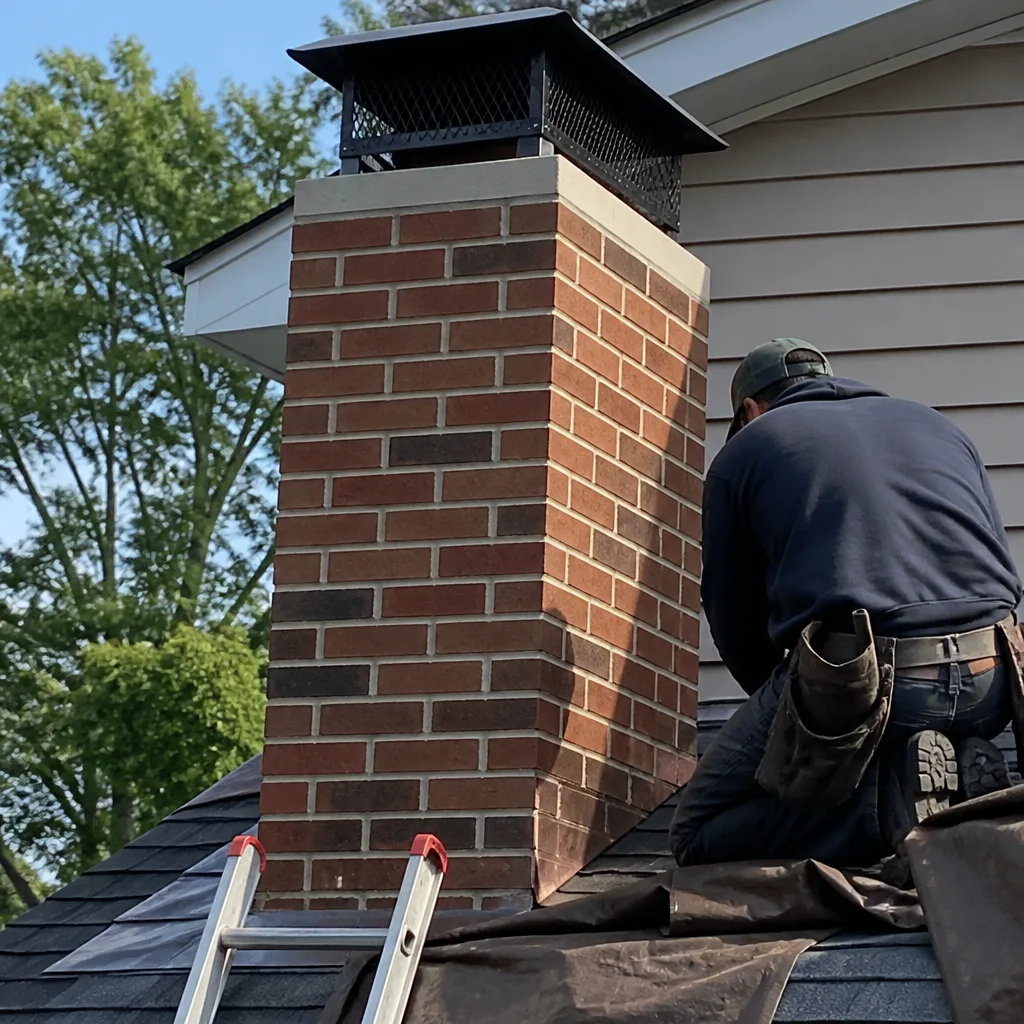 After
AfterChimney Cleaning Permits, Codes & Inspections in CT: What You Need to Know
Most Bristol homeowners assume a chimney sweep just climbs up with a brush and calls it a day. But Connecticut’s building code touches chimney work in ways that surprise people, and the real weight falls on what a sweep is legally obligated to tell you when something is wrong. A deteriorated liner isn’t just a repair recommendation in this state. Under certain conditions, it becomes a reporting obligation that can ripple into your homeowner’s insurance claim if nobody mentions it. This guide cuts through the code language and tells you what Connecticut’s rules actually mean for your house, your wallet, and your next fire.
Quick Answer
Chimney cleaning itself does not require a permit anywhere in Connecticut. Permits enter the picture when repairs go beyond routine sweeping, specifically liner replacement, masonry rebuilds, or structural changes to the flue. A Level 2 inspection, which uses a camera, is what Connecticut real estate transactions and insurance claims lean on most heavily, and in towns like Bristol, the building department expects documentation that matches what the contractor actually did.
Table of Contents
- When Connecticut Requires a Permit for Chimney Work
- What Connecticut’s Building Code Says About Chimneys
- Level 2 Inspections and Real Estate in Bristol
- What ‘Code Compliant’ Really Means
- Documentation to Keep After a Chimney Repair
- Common Mistakes to Avoid
- When to Call a Professional
- Frequently Asked Questions
When Connecticut Requires a Permit for Chimney Work
Here’s the line most homeowners don’t know: sweeping a chimney, removing creosote, and even a basic visual inspection are not regulated activities in Connecticut. No town building department in Bristol or anywhere else in the state will ask you for a permit before someone runs a brush up your flue. That’s the cleaning side, and it’s wide open.
But the moment work crosses into repair territory, the ground shifts. Connecticut follows the International Residential Code, which the state adopted with amendments. Under that framework, a building permit is required when chimney work involves:
- Replacing a flue liner, whether clay tile or stainless steel
- Rebuilding a chimney above the roofline
- Repointing masonry that affects structural integrity, not just cosmetic cracks
- Installing a new chimney crown or rebuilding the existing one
- Changing the size or shape of the flue opening
- Converting a fireplace from wood-burning to gas and rerouting the venting
What doesn’t need a permit: cleaning, level 1 or level 2 inspections, replacing a chimney cap, minor crown sealing with an elastomeric product, and small mortar repairs that don’t touch the structure. In our experience at Top Hat Chimney home, plenty of Bristol homeowners are surprised to learn their cap replacement sailed through without paperwork while their neighbor’s liner job pulled a permit and a two-week wait.
The person doing the permitted work matters too. Connecticut requires a licensed contractor for structural chimney repairs. A handyman without a home improvement contractor registration cannot pull a permit for a liner replacement. If someone offers to rebuild your crown for cash with no permit, that’s not a bargain. That’s a liability with your address on it.
What Connecticut’s Building Code Says About Chimneys
The Connecticut State Building Code adopts the IRC with state-specific amendments, and the chimney sections boil down to three practical concerns: clearance, liner condition, and venting. None of these require a code book to understand.
Clearance. The code specifies minimum distances between a chimney or connector pipe and combustible materials. For a masonry chimney with a standard clay liner, that’s typically 2 inches from the exterior of the chimney to any wood framing. For an unlined chimney, the number jumps to 4 inches, and for a single-wall connector pipe inside the home, it’s 18 inches. Bristol homes from the 1940s through the 1970s routinely miss these clearances, especially where chimneys pass through attic floors. The gap looks fine until you see charred framing from thirty years of heat transfer.
Liner condition. The code requires a flue liner that is intact, properly sized, and rated for the appliance it serves. Cracked clay tiles, missing mortar joints, or a liner that has separated in the middle is a code violation, regardless of whether the fireplace still draws smoke. This is where reporting obligations start to matter. A sweep who finds a failed liner during an inspection and says nothing has left you with a documentable problem you didn’t know about. If that liner later causes a chimney fire and your insurer asks when you knew, the answer becomes complicated.
Venting. Every fuel-burning appliance in the home, wood or gas, must vent through a properly sized, properly sloped flue. A water heater and a furnace sharing a flue with an oil-fired boiler is common in older Bristol homes, and the code has specific rules about combined venting that change when you swap appliances. Get the venting wrong and carbon monoxide becomes the houseguest nobody invited.
In practice, these code provisions mean something at your house or they don’t. A chimney that hasn’t been looked at in 10 years is far more likely to violate the clearance or liner rules than one that’s been swept and inspected annually. Once a year, burn or no burn. Chimneys break in the off-season too.
Level 2 Inspections and Real Estate in Bristol
A Level 2 inspection is what happens when a camera goes up the flue. The National Fire Protection Association defines three levels of inspection, and Level 2 is the one courts, insurers, and real estate contracts care about. It’s required any time a property changes hands, any time a new appliance is installed, and any time a chimney has survived a fire or an earthquake-sized weather event.
In Bristol, a home sale almost always triggers a Level 2 inspection, either because the buyer requests one or because the lender’s requirements force it. Buyers who waive the chimney inspection to make their offer look stronger are making a specific gamble. A failed clay liner in a 1960s split-level off Chippens Hill can run $4,000 to $8,000 to replace. A camera inspection costs a few hundred dollars. The math doesn’t reward skipping it.
What the Level 2 camera typically finds in Bristol homes:
- Separated clay tile liners at the first or second joint, often hidden from a visual check
- Cracked flue tiles from water damage or a past chimney fire the previous owner never mentioned
- Improper clearances in the attic, where basement renovations pushed framing closer to the flue
- Missing mortar between tiles that opens the chimney to heat transfer, known as a fireplace and chimney hazard
- A flue serving a gas appliance that was never relined for gas exhaust, a corrosion risk with heat exchangers
If you’re selling in Bristol, getting a Level 2 inspection before listing puts you ahead of the negotiation. You’ll know what a buyer’s inspector will find, and you can price the repair into the deal rather than losing leverage at the closing table. If you’re buying, don’t let anyone tell you the visual check from the hearth was enough. It wasn’t.
What ‘Code Compliant’ Really Means
A contractor invoices you for a liner replacement and writes “code compliant” at the bottom. What does that actually mean? Depends on who’s asking.
To the contractor, “code compliant” usually means the materials and installation meet the manufacturer’s specifications and the relevant IRC sections. The liner is the right size. The insulation wrap is installed. The top plate and cap are on. As far as the product goes, it’s compliant.
To the Bristol building department, code compliant means something else. It means a permit was pulled. An inspector looked at the work, or at least reviewed photos and signed off. The job has a certificate of completion on file. That’s the version that matters to an insurer after a chimney fire, or to a buyer’s attorney three years from now at closing.
The gap between those two versions is where homeowners in Connecticut get burned. A liner replacement done without a permit may be perfectly safe and properly installed. But it doesn’t exist in the town’s records. When your insurance company asks for proof the chimney was brought to code, your invoice with the words “code compliant” on it won’t carry the same weight as a building department sign-off.
Before you hire anyone for permitted chimney work in Bristol, ask one question: “Will you pull the permit in your name?” If the answer is anything other than yes, keep looking. A licensed contractor pulling a permit means the work gets inspected, the result gets recorded, and the liability sits with the person whose name is on the filing, not with you. Wendell Pike has been putting his name on Bristol chimney permits since 1999, and the town knows it.
Documentation to Keep After a Chimney Repair
Most homeowners stuff the receipt in a drawer and forget it until the day they sell the house or file an insurance claim. Here’s what actually matters to an insurer or a buyer’s attorney, and what you should have in a folder after any permitted chimney work in Connecticut:
- The building permit. The one with the permit number, the contractor’s name, and the scope of work. A copy of this proves the job was done under the town’s authority.
- The inspection sign-off. After the work is done, the Bristol building department issues a certificate or inspection record saying the chimney passed. This is the document insurers actually ask for.
- Photos of the work. Before, during, and after. Liner replacement photos showing the old cracked tile next to the new stainless liner are worth more than a hundred words if a claim is ever disputed.
- The contractor’s license and insurance certificate. In Connecticut, a home improvement contractor must be registered. Keep a copy of the registration at the time the work was done.
- The warranty. Whatever product was installed, whether it’s from Chimney Repair in Bristol or another outfit, the manufacturer’s warranty card plus the installer’s workmanship guarantee should live in the same folder.
If you had a liner replaced with a stainless product from Copperfield or DuraFlex, the manufacturer typically backs the material for a lifetime. But that warranty is only as good as the installation and the paperwork. In Bristol, where 50-year-old chimneys are common and home sales move fast, a complete chimney file can save you thousands at the negotiating table.
Common Mistakes to Avoid
- Assuming cleaning and repair are the same category. They aren’t. Sweeping needs no permit, structural repair does. Treating them the same gets homeowners in trouble with the town and their insurer.
- Skipping the Level 2 inspection on a home purchase. Bristol’s older housing stock carries hidden chimney problems, particularly separated clay liners that only a camera finds. The inspection costs a few hundred dollars. The repair costs several thousand.
- Hiring someone who won’t pull a permit. A contractor who says a liner replacement “doesn’t need a permit” in Bristol is either wrong or working outside the system. Either way, the risk lands on you.
- Keeping no paperwork. An invoice that says “code compliant” without a permit number and an inspection sign-off is not documentation. It’s a receipt.
- Ignoring a sweep’s verbal warning about a liner. If a professional tells you the liner is cracked and you do nothing, and then a chimney fire happens, your insurer may ask what you knew and when. The word “wait” becomes expensive.
- Treating a chimney cap as optional. Connecticut rain and freeze-thaw cycles eat away at exposed crowns and flue tops. A missing cap in a Bristol winter lets water in, and water is what kills masonry chimneys from the inside.
- Waiting for a problem to be visible. First-degree creosote is a brush job. Third-degree is a glaze, a chimney fire waiting for the right match. Catch it early.
When to Call a Professional
Call a sweep when you haven’t had one out in over a year, regardless of how much you’ve burned. Chimneys break in the off-season too, and water damage doesn’t stop because the fireplace is cold. Call when you smell smoke indoors after a fire, when you see white staining on the exterior brick, when you find pieces of tile at the bottom of the firebox, or when a guest in the living room asks if the fireplace always makes that sound. And call before you sell or buy a home in Bristol; the Level 2 inspection answer should come before the contract, not after. Fireplace Services in Bristol cover the full picture, from the box to the flue. Top Hat Chimney offers free estimates in Bristol, call (860) 743-7743.
Frequently Asked Questions
No. Routine chimney sweeping, creosote removal, and visual inspections do not require a permit in any Connecticut town, including Bristol. The permit requirement starts when the work becomes structural: liner replacement, masonry rebuilds, or crown reconstruction.
Once a year, burn or no burn. Even a fireplace that never sees a match still takes on water, hosts animals, and develops cracks through the freeze-thaw cycles of a Connecticut winter. A yearly sweep is the cheapest insurance against a chimney fire or a failed liner, and it’s what most insurers expect to see if a claim ever happens. For everything that goes into the process, read The Complete Guide to Chimney Cleaning in Bristol.
A Level 1 inspection is a visual check of readily accessible areas, done during a routine sweep without special equipment. A Level 2 inspection adds a camera scan of the full flue length, required for real estate transactions, appliance changes, and after a chimney fire. In Bristol real estate, the Level 2 is the standard that buyers and lenders actually rely on.
For a typical Bristol single-family home, a stainless steel liner replacement runs from $4,000 to $8,000 depending on flue height, access, and whether the old clay liner needs to be broken out first. A partial repair using a product like HeatShield or a narrower segment of liner can run less. The exact number depends on the camera findings, which is why any quote should follow a Level 2 inspection, not a guess from the curb. Call (860) 743-7743 for a free estimate and a straight answer.
Typically not for wear and tear. Insurance covers sudden, accidental damage like a lightning strike or a tree falling on the chimney. A cracked liner from age, water damage from missing mortar joints, or creosote buildup is maintenance, and that’s on the homeowner. What insurance does respond to is a chimney fire, and after one, an adjuster will ask for your inspection history and any permit documentation. If you don’t have it, the claim gets harder to win.
Ask for the camera footage. In Bristol, a legitimate sweep will show you the video of the cracked tile or separated joint before quoting a dime. If the answer is vague or the quote comes without a camera inspection, get a second opinion. Top Hat Chimney provides the camera footage and a plain-English verdict on every inspection, no exceptions. If the liner can safely wait, Wendell will tell you that too.
The Bottom Line
Connecticut’s code doesn’t require a permit to clean a chimney, but it does require one the moment the work turns structural, and that line is where Bristol homeowners get caught. Know the difference, insist on a permit when one is required, and keep the paperwork where you can find it. A Level 2 inspection with camera evidence is the single most useful document in a Connecticut home sale or insurance claim, and the few hundred dollars it costs is the best money you’ll spend on a house that burns wood. The rules sound technical until the day they’re applied to your address, your claim, or your closing. For more guides & resources, visit our blog. Then they’re just the difference between a problem caught and a problem paid for twice.
Still not sure what your chimney needs? Chimney Cleaning & Sweep in Bristol covers the basics, and a phone call costs you nothing. Top Hat Chimney answers live, around the clock, and Wendell will give you an honest read and an upfront price before any work begins. Call (860) 743-7743 today, especially if you can’t remember the last time someone looked at the flue.
Written by Wendell Pike, Owner at Top Hat Chimney, serving Bristol since 1999.