
Level 1 sweep and inspection to the NFPA 211 annual standard - flue, crown, cap, and flashing checked and photographed
Chimney sweep logs do not sweep chimneys. They loosen some creosote - which then falls where a brush and vacuum still have to collect it.
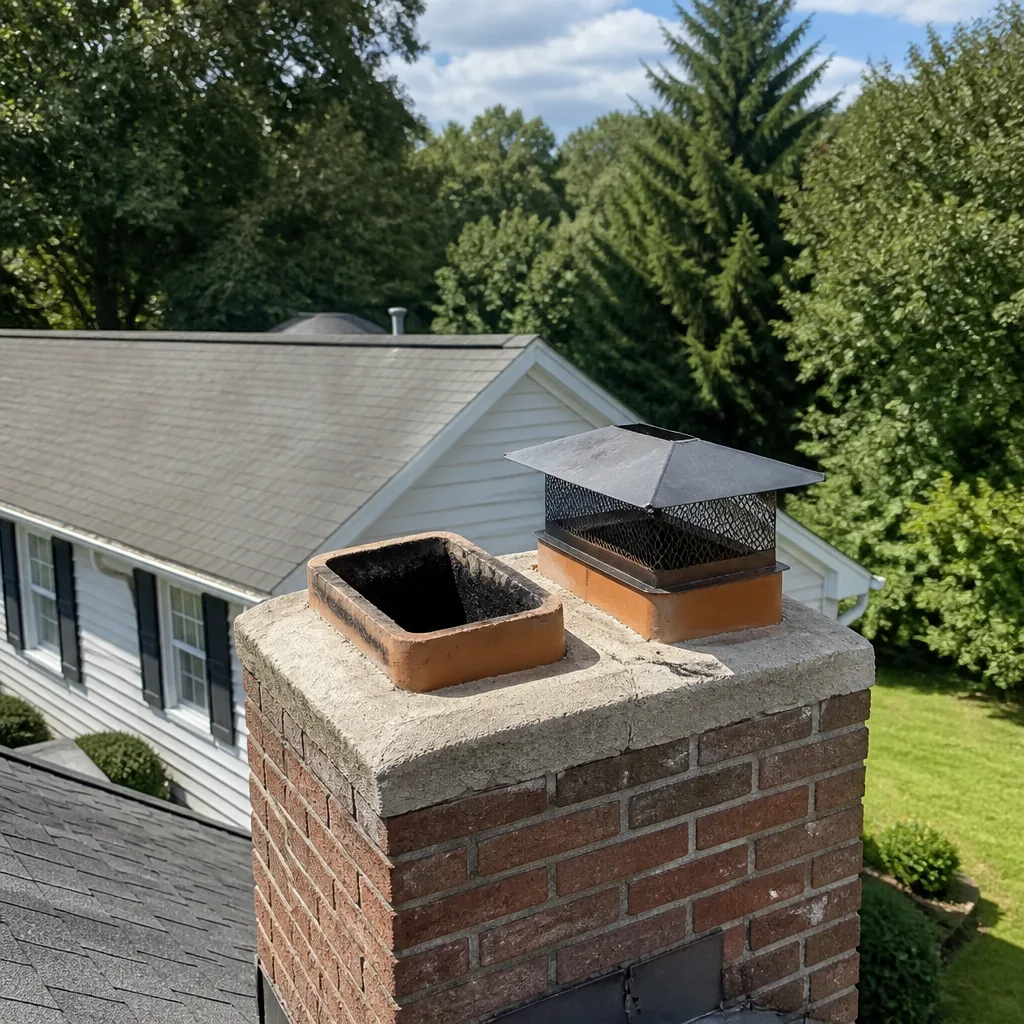
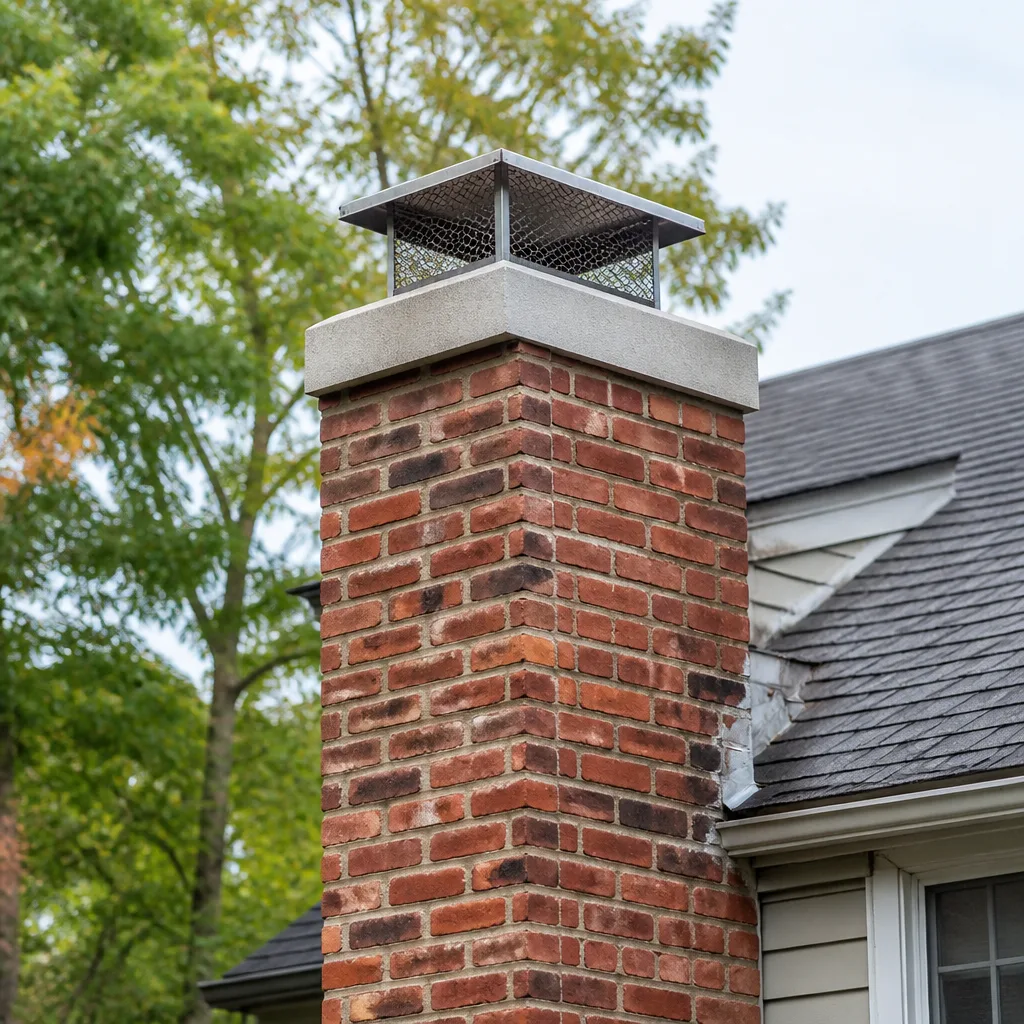
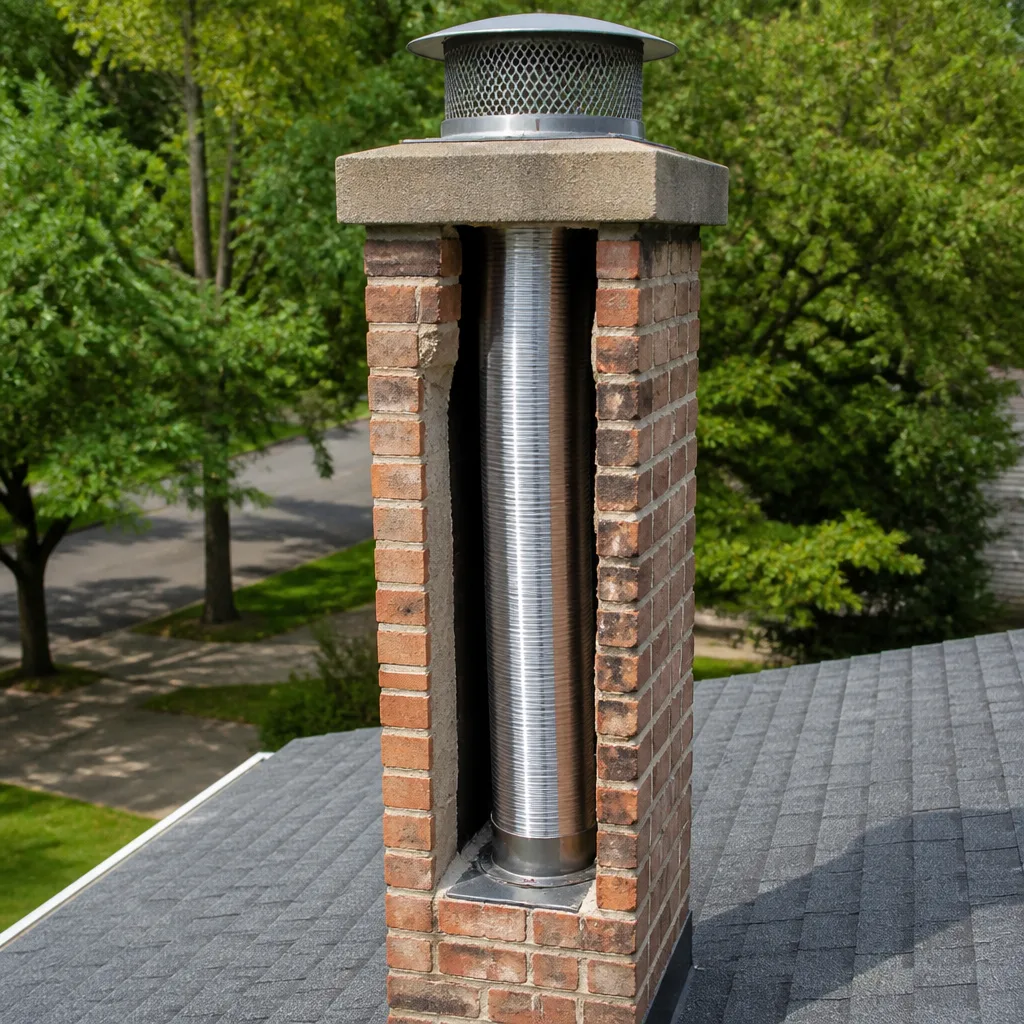
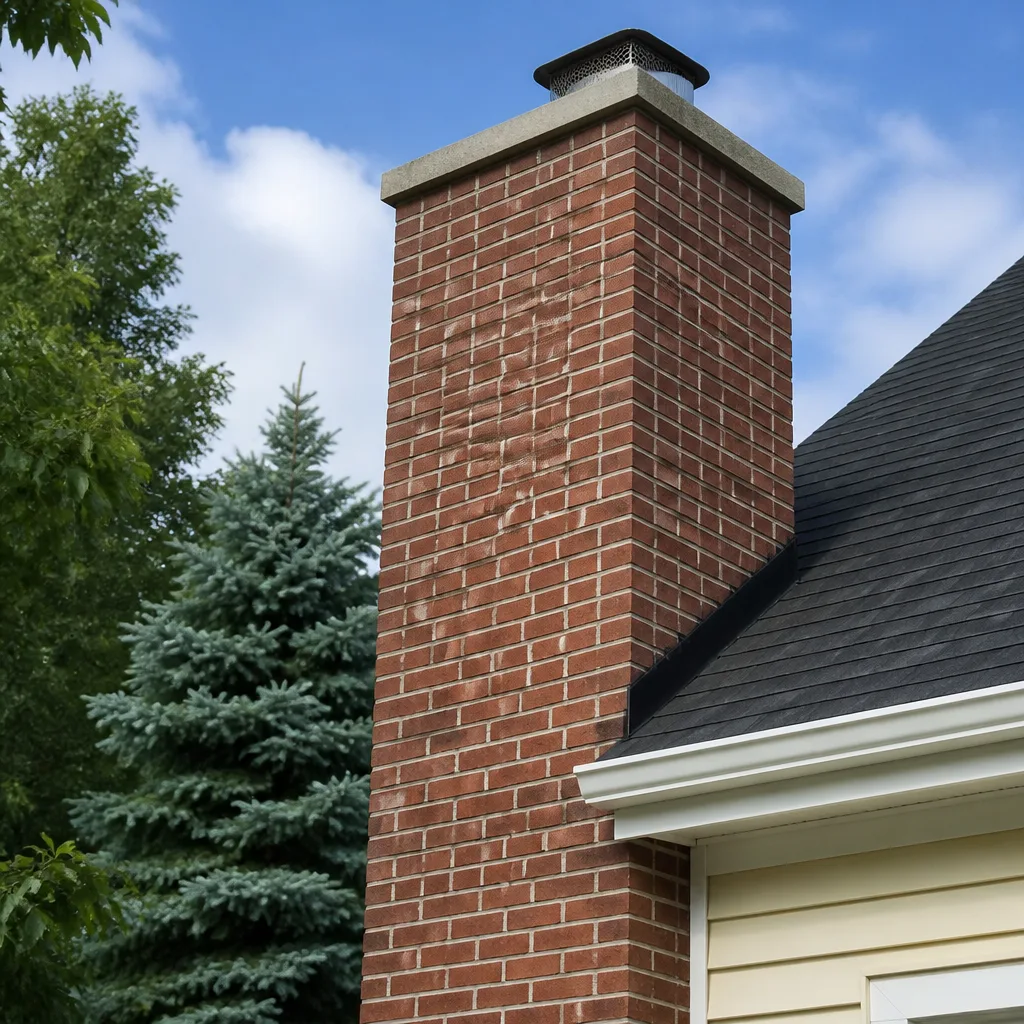
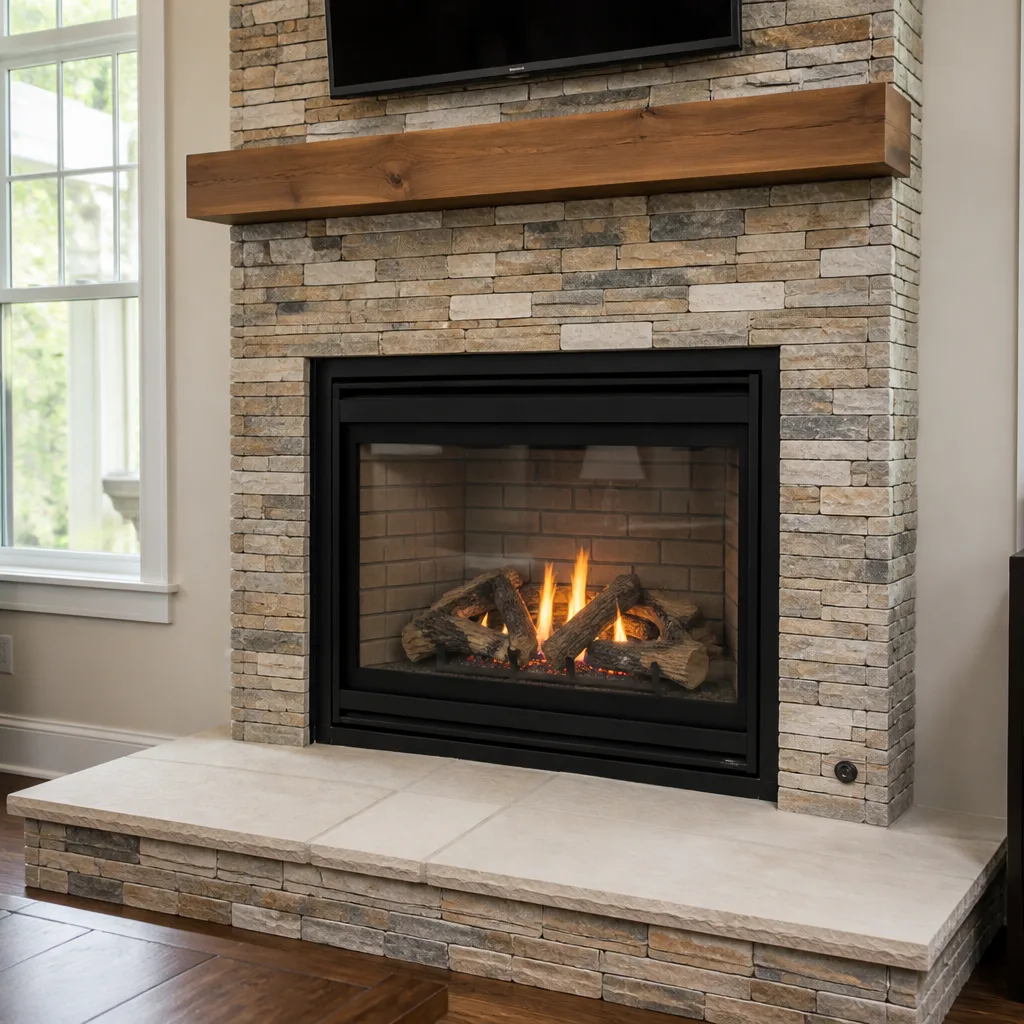
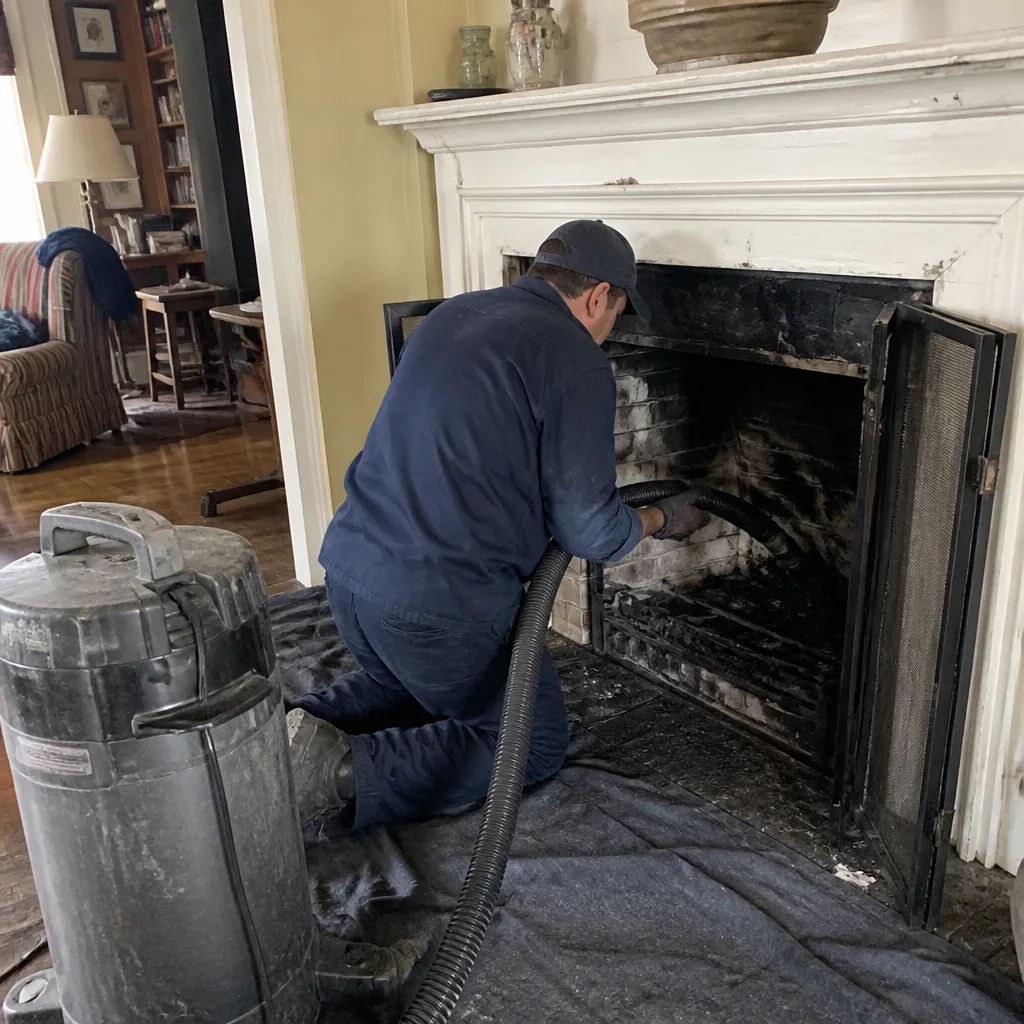 Before
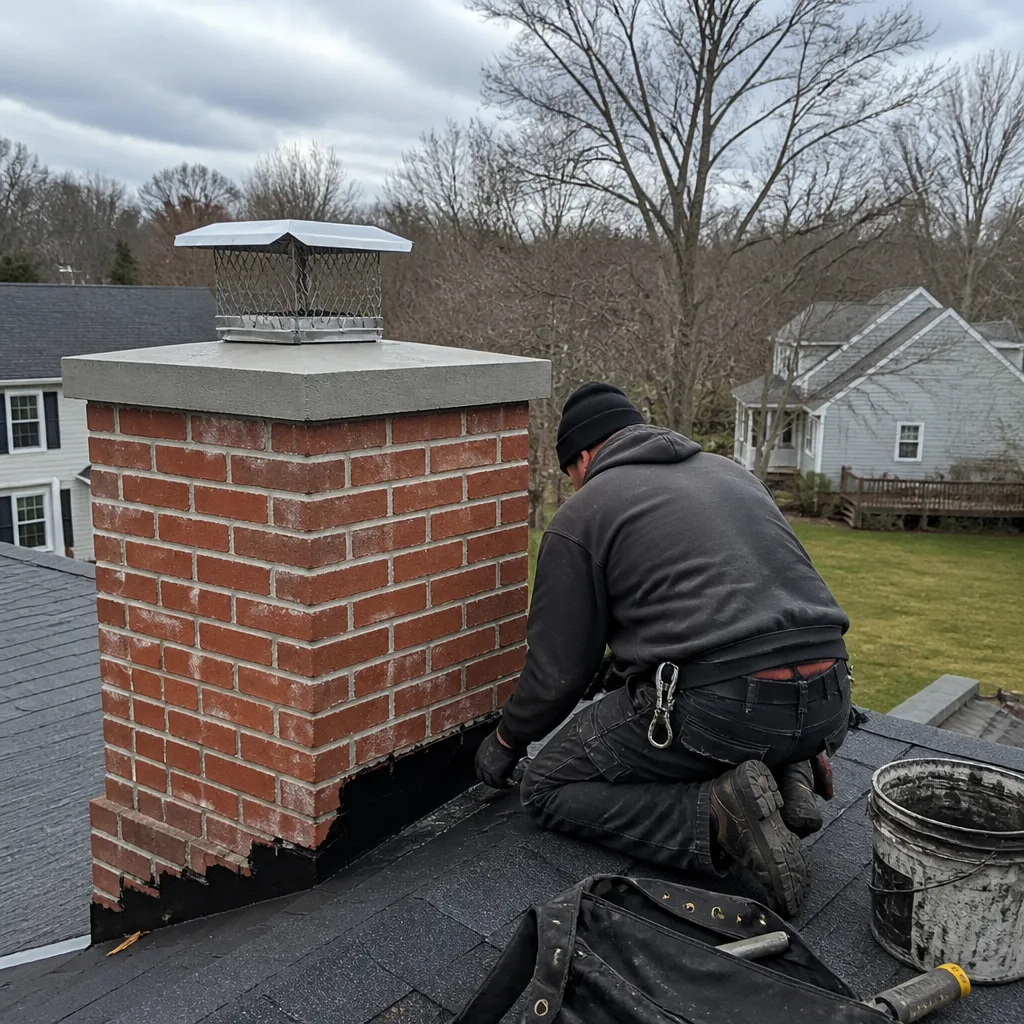 After
After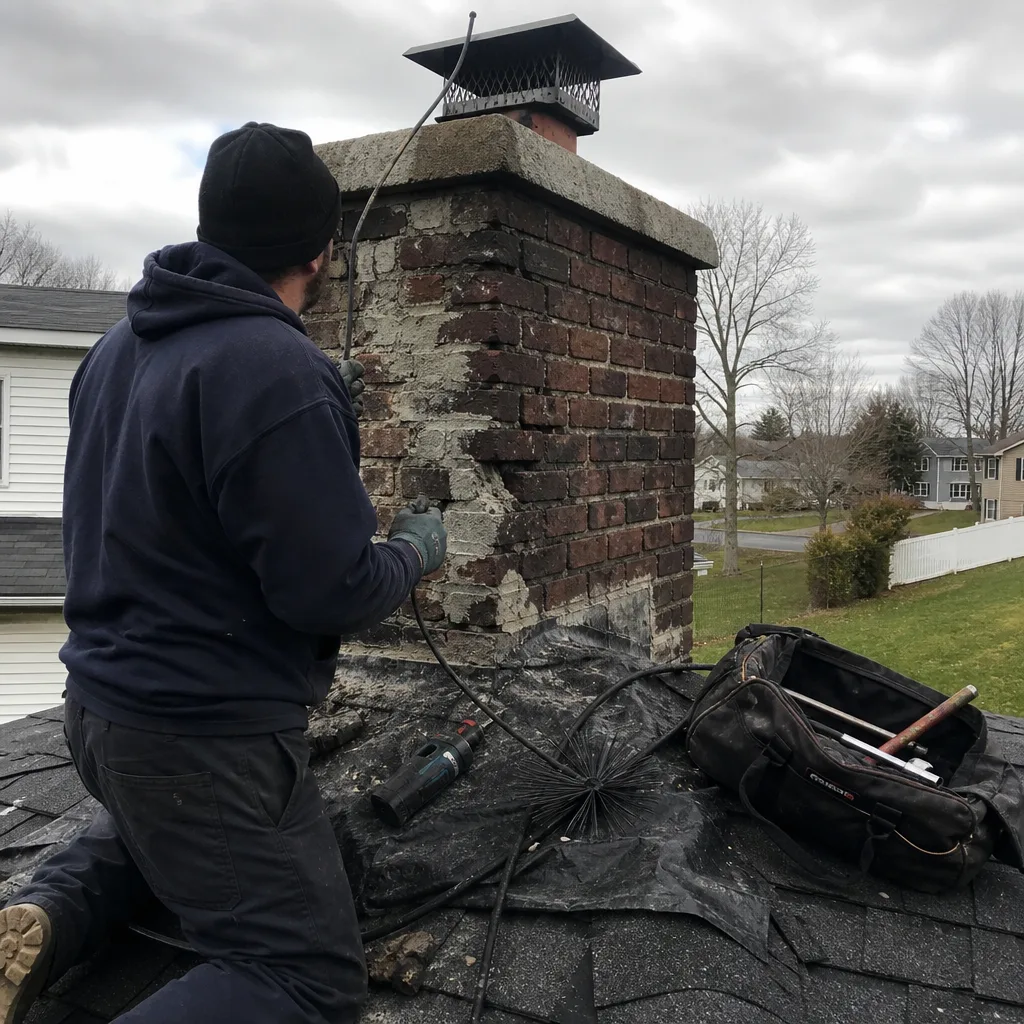 Before
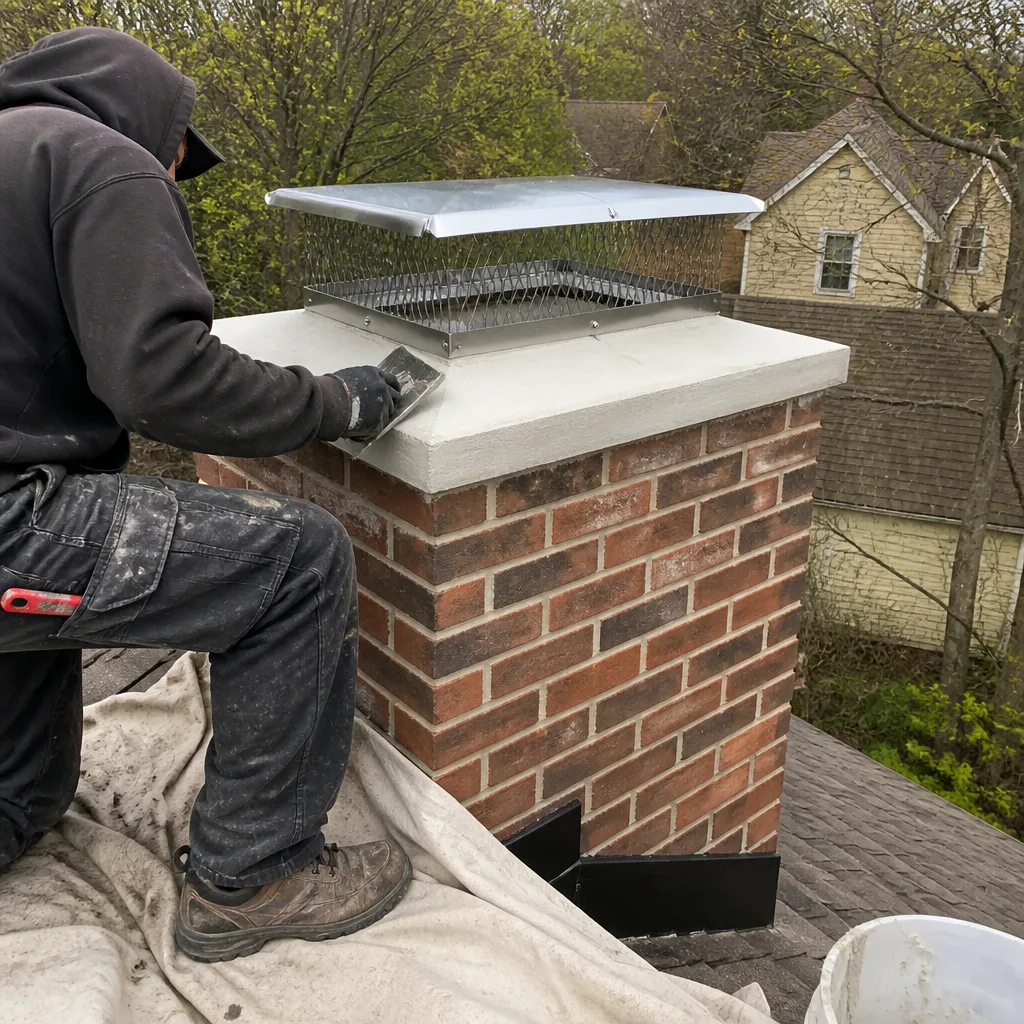 After
After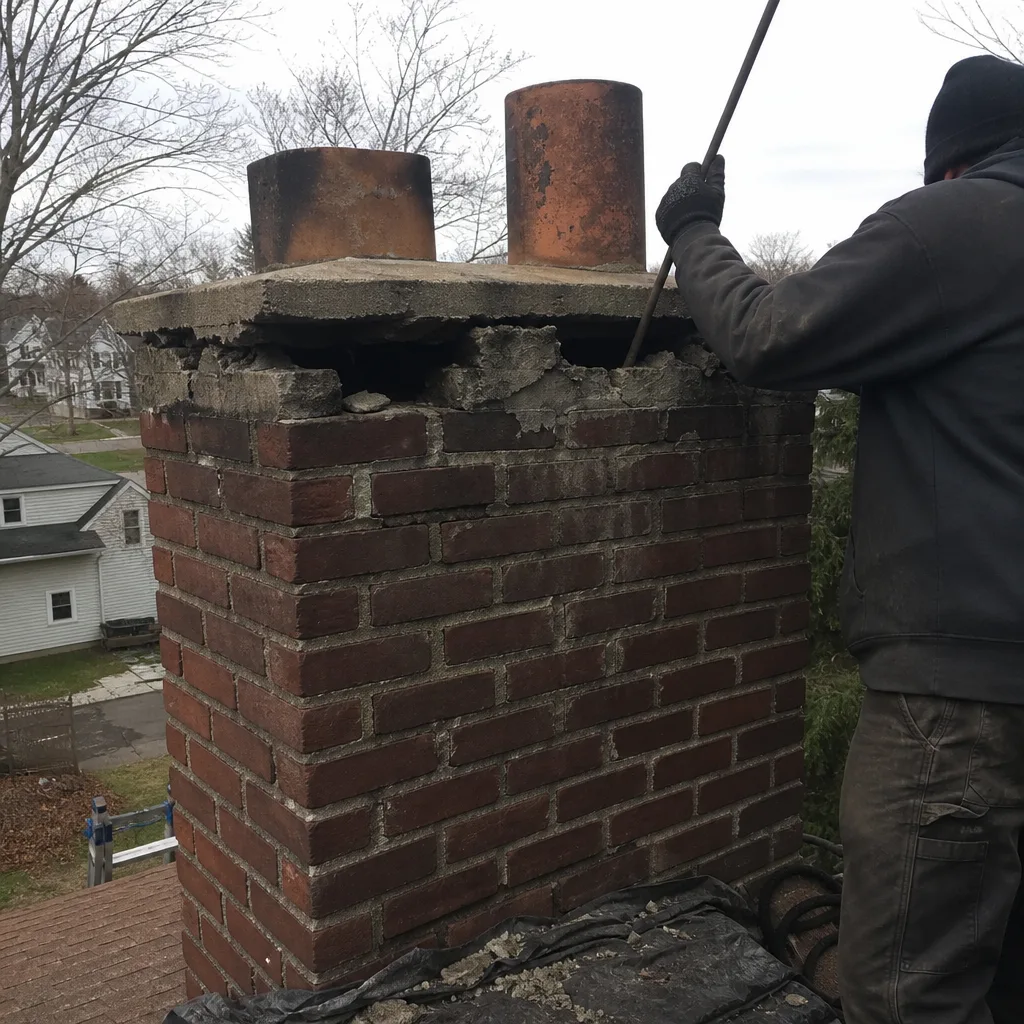 Before
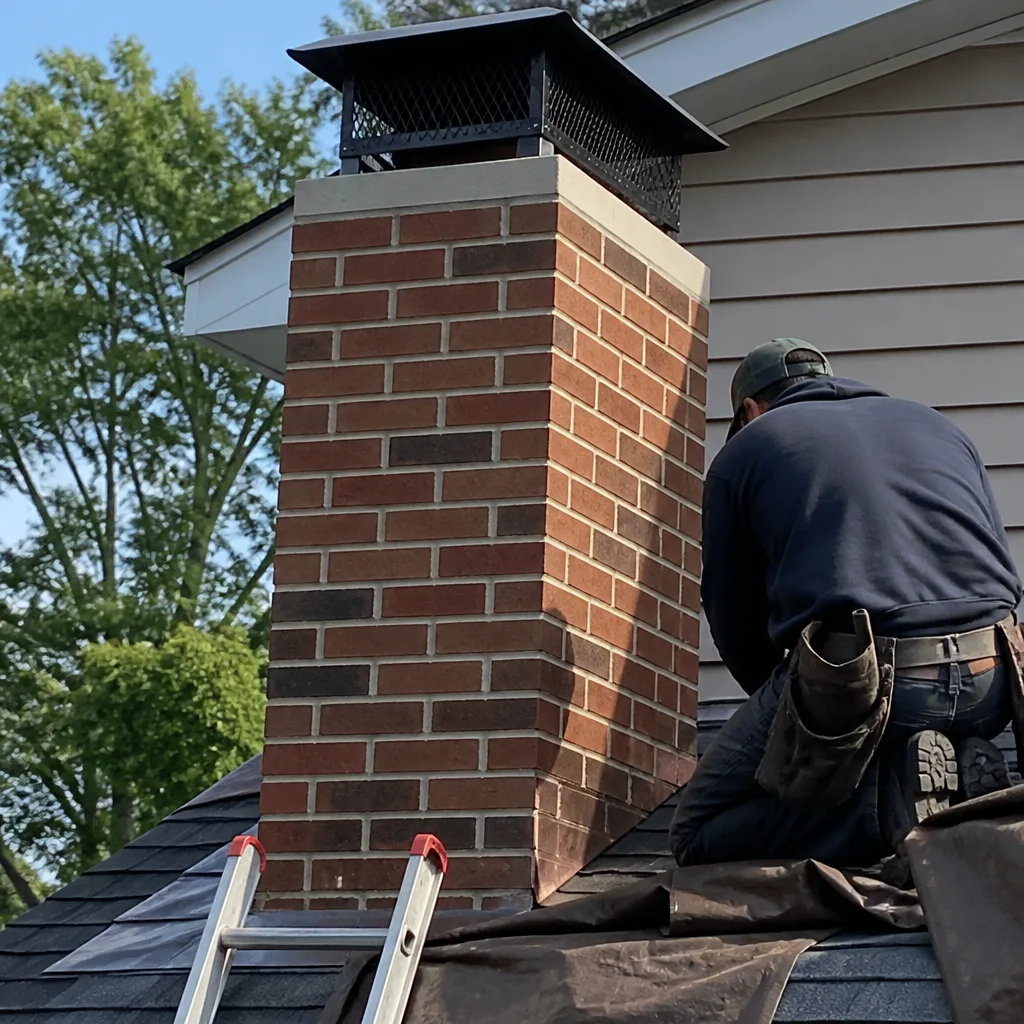 After
AfterHeatShield Chimney Cleaning in Bristol, CT | Top Hat Chimney
We provide independent HeatShield Bristol Chimney Cleaning & Sweep and ceramic liner service across the city, and the one thing that sets our work here apart is this: we’re not factory-affiliated, so we tell you what the camera shows, not what a manufacturer wants us to sell. HeatShield is a ceramic flue coating system, and in Bristol’s century-old chimneys, knowing when it works and when it’s failing takes more than a product manual. Call (860) 743-7743 and Wendell or his crew will give you a straight answer, even when the answer is that your chimney doesn’t need anything done.
Why Bristol Residents Choose Us for HeatShield Service
Wendell Pike has been working on Bristol chimneys since before HeatShield was a household word around here. He learned the trade at Southwestern College outside San Diego, then spent years in attics and fireboxes across Hartford County before Top Hat Chimney became what it is today. When a HeatShield-coated flue shows signs of trouble, we know whether it’s a product issue, an installation issue, or whether Chimney Repair in Bristol is what you actually need.
We’re the locally owned, owner-operated alternative to the national outfits that quote one price on the phone and another at the door. Wendell puts his name on every job and runs into you again at the hardware store on Saturday. We’re part of our HeatShield sales & service network serving central Connecticut, and we stock genuine HeatShield Cerfractory products so Bristol jobs don’t wait on a warehouse in another state. A live person answers every call, around the clock, and it may well be Wendell himself picking up.
Common HeatShield Chimney Cleaning Problems We Solve in Bristol
HeatShield is a good system when it’s applied to a sound flue. In Bristol, the flues are often anything but sound, and these are the failures we see most:
- Cerfractory sealant cracking along original clay-tile mortar joints. Bristol’s Forestville and factory-corridor homes were built for coal, converted to oil, then converted again to gas. Those clay tiles expand and contract at a different rate than the ceramic coating, and a hard January freeze after a thaw will split the sealant right along the old joint lines.
- Joint repair failure from moisture behind the liner. When spalled brick or deteriorated mortar sits behind a HeatShield coating, freeze-thaw cycling pushes trapped moisture against the ceramic and it comes off in sheets. We see this on older Bristol chimneys with worn-out crowns every spring.
- Resurfacing delaminating from sulfur-pitted clay tiles. Decades of coal exhaust leaves clay tiles pitted and acidic. HeatShield resurfacing doesn’t always bond to that surface, and pinhole leaks form where the coating lets go. CO detectors start going off for no reason the homeowner can figure out.
- Eco/Green sealant thinning on chimneys with chronic draft problems. Bristol’s hillier terrain toward the Burlington line creates inconsistent flue draft, and a chimney that can’t hold a steady draft will draw acidic condensate back down the liner. That eats away at the Eco/Green formulation faster than it should.
- Creosote buildup on top of an older HeatShield application. Even a properly coated flue still needs cleaning. In Bristol’s worker cottages where fireplaces get used hard from October through March, first-degree creosote turns to third-degree glaze faster than most people think. Once a year, burn or no burn.
HeatShield Service in Bristol: What Local Conditions Mean for Your Equipment
Bristol’s identity as a precision-manufacturing hub for clocks, springs, and hardware drove a construction boom of modest worker housing between roughly 1890 and 1930. That left this city with a dense concentration of 100-year-old masonry chimneys, and here’s what most people don’t know: many of those stacks were built for coal-fired systems, then converted to oil, and sometimes again to gas. Three fuel generations in one flue. The liner that made sense for coal in 1910 is undersized for a modern gas boiler, and the acidic condensate from gas exhaust attacks whatever is left of the clay tile and the mortar holding it together. Forestville has the highest concentration of these triple-fuel chimneys in central Connecticut, and HeatShield is the only ceramic coating we’ve seen hold up to the acidic condensate those mixed-fuel flues produce. That’s why we push camera inspections before any cleaning on those streets. You need to know what’s actually inside that flue before anyone touches it with a brush.
HeatShield Models & Products We Service in Bristol
We work with the full HeatShield product line: the Cerfractory Flue Sealant, the Joint Repair System, the Resurfacing System, and the Eco/Green Sealant. Every application uses genuine HeatShield Cerfractory material, never an aftermarket ceramic, because the expansion rate is matched to clay-tile liners. That matters in Bristol’s freeze-thaw climate more than anywhere else in Hartford County. We stock the common products locally so most Bristol jobs don’t wait on shipping, and we’ll recommend HeatShield restoration over a full stainless reline whenever the underlying masonry is sound. But we will not coat a liner that has collapsed or is structurally unsafe. Replacement is cheaper in the long run than repeated patch jobs, and Wendell will tell you that straight.
HeatShield Service Pricing in Bristol
HeatShield service in Bristol generally runs between $150 and $350 for a cleaning, depending on the flue’s condition and how much creosote has built up. A Level 2 camera inspection typically adds $100 to $250, and it’s included when you need a written assessment for insurance or a real estate closing. If the flue needs HeatShield repair or resurfacing, costs range widely based on what the camera shows and how much of the liner is involved. We give you upfront pricing before a single tool comes off the truck, and the number you hear on the phone is the number on the invoice. $40 off any repair over $200, 10% off always for seniors and veterans. Call (860) 743-7743 and we’ll give you an exact figure for your chimney.
Serving Bristol, CT - Our Local Coverage Area
We’re based in the Bristol area and know this community well. Use the map below to see our service coverage - if you’re nearby, we can almost certainly help.
FAQs - HeatShield Chimney Cleaning in Bristol
Because the original clay-tile liners beneath them were built for coal, and many Bristol chimneys have been through three fuel conversions since. The clay tiles shift and expand at a different rate than the ceramic coating during hard freezes, and the coating cracks along the old mortar joints. It’s not always an installation error; it’s often the chimney itself moving the way 100-year-old masonry does.
Yes, and in Bristol it’s one of the few coatings that holds up to the acidic condensate those mixed-fuel flues produce. But the underlying clay tiles and mortar need to be sound first. We camera-inspect before we coat anything, and if the liner has collapsed or shifted, HeatShield won’t fix it. Call (860) 743-7743 for an inspection and we’ll show you the footage.
You look for the signs from inside the house. A smoky smell on windy days, CO detector chirps you can’t explain, or visible moisture staining on the chimney breast. Those are the same signals we followed in a Forestville two-family on Church Street last January, a 1912 worker cottage with a HeatShield joint repair that had cracked along a shifted clay tile. The homeowner never saw the damage; the camera did. We cleaned the flue, removed the loose ceramic, recoated the joint with fresh HeatShield Cerfractory, and verified the seal with a second camera pass before the first hard freeze. Call (860) 743-7743 and we’ll do the same for you.
It depends on the chimney. If the masonry is sound and the clay tile is intact but showing age, HeatShield restoration is usually the better value, especially in Forestville’s triple-fuel flues where the ceramic handles acidic condensate well. If the tile has collapsed or the masonry is failing, a stainless liner is the honest answer. We’ll tell you which one your chimney needs after a camera pass, and we’ll show you the footage so you can see it yourself. Estimates are free at (860) 743-7743.
Bristol’s hillier terrain toward the Burlington and Wolcott borders creates inconsistent flue draft that no coating will fix on its own. The draft reversal is structural, not a product failure. The fix is usually a chimney cap, a taller flue, or some masonry work around the top of the stack. We’ll figure out which one applies to your house. Call (860) 743-7743.
Service Areas Near Bristol
We serve Bristol and the surrounding central Connecticut towns. If you’re in HeatShield service in Hartford or HeatShield service in West Hartford, we make the drive regularly. We also cover New Britain, Southington, Newington, and the smaller roads in between. If you’re not sure whether we come to your street, call (860) 743-7743 and ask. We probably do. Check our full Bristol service area map if you want to see it in writing.
Book Your HeatShield Service in Bristol Today
If your Bristol chimney has a HeatShield coating that’s showing its age, or you’re not sure what’s inside that flue at all, call (860) 743-7743. Wendell or a member of his crew will answer, give you a straight quote, and schedule a time that works for you. If it needs doing, we will do it right. If it does not, we’ll tell you that instead. Every job is backed by our 90-Day Done Right Promise in writing.
Written by Wendell Pike, Owner at Top Hat Chimney, serving Bristol since 1999.