
Last updated September 10, 2026
Level 1 sweep and inspection to the NFPA 211 annual standard - flue, crown, cap, and flashing checked and photographed
Chimney sweep logs do not sweep chimneys. They loosen some creosote - which then falls where a brush and vacuum still have to collect it.
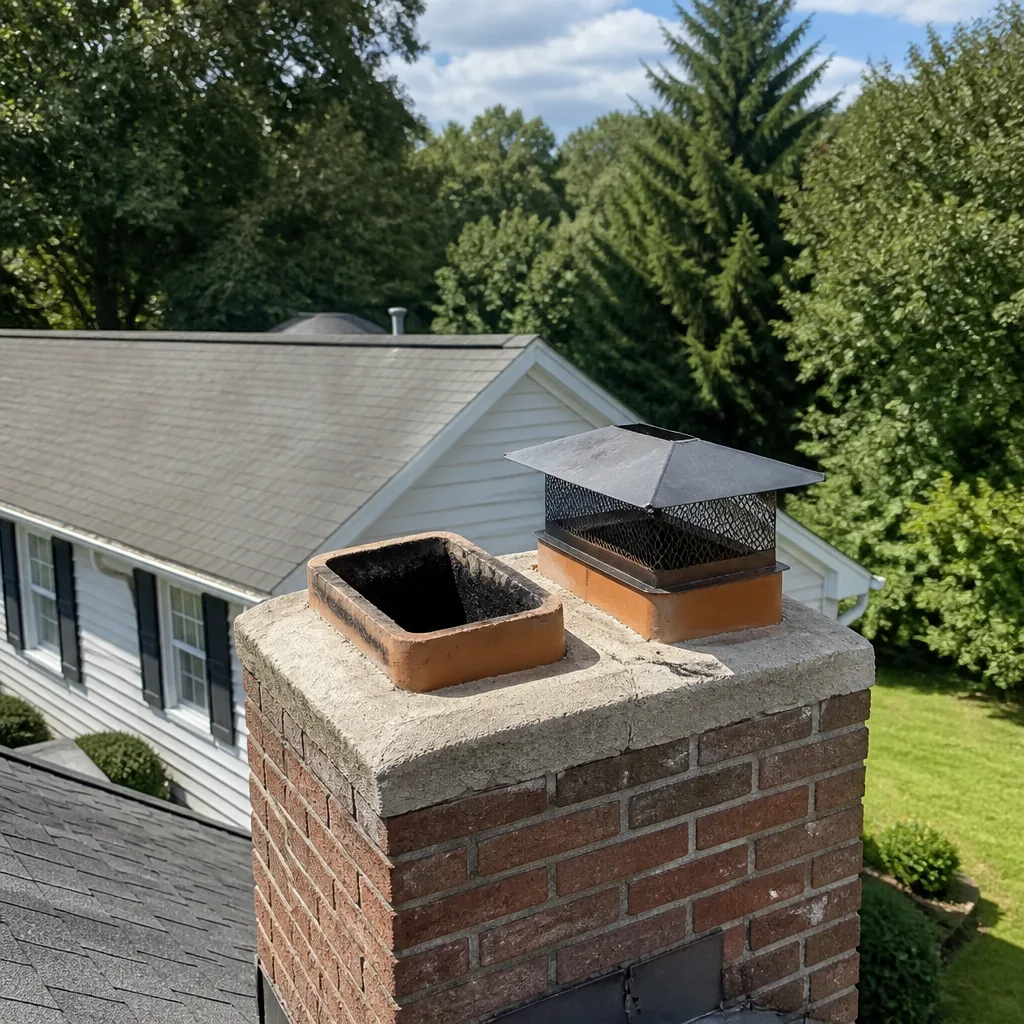
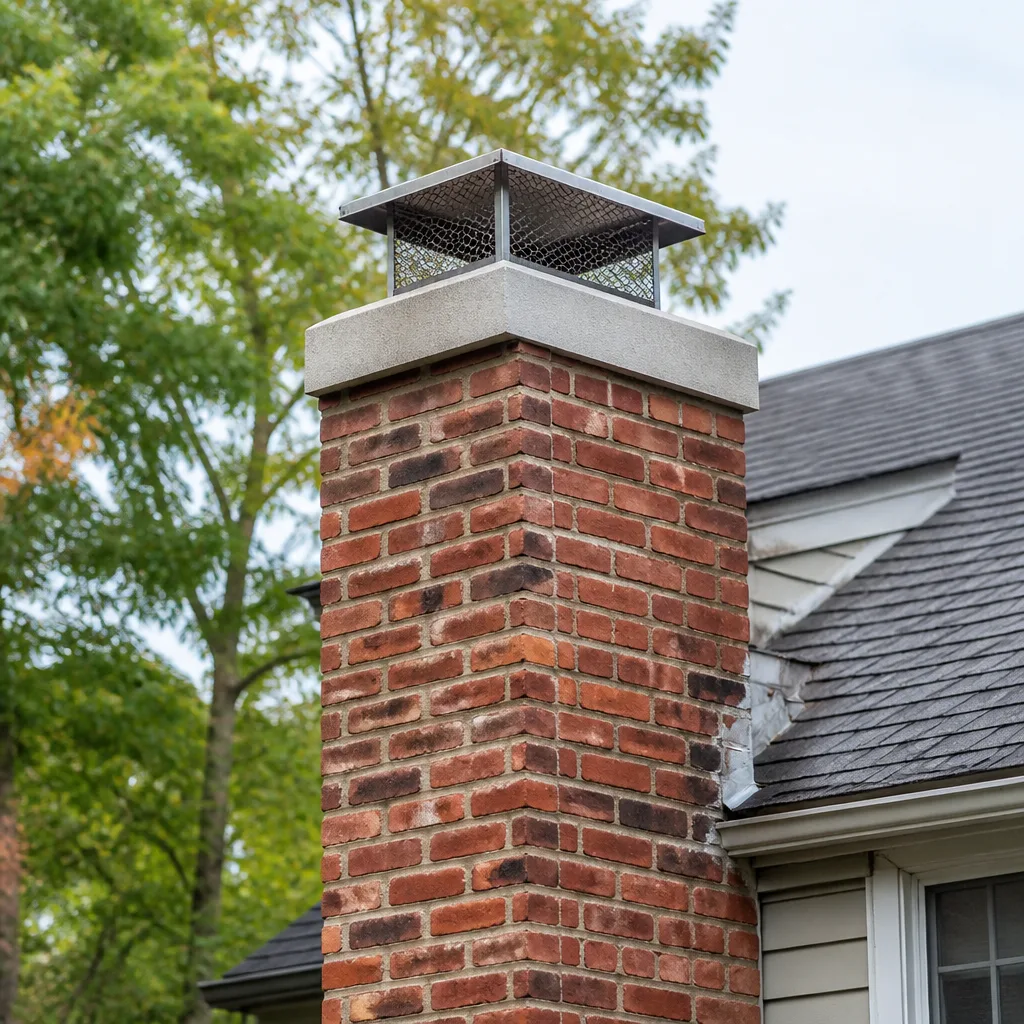
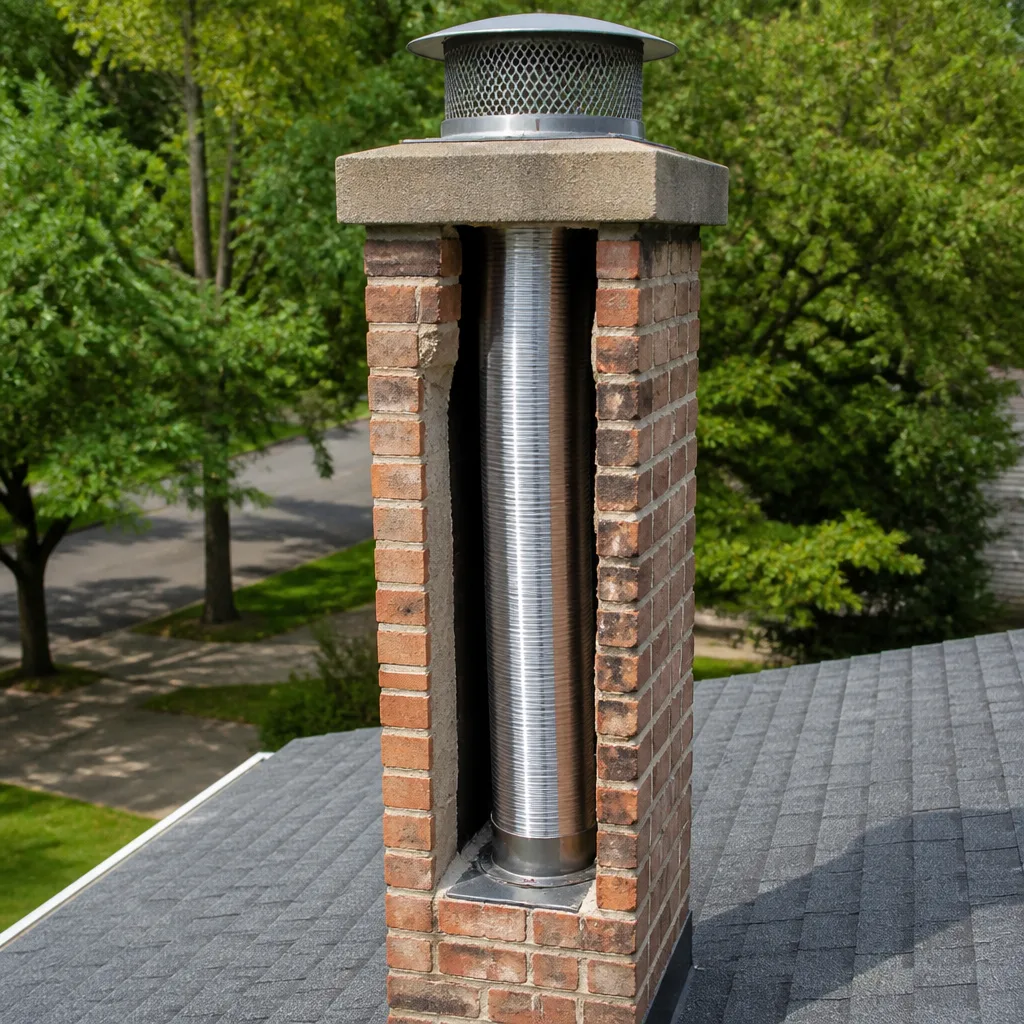
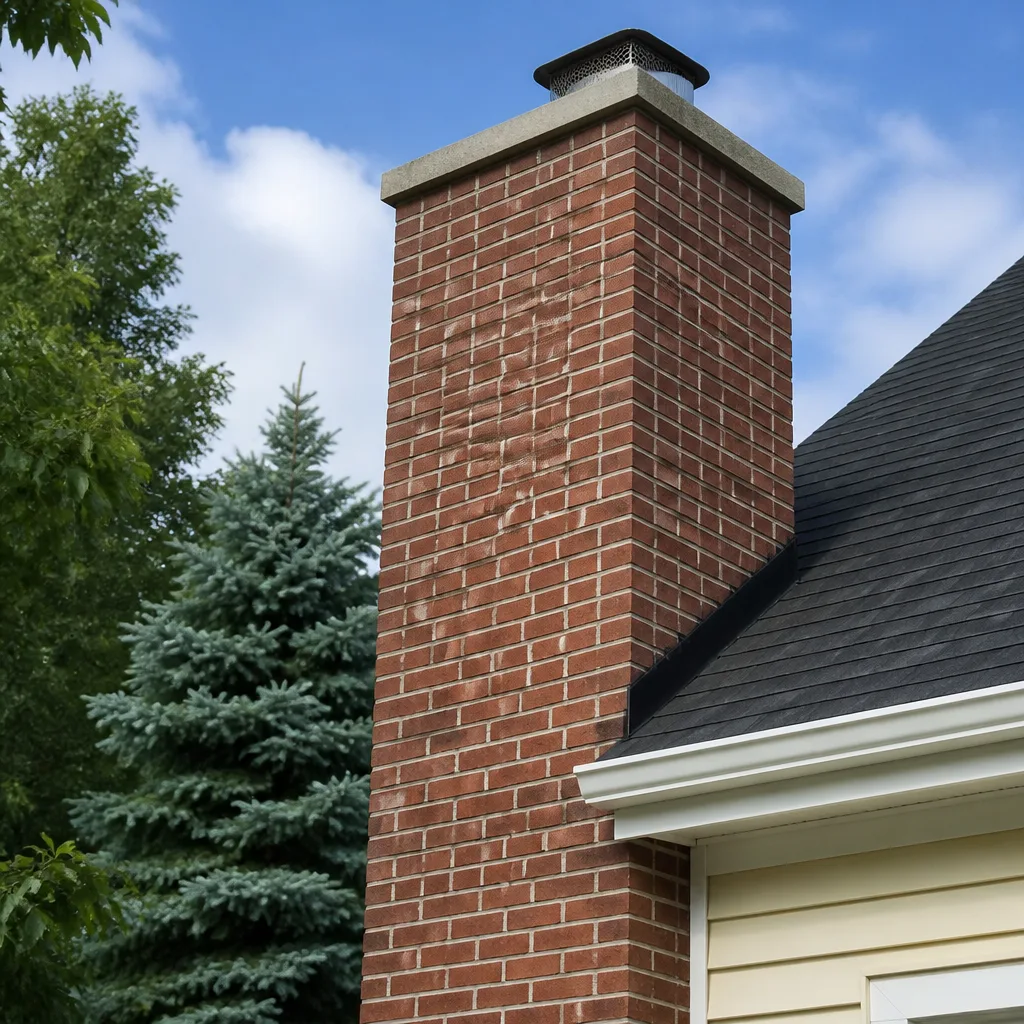
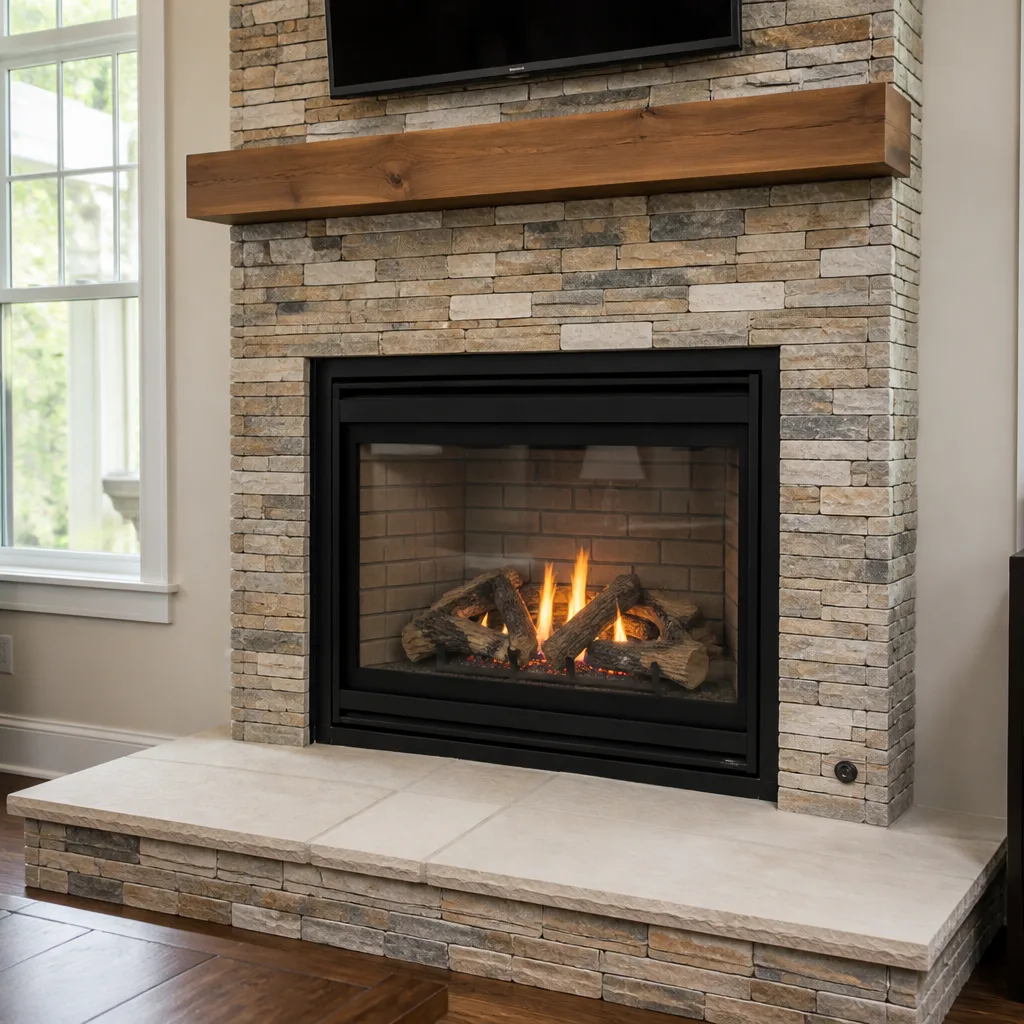
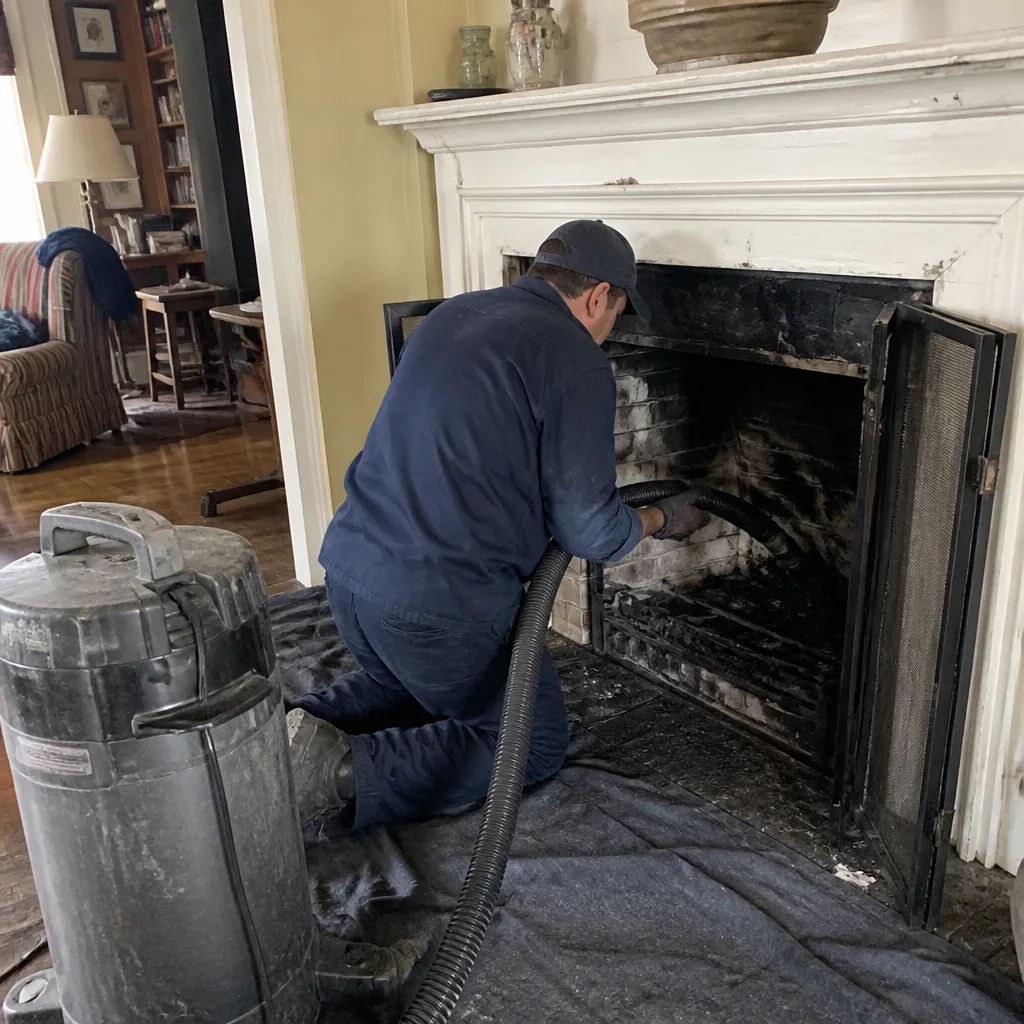 Before
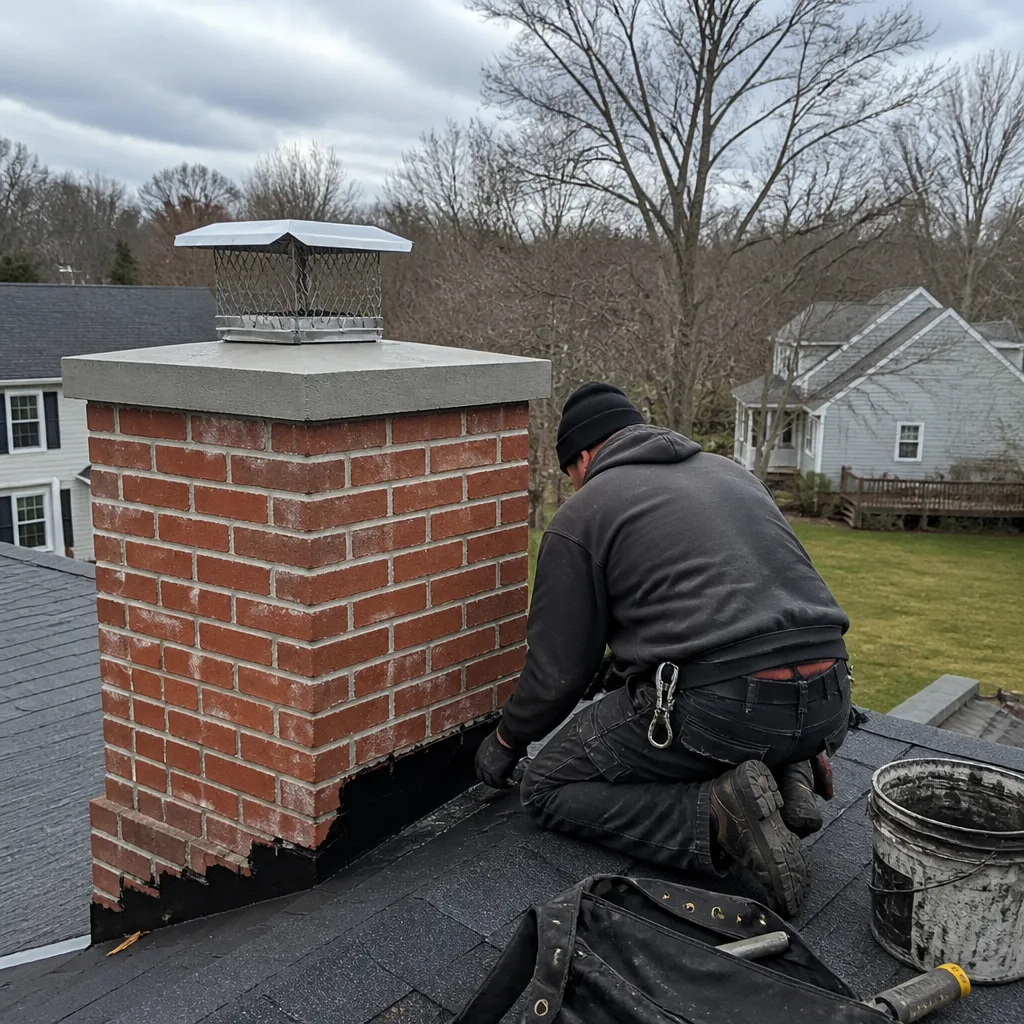 After
After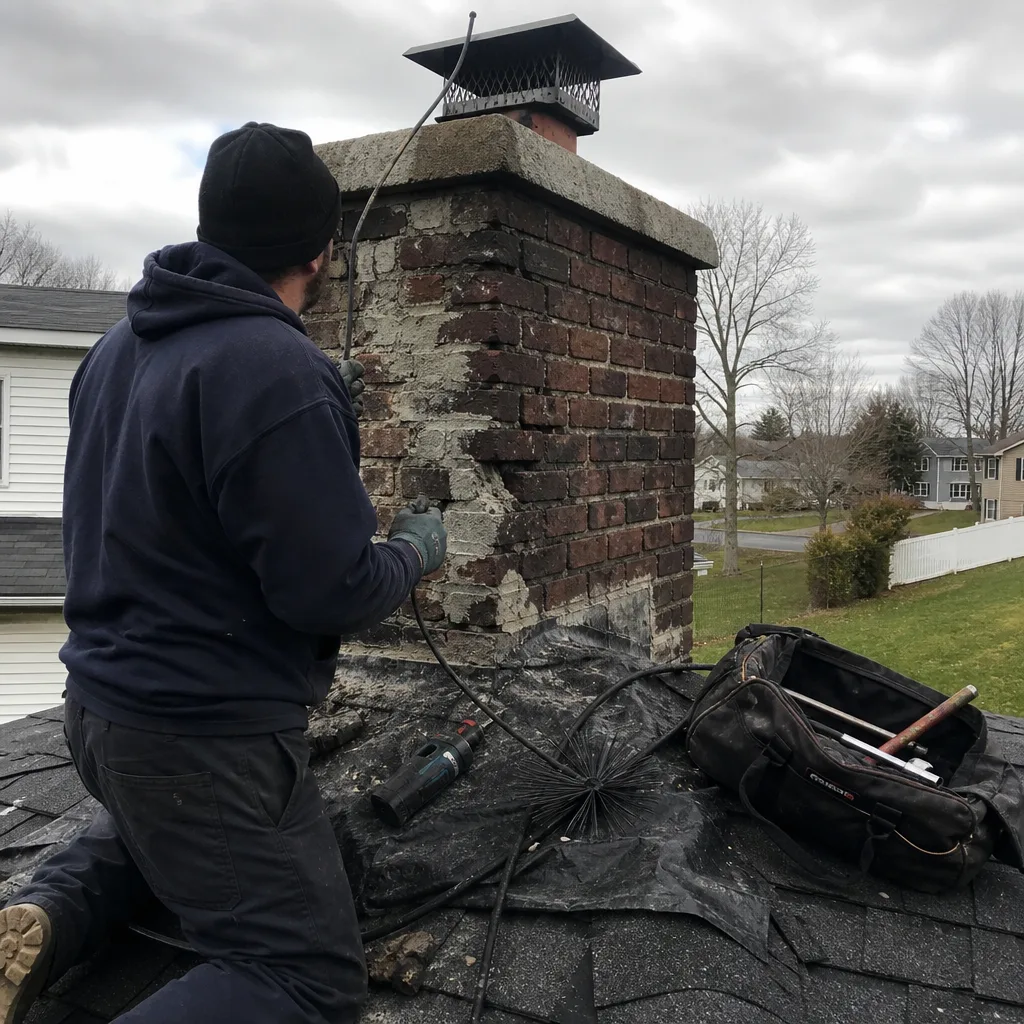 Before
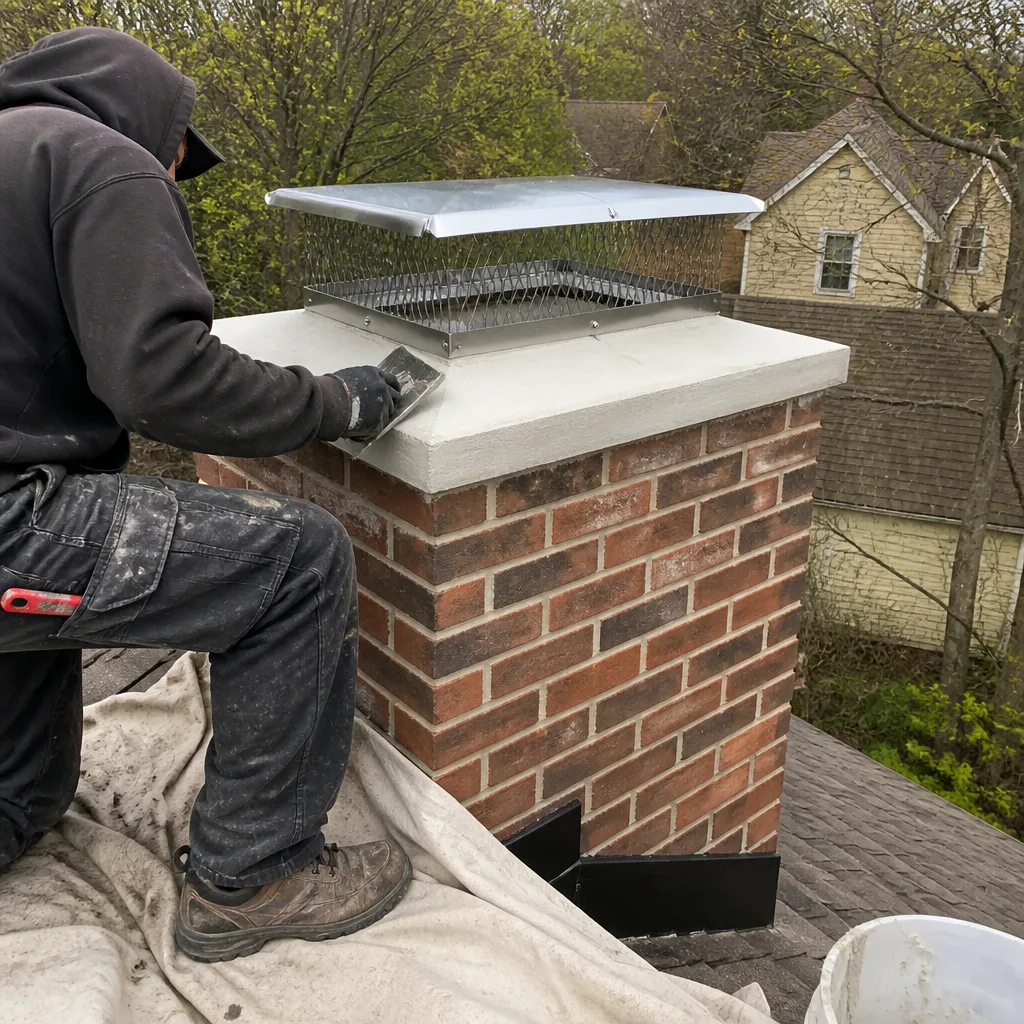 After
After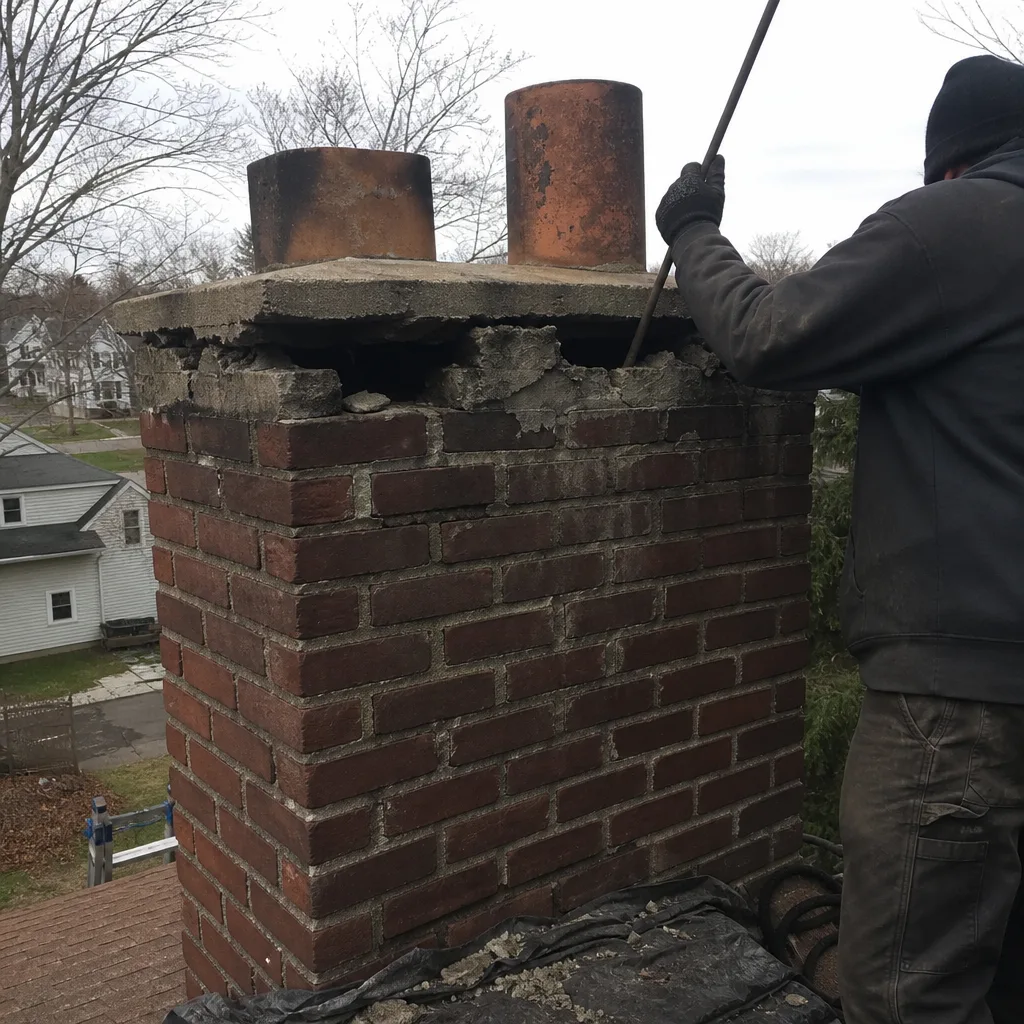 Before
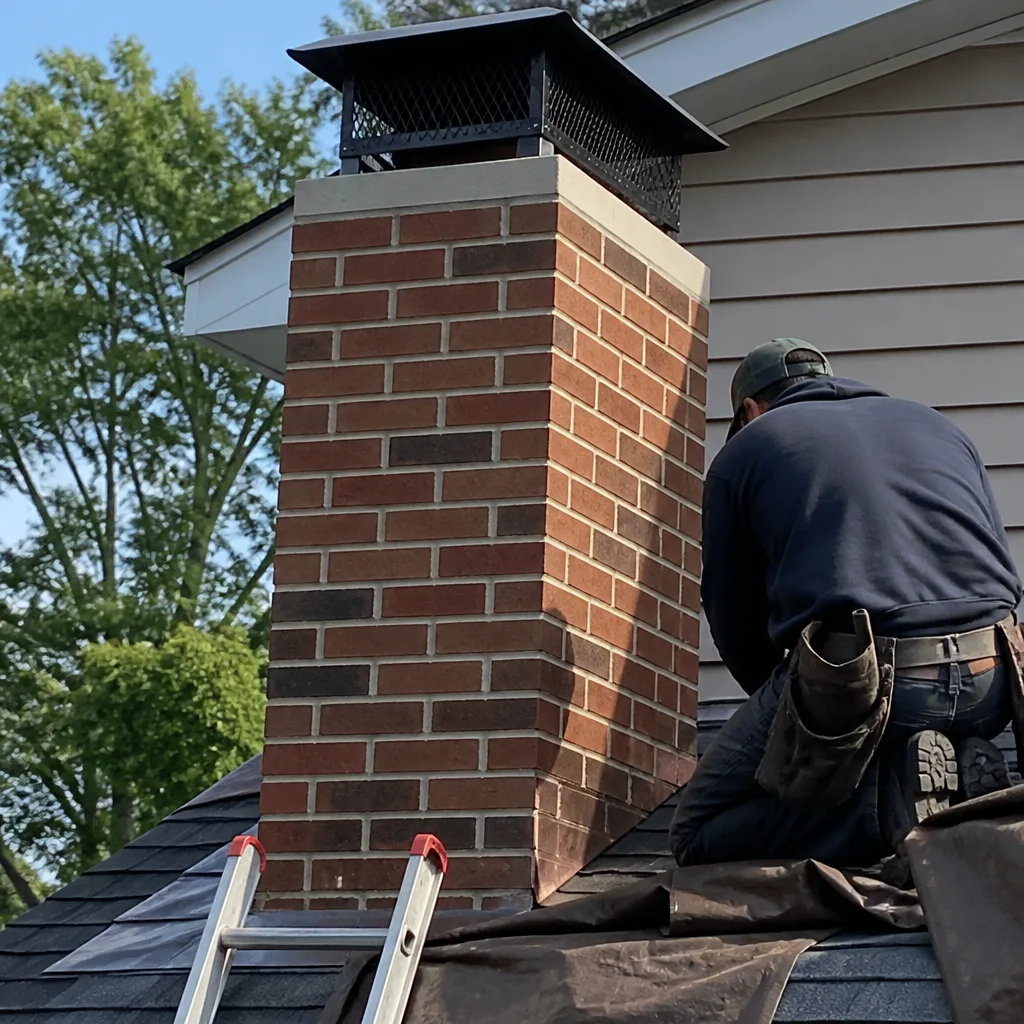 After
AfterDIY vs Professional Chimney Cleaning: The Bristol Homeowner’s Decision Guide
The brushes, rods, and drop cloths for a DIY chimney cleaning cost about $80 at the hardware store. The part that costs nothing and carries the most risk is the inspection you won’t know how to perform once the soot is cleared. This guide will walk you through what a Bristol homeowner can realistically handle with a brush and some patience, where the line actually is between maintenance and repair, and what a professional sees from the top of your roof that you can’t see from the hearth. For how to hire a chimney cleaning contractor in Bristol: a step-by-step guide, see our companion resource. We’ll give you the straight answer on when DIY makes sense, when it doesn’t, and what skipping either approach really costs you in a climate like Bristol’s.
Quick Answer
Most Bristol homeowners with a single-story home, a straight flue, and light fireplace use can safely handle a basic brushing themselves with the right tools. But the real value of professional chimney cleaning isn’t the brushing. It’s the trained inspection that catches liner cracks, stage-two creosote glaze, and hidden blockages before they become a chimney fire or a carbon monoxide problem. If your chimney hasn’t been professionally inspected in more than three years, start with a pro, not a brush.
Table of Contents
- What DIY Can Realistically Handle
- What DIY Cannot Handle
- The Hidden Cost of DIY: Liability and Insurance
- What a Professional Sees That a Brush Cannot
- How Often Should You Clean a Chimney in Bristol?
- Equipment and Real Costs: DIY vs Professional
- Common Mistakes to Avoid
- When to Call a Professional
- Frequently Asked Questions
- The Bottom Line
What DIY Can Realistically Handle
Let’s be straight about this. There are Bristol homeowners who brush their own flues every fall and do a perfectly fine job. If your setup matches all of the following conditions, DIY is a reasonable option. Notice we said reasonable, not ideal. The conditions matter more than your confidence level.
Here’s what a DIY-friendly chimney looks like:
- A straight flue with no offsets. If you can look up from the firebox and see daylight, you’re working with a straight shot. No bends means a brush travels cleanly from top to bottom without hanging up on a transition.
- A single-story roof with a gentle pitch. You need to get on the roof to brush from the top down, which is the only method that keeps the soot contained. A steep pitch on a two-story colonial in Bristol’s Federal Hill neighborhood is a different animal entirely.
- A clay tile or stainless steel liner in good condition. Brushing is maintenance, not repair. If the liner is sound, a brush removes the light soot and first-degree creosote that builds up from occasional fires.
- A fireplace that gets light seasonal use. A dozen fires a year in a properly drafting fireplace produces mostly soft, dusty soot. That’s brushable. Daily burning through a New England winter produces something else entirely, which we’ll get to.
- A chimney that was professionally inspected within the last three years. This is the one most homeowners skip. You need a baseline. If a trained eye has confirmed the liner is intact and the flue is clear, then your DIY brushing is maintenance on a known-good system.
If all of those are true, here’s the basic process:
- Lay drop cloths around the fireplace opening and seal the firebox with a damp sheet or plastic sheeting taped in place.
- Climb to the roof with a properly sized poly or wire brush (wire only if you’ve confirmed you have a clay tile liner, never wire on stainless).
- Remove the chimney cap if one is installed.
- Attach the brush to a flexible rod, push it down into the flue, and work it up and down in short strokes.
- Add rod sections until you’ve covered the full flue length.
- Let the soot settle for 15 to 20 minutes, then carefully open the fireplace and vacuum the debris with a HEPA-filter shop vac.
- Reinstall the cap and check the damper opens and closes smoothly.
That’s the whole job if conditions are right. It takes about two hours the first time and maybe 45 minutes once you know the routine. But notice what’s missing from that list, because it matters more than any step we just described.
What DIY Cannot Handle
Your flue doesn’t care how the fire looks. It cares how it breathes. And there are specific conditions that turn a simple brushing into a job that needs a trained sweep, not a determined homeowner. Here’s where the line actually is.
Offset flues. If your chimney was built to route around a beam or your fireplace sits on an interior wall with a jog in the flue, a straight brush will not reach the entire surface. You’ll knock down the loose soot in the straight sections and leave the offset corners packed with creosote. Those corners are exactly where chimney fires start.
Clay tile liner damage. Here’s a fact most homeowners in Bristol never hear: clay tile liners crack. They crack from thermal shock, from water intrusion that freezes, from settling, from a chimney fire that happened before you owned the house. The problem is you cannot see a hairline crack looking up from the firebox. You need a camera pushed down the flue to find it. If there’s a crack, brushing the flue does nothing for the real problem, and burning with a cracked liner risks exposing the framing of your house to flue gases and sparks. That’s not maintenance. That’s a Chimney Repair in Bristol situation.
Stage-two or stage-three creosote. First-degree creosote is a brush job. It’s flaky and dull and comes off with moderate effort. Second-degree creosote is shiny, hard, and baked onto the flue walls. A brush slides right over it. Third-degree is a glaze, which is concentrated fuel, and it needs chemical treatment or mechanical removal with rotary chains. If you run a brush through a flue with stage-two creosote and the brush doesn’t take it off, you haven’t cleaned the chimney. You’ve just rearranged the soot. Worse, you’ve given yourself a false sense that the job is done.
Chimneys that haven’t been inspected in more than three years. This disqualifies DIY regardless of any other factor. The reason is simple: you don’t know what’s in there. You don’t know if a raccoon built a nest in July. You don’t know if last year’s ice dam cracked the crown. You don’t know if the liner has spalled and dropped clay shards onto the smoke shelf. Cleaning a chimney without first knowing its condition is like changing the oil in a car you’ve never opened the hood on. It might be fine. It might not. You have no way to tell the difference from the roof.
Bristol’s weather makes all of this worse. Freeze-thaw cycles are brutal on masonry. Every winter, water sits in the crown, freezes, expands, and works the mortar joints a little further apart. After 20 or 30 years, that’s a chimney with structural issues, not a dirty flue. The brush doesn’t care about any of it.
The Hidden Cost of DIY: Liability and Insurance
Here’s the part nobody mentions at the hardware store. The equipment isn’t the risk. The risk is what you don’t find.
Say you brush your chimney in October. It looks clean. The fires burn fine all winter. In February, a crack in the clay liner that’s been there since the previous owner’s chimney fire finally opens up during a cold snap when the masonry shifts. Heat reaches the framing. The house catches.
The insurance adjuster asks one question: when was the chimney last professionally inspected and cleaned? If your answer is “I brushed it myself,” you’ve just handed the insurance company a reason to delay, dispute, or deny the claim. Most homeowner policies require that the homeowner maintain the property. Maintenance means you took reasonable steps to prevent the loss. A DIY brushing with no inspection record is not the same as a professional cleaning with documentation. Fair or not, that’s how it plays out.
The reverse also happens, and we’ve seen it. A Bristol homeowner brushes their own flue, misses a blockage, and the smoke backs up into the house. Carbon monoxide levels climb. The family gets sick, or worse. Now there’s no record of any cleaning at all, because the homeowner did it themselves and there’s no receipt for the work.
Wendell will be the first to tell you there are homeowners who can brush their own flue competently. That’s not the question. The question is what you’ll do with the information you can’t gather, and what it costs you if you’re wrong.
What a Professional Sees That a Brush Cannot
Let’s talk about what actually happens when a professional chimney sweep cleans a chimney in Bristol. Not the marketing version. The actual sequence.
The sweep shows up, lays down drop cloths, sets up a HEPA vacuum, and runs a camera up the flue before any brush touches any surface. That camera footage is the whole ballgame. It shows the condition of the liner, the mortar joints, the smoke shelf, the damper, the cap, and the crown. It shows cracks, gaps, animal nests, water staining, and creosote buildup in places a brush will never reach.
Then the cleaning happens, and then the camera goes back up to verify the flue is clean. The homeowner gets the footage and a plain-English verdict, every time, no exceptions. You see what the sweep saw. Nobody has to take anybody’s word for anything.
Here’s what a trained eye catches that a homeowner with a brush will not:
- Hairline cracks in clay tile liners that haven’t yet opened but will fail within a year or two.
- Spalling. Clay tiles flaking apart from the inside, dropping chips onto the smoke shelf and gradually reducing the flue’s ability to contain heat.
- Water entry points. A cracked crown, missing mortar, or failed flashing lets water into the masonry, and water is what kills chimneys in Connecticut.
- Improper flue sizing. A flue that’s too large for the fireplace or stove it serves drafts poorly and builds creosote faster. A flue that’s too small can’t exhaust the appliance it’s connected to.
- Unlisted or damaged caps. A missing cap invites animals, debris, and rain. A damaged cap can’t do its job and usually signals problems below.
- Hidden blockages. Nests, leaves, and dead animals collect more often than homeowners in Bristol want to think about. A brush will catch some of it. It won’t catch all of it, and it won’t tell you why it was there.
This isn’t a sales pitch. It’s the difference between looking and seeing. You can brush your chimney and still not know any of these things. The brush does one job. The inspection does ten.
How Often Should You Clean a Chimney in Bristol?
Once a year, burn or no burn. Chimneys break in the off-season too.
That’s the starting rule, and it applies in Bristol as much as anywhere else. The National Fire Protection Association standard (NFPA 211) says chimneys, fireplaces, and vents should be inspected at least once a year and cleaned as needed. The “as needed” part is where homeowners get confused, because “as needed” depends on how much and what you burn.
For a fireplace that gets light use, say a fire on weekends from November through March, an annual cleaning is usually enough. The buildup is mostly soft soot and first-degree creosote. A brush handles it.
For a fireplace that burns every night through a Bristol winter, with wood of questionable seasoning, you’re building creosote faster than an annual cleaning can keep up with. Some of these chimneys need cleaning twice a season. The problem is you won’t know which category you’re in until someone looks.
For a wood stove, the math is different. Stoves burn hotter and more efficiently, but they also run cooler during overnight burns, and cooler burns mean more creosote. If you burn a stove daily, a mid-season check is not overkill.
Here’s the practical answer for Bristol homeowners:
- Light seasonal fireplace use (under 30 fires per year): Annual professional cleaning is sufficient. If you want to brush it yourself between professional visits, that’s reasonable, but book a professional at least every other year to keep an inspection on record.
- Heavy fireplace use (multiple fires per week all winter): Annual professional cleaning minimum, and pay attention to drafting. If the fire smokes when you open the door, something’s clogged or sized wrong.
- Wood stove use (daily through heating season): Professional cleaning at least once per year, mid-season check if the stove runs overnight regularly. Creosote builds fast in stoves that smolder.
- No use at all: Still inspect annually. Blockages, water damage, and animal nests don’t care whether you burned anything. A chimney that never gets used still needs to breathe, and it still needs a clear path for future use.
The off-season point matters in Bristol because freeze-thaw cycles do their damage when you’re not paying attention. A cracked crown discovered in July is a Top Hat Chimney home visit that costs a few hundred dollars. A cracked crown discovered in January is a water-damaged flue and possibly a liner replacement. The earlier you know, the cheaper the fix.
Equipment and Real Costs: DIY vs Professional
Let’s put actual numbers on the table, because vague talk about “saving money” doesn’t help anyone. Here’s what a DIY chimney cleaning actually costs a Bristol homeowner, and here’s what a professional cleaning costs, and here’s what the comparison leaves out.
DIY equipment, honest version:
- Chimney brush (poly or wire, sized to your flue): $25 to $45
- Fiberglass rods (4 to 6 sections, depending on flue height): $30 to $60
- Drop cloths and plastic sheeting: $10 to $15
- HEPA-filter shop vac (if you don’t already own one): $80 to $150
- Ladder tall enough to reach the roof safely: $100 to $200 (assuming you don’t own one)
- Safety glasses and a dust mask: $15 to $25
- Chimney cap removal tool (sometimes needed): $10 to $20
Realistic total for a first-time DIY setup: $270 to $515. If you already own the ladder and shop vac, the marginal cost drops to about $120 to $180. After that, each cleaning costs only brush replacement every few years.
Professional cleaning in Bristol:
A standard chimney sweep and inspection in Bristol typically runs between $180 and $350, depending on the height of the chimney, the type of liner, and whether there’s a cap that needs removal and reinstallation. For a detailed breakdown of what drives these numbers, see our chimney cleaning cost breakdown: the Bristol homeowner’s reference for 2026. The price includes the cleaning, the camera inspection, and the documentation that comes with it.
So the first-year DIY savings are modest at best, and that assumes you have a forgiving roof pitch and a straight flue. The savings grow over time if you clean annually and never need repairs. But that’s where the comparison gets dishonest, because nobody knows what their chimney needs until someone looks. A professional cleaning is also the moment when small problems get caught before they become big ones. DIY has no equivalent.
One more thing worth saying directly. Wendell doesn’t push anyone into a professional cleaning they don’t need. If your chimney was inspected last year, came back clean, and you’re comfortable on the roof, a DIY brushing is a fine way to keep up between professional visits. But if you’ve never had a camera in the flue, the first $200 you spend should be on the camera, not the brush. Chimney Cleaning & Sweep in Bristol starts with that camera every time, before any tool comes off the truck.
Common Mistakes to Avoid
- Brushing from the bottom up. You’ll coat the entire room in soot no matter how well you seal the firebox. Top-down is the only method that contains the debris. If you’re not comfortable on the roof, this is not your job.
- Using a wire brush on a stainless steel liner. Wire scratches stainless, and scratched stainless is more likely to corrode. Poly brushes are for metal liners. Wire is for clay tile. Most Bristol homeowners don’t know which liner they have, which is the argument for the camera.
- Skipping the cap check. A missing or damaged cap is the single most common entry point for water and animals in Bristol’s climate. The brushing doesn’t matter if the cap isn’t doing its job.
- Assuming no fires means no cleaning. Chimneys break in the off-season too. Nests, water damage, and blockage don’t require your participation.
- Ignoring drafting problems. If the fireplace smokes when you light it, something’s wrong. It’s not “just how the fireplace is.” It’s a flue issue, a sizing issue, or a blockage, and brushing won’t fix most of those.
- Not documenting your cleaning. Insurance companies want records. A receipt from a professional sweep is documentation. A mental note to yourself is not.
- Buying the wrong brush size. A brush that’s too small for the flue doesn’t scrub the walls. A brush that’s too large gets stuck, and a stuck brush in a clay tile flue is a genuinely bad afternoon. Measure the flue before you buy.
When to Call a Professional
Here’s the short version. Call a professional if any of these apply, and skip the DIY reasoning entirely:
- Your chimney hasn’t been professionally inspected in more than three years, even if you’ve been brushing it yourself.
- You have a two-story home, a steep roof, or anything other than a straight flue.
- You see shiny, hard creosote, or you smell a strong, smoky odor even when the fireplace isn’t in use.
- Your fireplace smokes when you light it, or smoke backs up into the room.
- You’ve had water in the firebox, staining on the ceiling near the chimney, or missing mortar on the crown.
- You have a wood stove that burns overnight and haven’t had it checked this season.
Top Hat Chimney offers free estimates in Bristol. You call, Wendell or one of his crew picks up, and you get a real price before any work begins. If you have a written estimate from another company, he’ll give you a free second opinion on it. Call (860) 743-7743.
Frequently Asked Questions
A professional chimney sweep and inspection in Bristol typically costs between $180 and $350. The price depends on chimney height, liner type, and whether a cap needs removal. The inspection is included, which means you get the camera footage and a written report, not just a brushing. Call (860) 743-7743 for an exact quote before you book anything, it’s free and upfront.
It’s safe if you have a single-story home, a straight flue, a known-good liner, and you’re comfortable working on a roof. It’s not safe if any of those conditions are missing. The brushing itself is not the risk. The risk is working over a roofline without proper ladder setup and missing the inspection that tells you whether the chimney is safe to use at all.
Once a year, burn or no burn. If you use your fireplace heavily through a Bristol winter, you may need a mid-season check. If you burn a wood stove daily, an annual cleaning is the minimum and a mid-season inspection is smart. The off-season matters because freeze-thaw cycles damage chimneys whether you use them or not.
Yes, and here’s the honest reason. A cracked clay tile liner is the single most common cause of chimney fires and carbon monoxide intrusion in Bristol homes. You cannot see the crack from the firebox. You can only see it with a camera. If the liner is cracked, brushing the flue changes nothing about the actual risk. The camera footage tells you what you’re dealing with, and no legitimate chimney company should recommend liner work without showing you that footage first.
Creosote builds up. It’s not a matter of opinion, it’s chemistry. Every fire deposits creosote on the flue walls, and creosote is fuel. Skip a few years and first-degree creosote becomes second-degree, which is harder to remove and more dangerous to leave. Skip longer and you’re looking at a chimney fire waiting for the right conditions. The other failure mode is blockage, which sends smoke and carbon monoxide back into the house. Neither outcome is worth the money saved.
Yes, and he’ll give it to you straight. That’s the whole point of the free estimate. If your chimney is clean and sound and all you need is a brushing, he’ll tell you that. If there’s real work needed, he’ll show you the camera footage and let you decide. You’ll never get a hard sell from Top Hat Chimney. You’ll get the facts, the footage, and a number to call if you want the work done. That number is (860) 743-7743.
The Bottom Line
The DIY vs professional debate is not really about the brush. It’s about what you know and what you can’t see. A Bristol homeowner with a straight flue, a single-story roof, and a clean inspection on record can handle a basic brushing and save a couple hundred dollars a year. That’s real, and Wendell won’t tell you otherwise. But a homeowner who skips the inspection, brushes a chimney with a cracked liner, and calls it done has made an expensive mistake without knowing it. The camera is the difference. The documentation is the difference. The trained eye is the difference. If you haven’t had a professional look at your chimney in the last three years, start there. Then browse our more guides & resources to keep your chimney safe year-round. After that, you’ll know exactly what you’re dealing with, and you can make an honest call about what you can handle yourself.
Top Hat Chimney serves Bristol and the surrounding communities with flat-price sweeps, camera inspections, and no pressure to buy work you don’t need. If you’re not sure what your chimney needs, call (860) 743-7743. The estimate is free. The camera doesn’t lie. And if Wendell wouldn’t do it to his own chimney, he won’t recommend it for yours.
Written by Wendell Pike, Owner at Top Hat Chimney, serving Bristol since 1999.