
Last updated September 10, 2026
Level 1 sweep and inspection to the NFPA 211 annual standard - flue, crown, cap, and flashing checked and photographed
Chimney sweep logs do not sweep chimneys. They loosen some creosote - which then falls where a brush and vacuum still have to collect it.
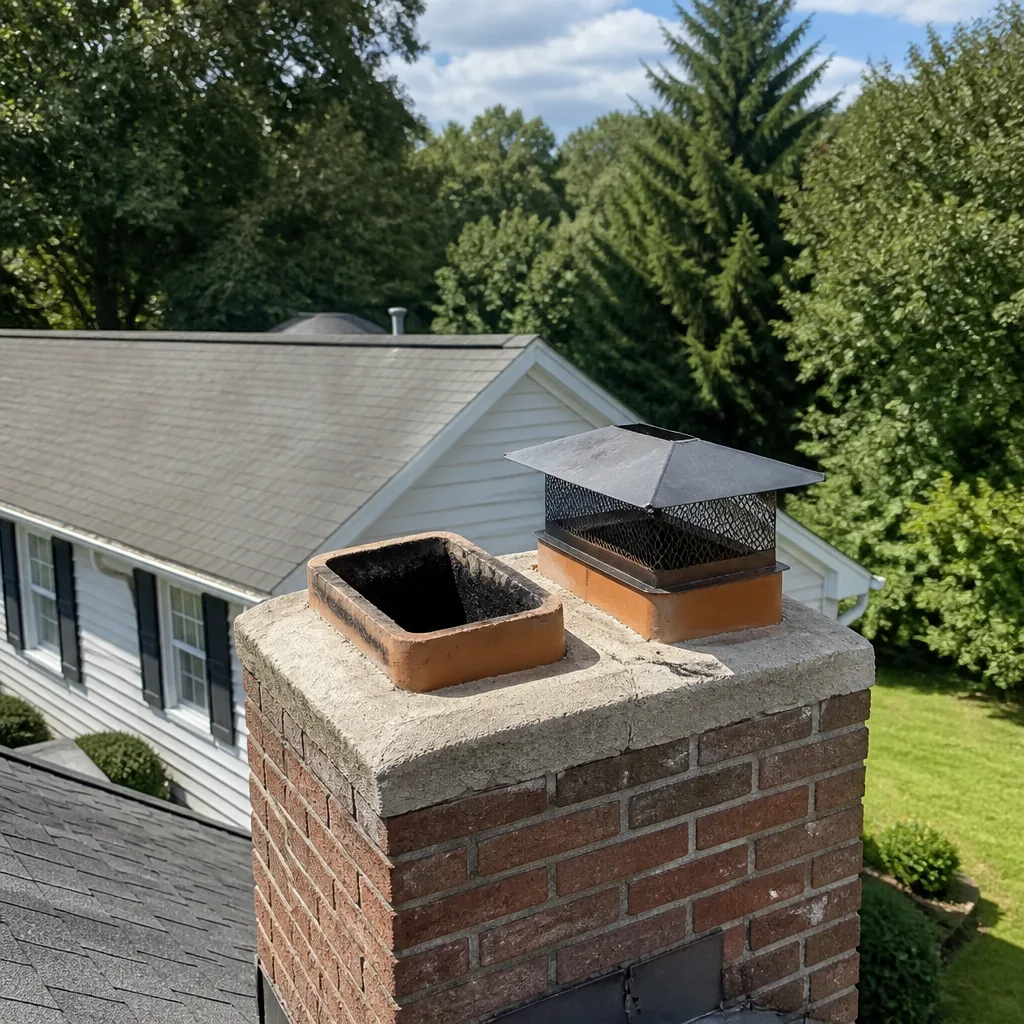
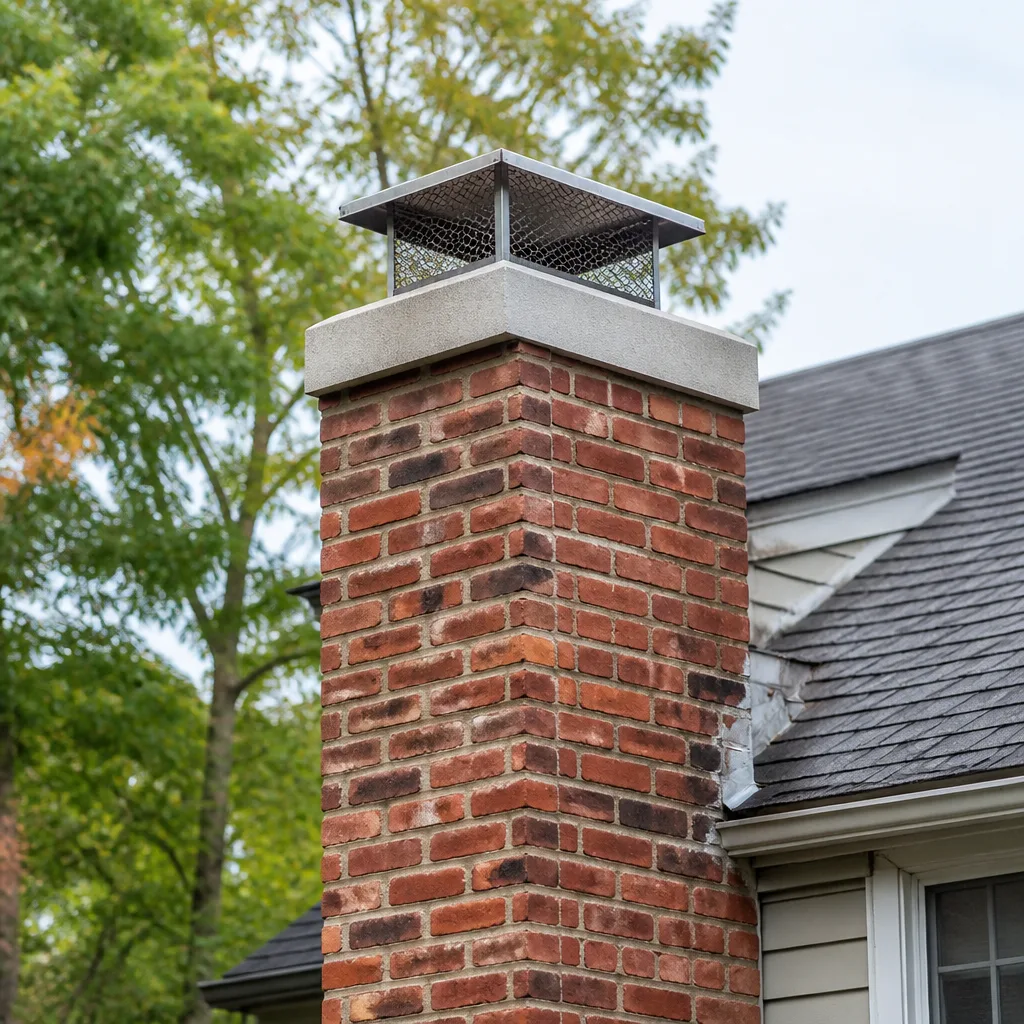
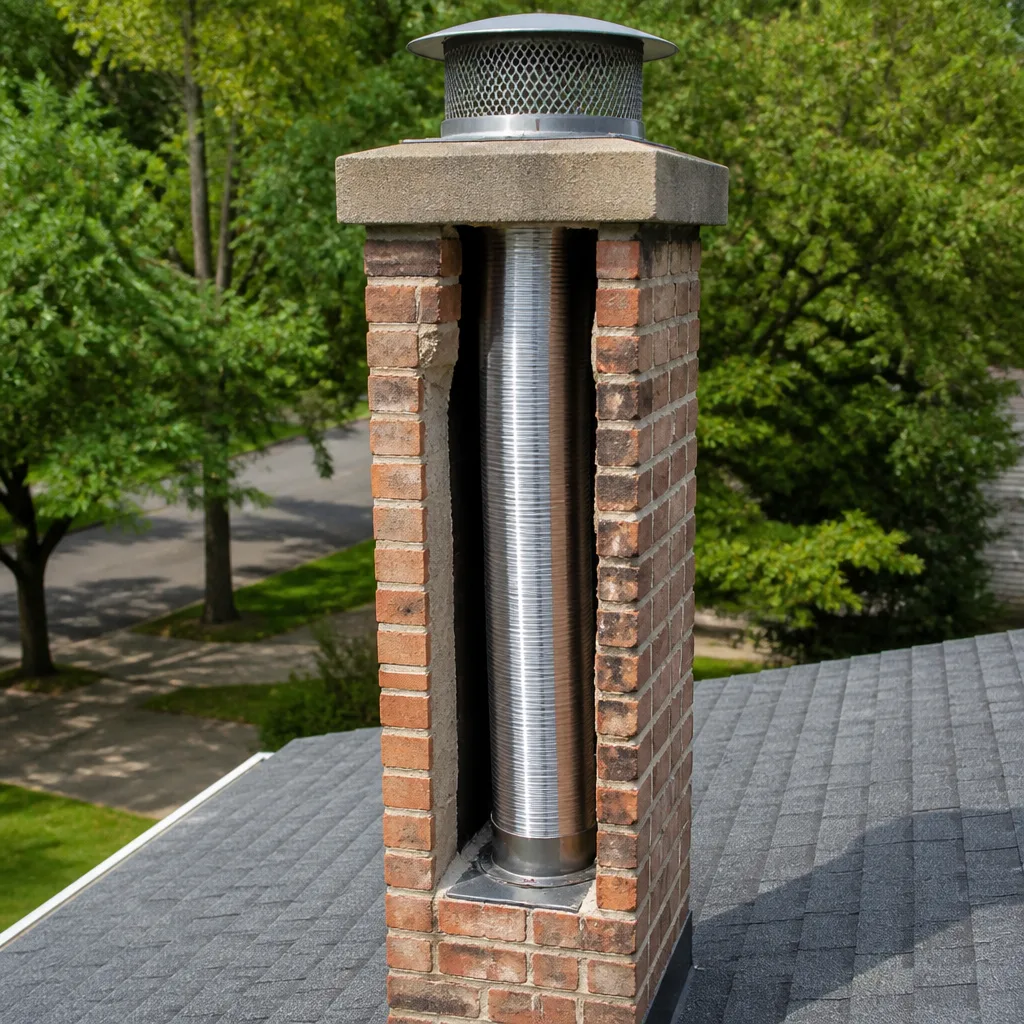
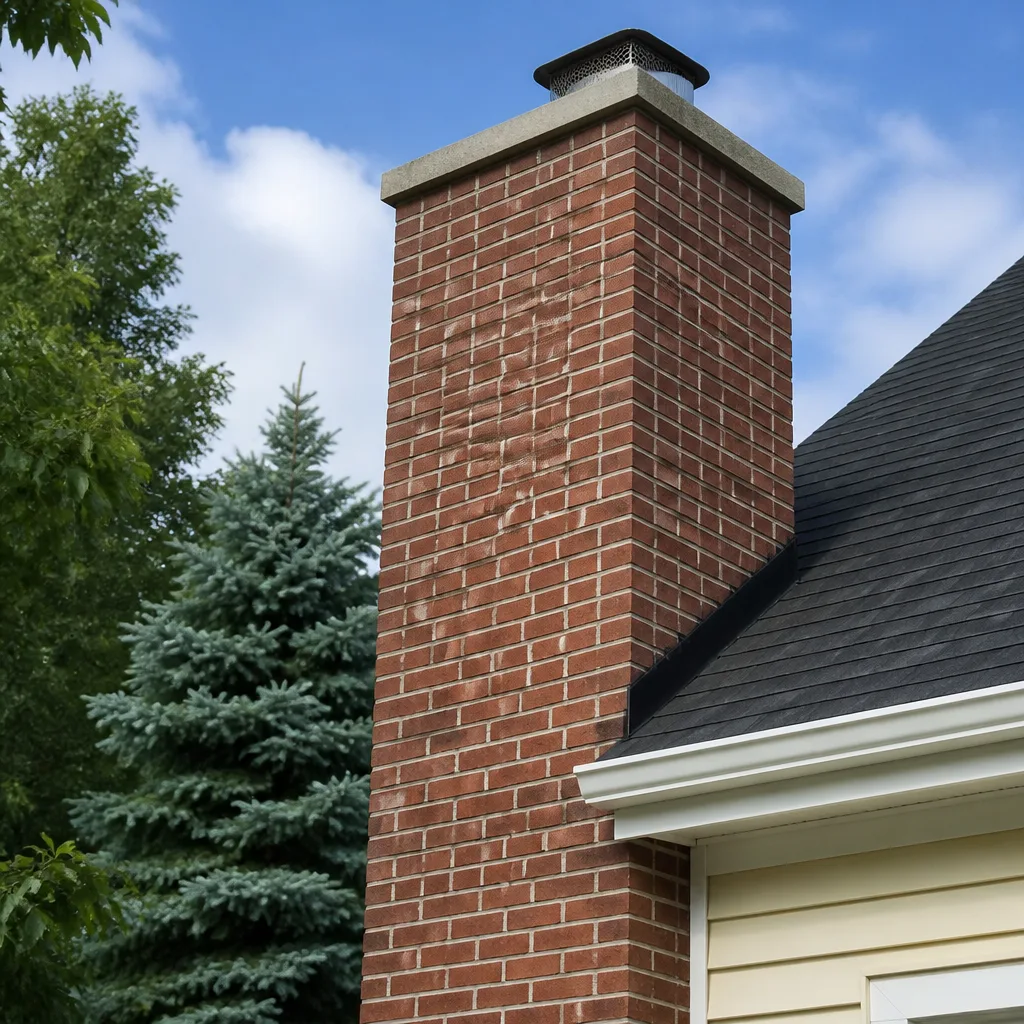
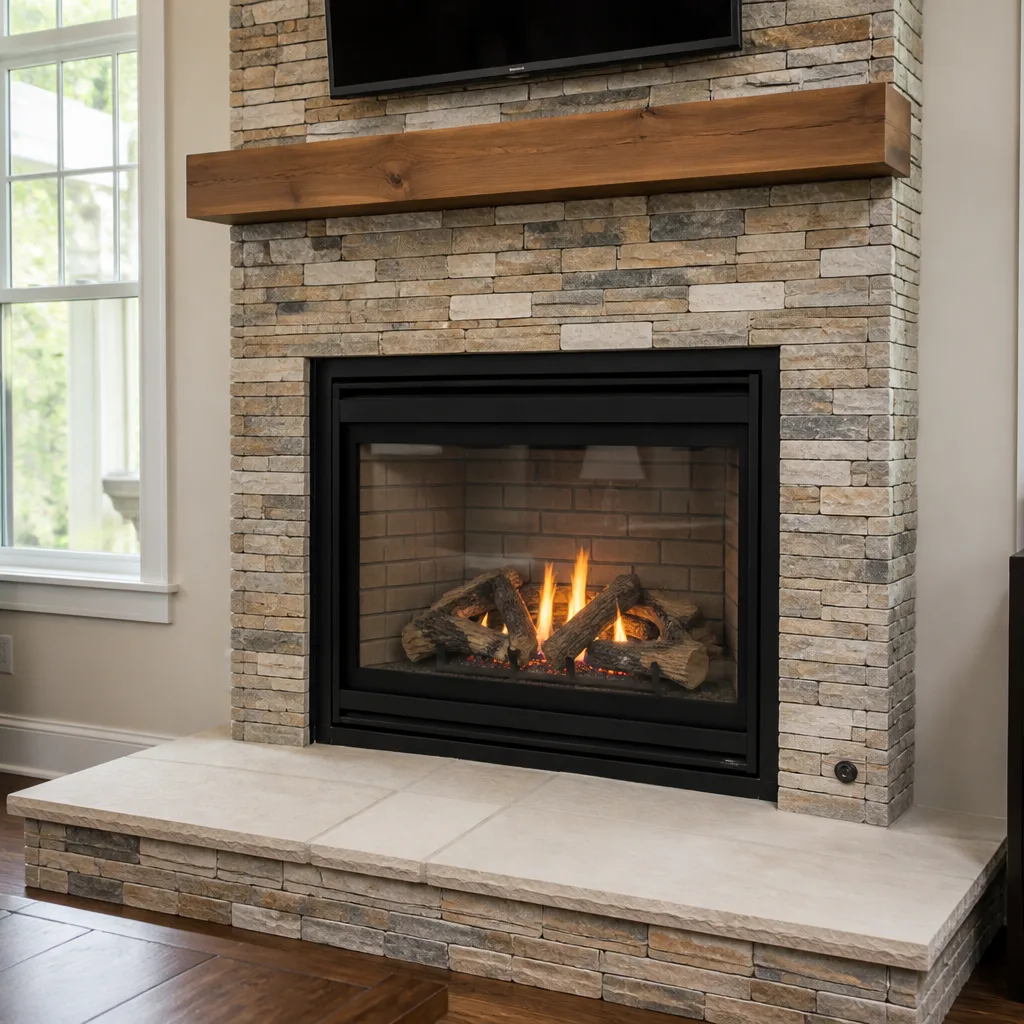
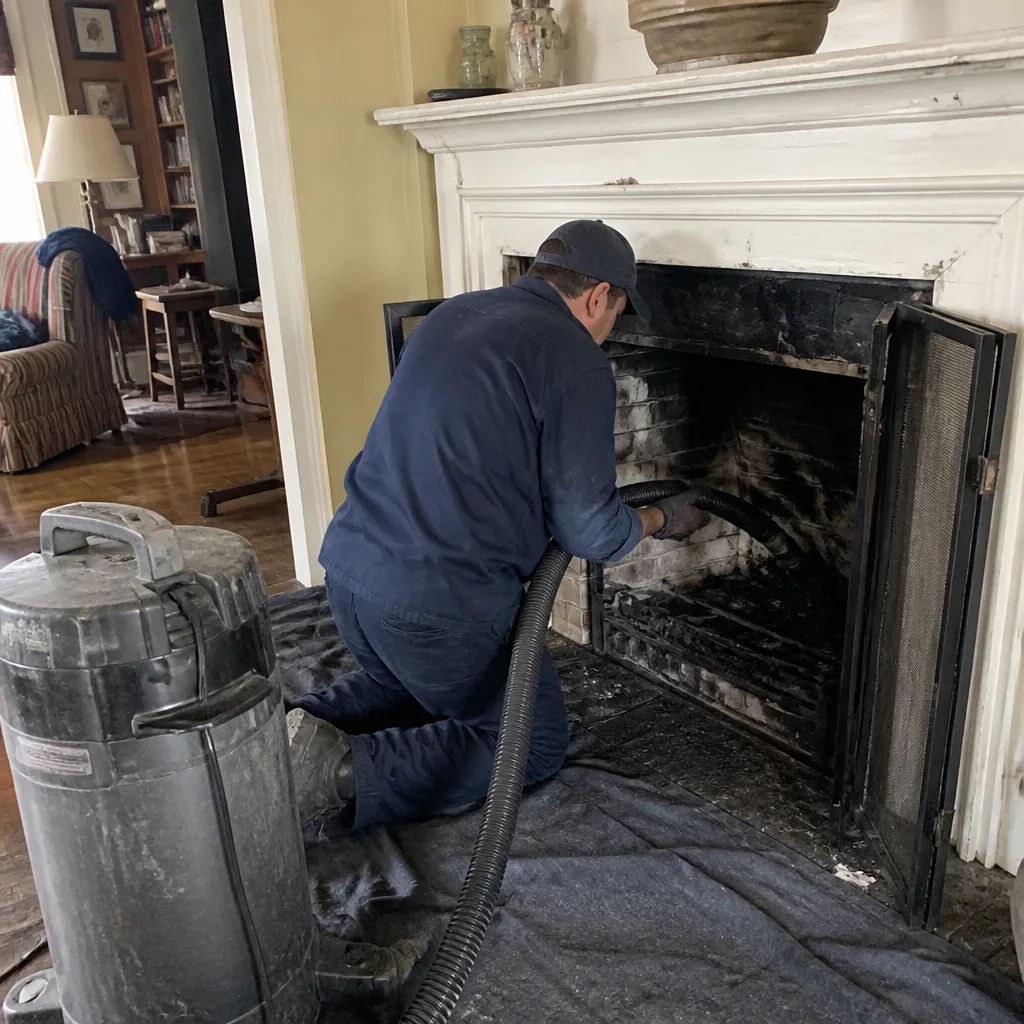 Before
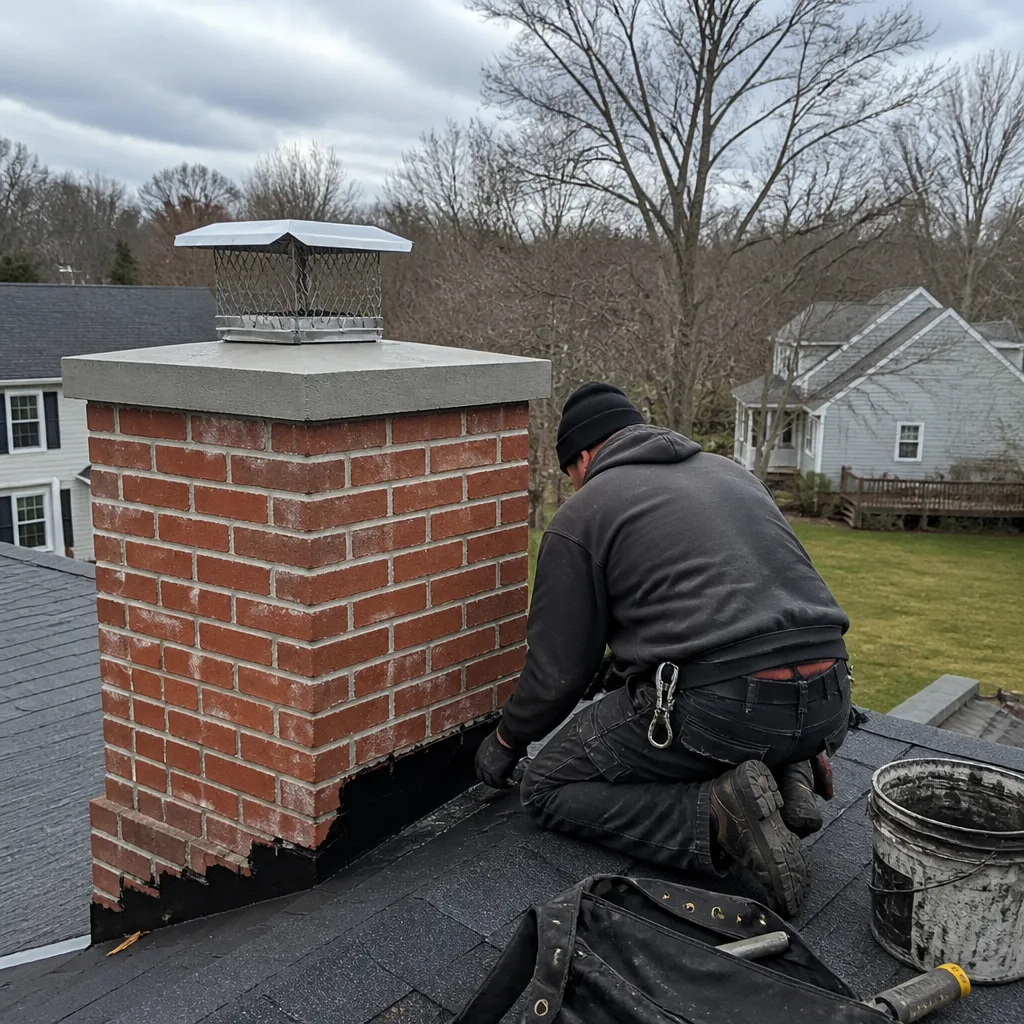 After
After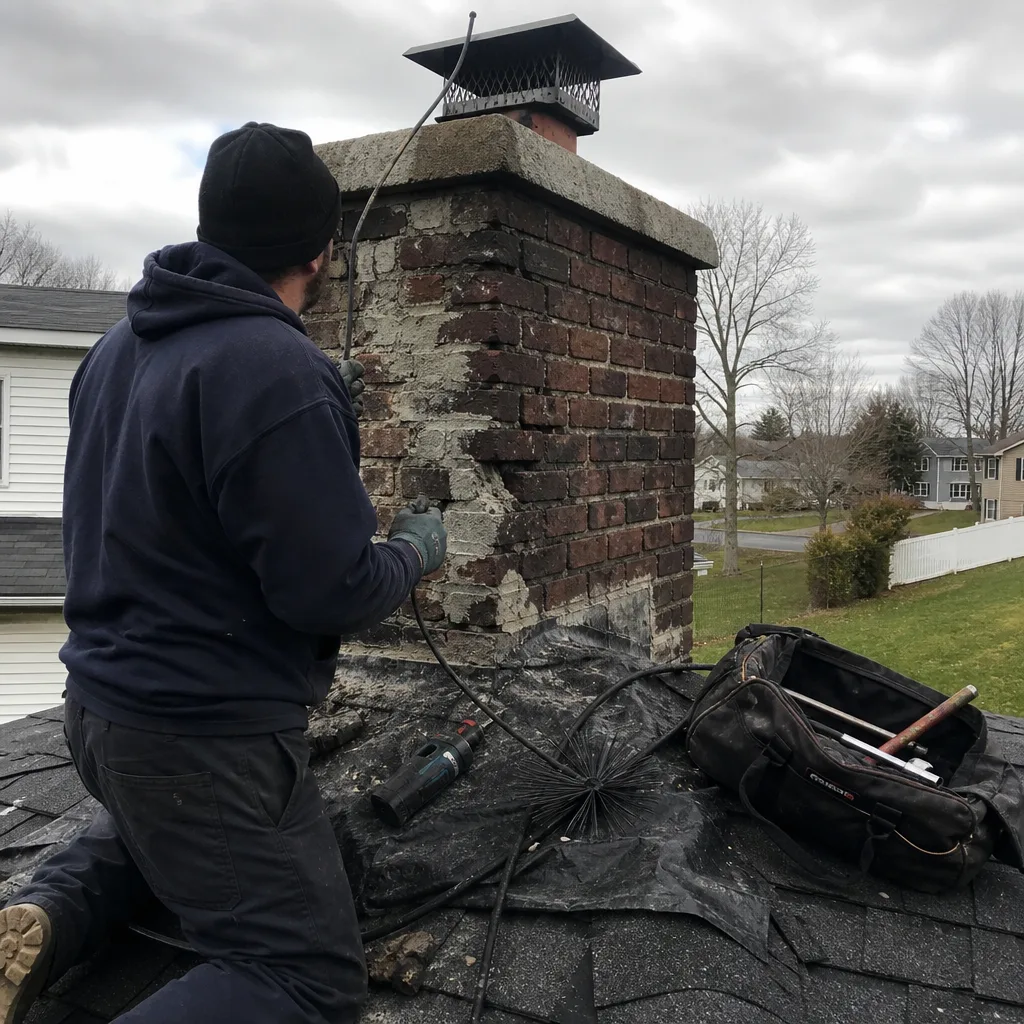 Before
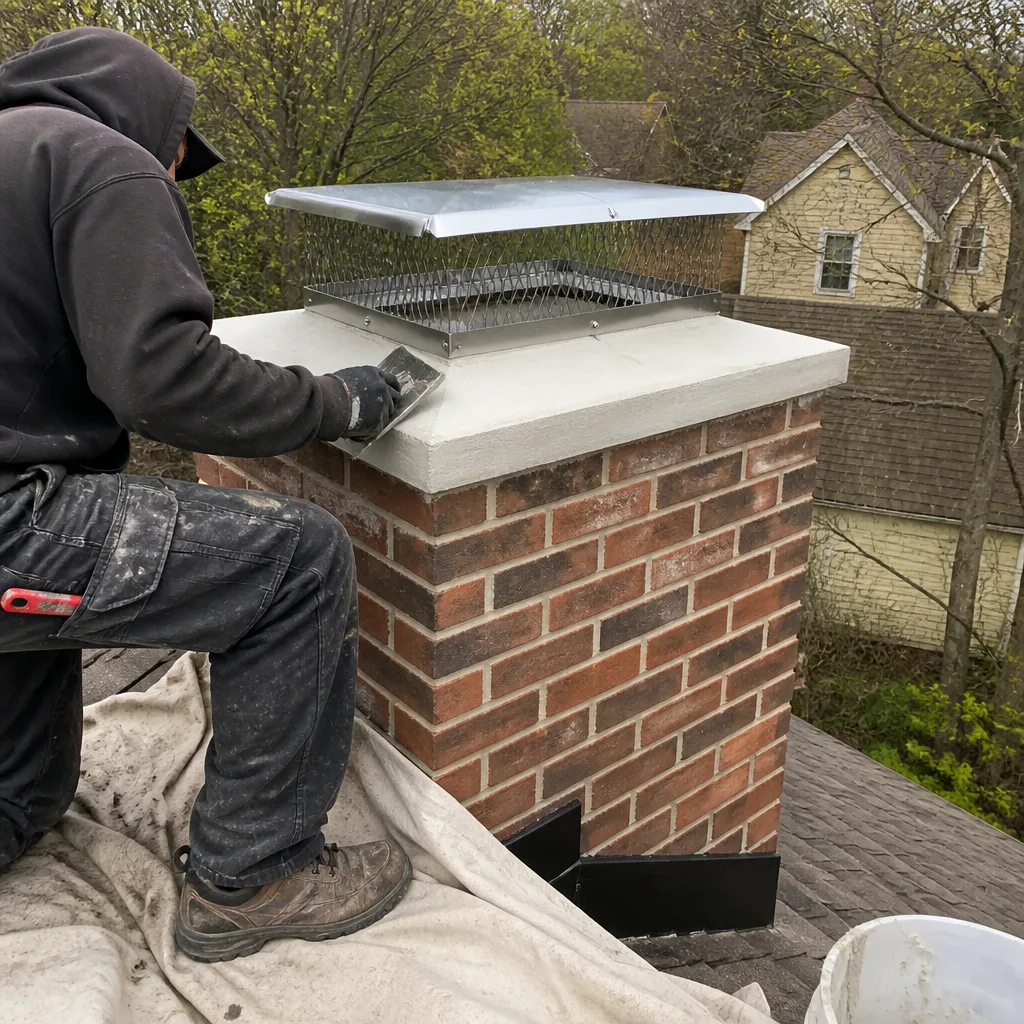 After
After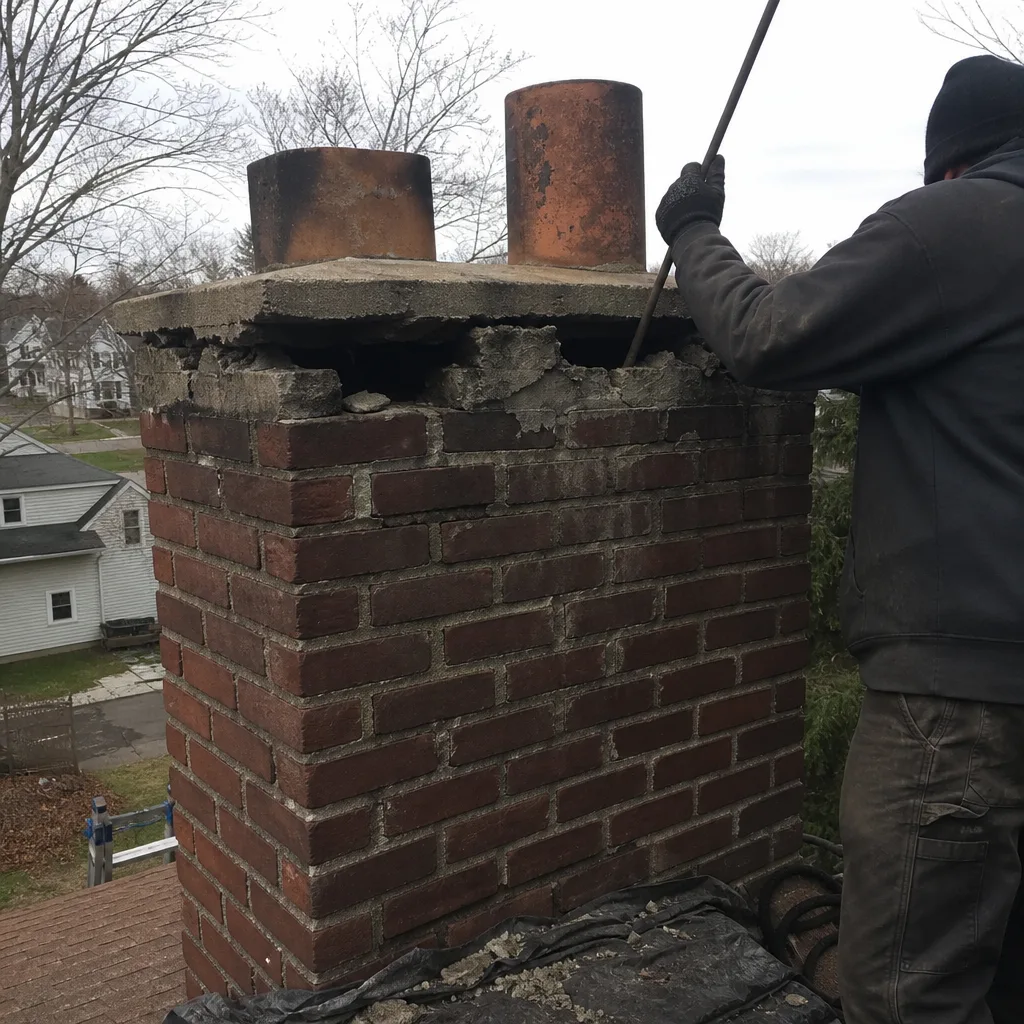 Before
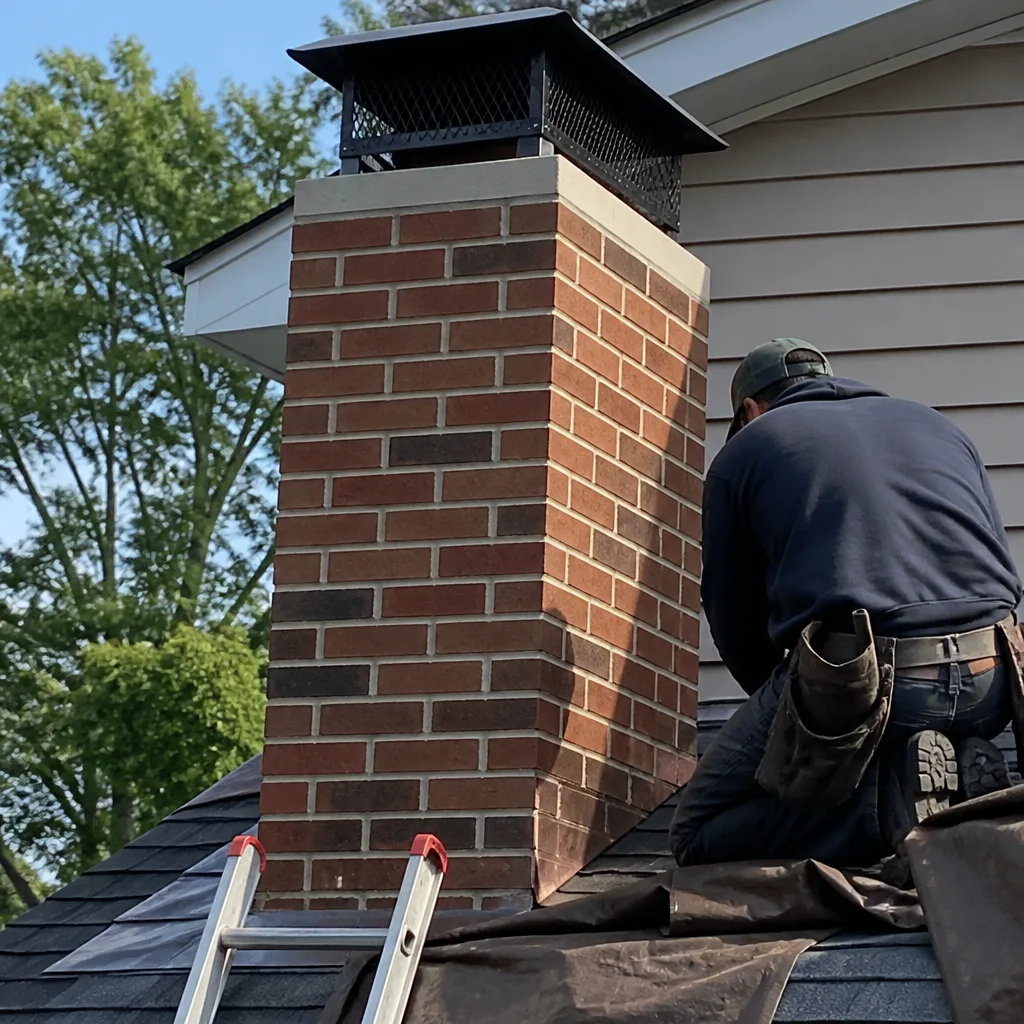 After
AfterSeasonal Chimney Cleaning Care for Bristol: Year-Round Homeowner’s Guide
Bristol’s freeze-thaw cycles between November and March, sometimes a dozen in a single month, do more cumulative damage to mortar joints and chimney crowns than a full heating season of fires, and almost no annual cleaning schedule accounts for that. Most homeowners think of chimney maintenance as a fall chore, something to check off before the first fire. That thinking is why so many Bristol chimneys need expensive masonry work by the time anyone notices a problem. This guide maps chimney care to the actual stresses a Bristol home faces, month by month, so you know what to look at, when to look at it, and what can safely wait.
Quick Answer
A Bristol chimney needs attention at four distinct points each year: a pre-burn check in early October, a mid-winter visual inspection from the ground, a water-damage inspection in April when snowmelt reveals what winter did, and a late-summer check for humidity damage and animal nesting. An annual sweep is the minimum for anyone who burns wood regularly, but the seasonal inspection points are what catch the damage that happens when the fire isn’t burning at all. Sweeps cost less than most people expect-see our Chimney Cleaning Cost Breakdown: The Bristol Homeowner’s Reference for 2026 for typical ranges-and a spring inspection catches problems when they are still cheap to fix.
Table of Contents
- Early October: The Pre-Burn Check That Saves the Season
- December Through February: What Hard Winter Does to a Bristol Chimney
- April: The Most Overlooked Inspection Window in Bristol
- June Through August: Heat, Humidity, and the Unburning Chimney
- A Realistic Month-by-Month Calendar for Bristol
- How to Read Your Chimney Without Getting on the Roof
- Common Mistakes to Avoid
- When to Call a Professional
We are Top Hat Chimney, and we have swept, inspected, and repaired chimneys across Bristol and the surrounding towns since 1999. Wendell Pike started this company with a simple idea: show up when you say you will, charge what you quoted, and tell the homeowner the truth even when the truth is “this can wait.” This guide is that same approach, written down.
Early October: The Pre-Burn Check That Saves the Season
The first fire of the season should not be the first time you think about your chimney since spring. In Bristol, early October is the moment to do a full pre-burn check, and that check is about more than just soot. A summer of heat, rain, and squirrels can leave a chimney in worse shape than a full winter of fires. Here is what to run through before you light anything.
1. Look at the cap and crown from the ground
Stand in your yard with a pair of binoculars. Look at the top of the chimney. The cap is the metal hat that keeps rain, birds, and embers out. The crown is the concrete slab that caps the masonry. If the cap is tilted, missing, or rusted through, water has been getting in all summer. If the crown has visible cracks, same story. Water plus a Bristol winter means freeze-thaw damage, and that is how a small crown crack becomes a $2,000 masonry repair by spring.
2. Check the damper before you light anything
Open and close the damper a few times. It should move freely and seal reasonably well. If it will not open, do not light a fire. If it will not close all the way after a fire, you are sending heated house air up the flue all winter. A sticking damper is often a quick fix in October and a frozen-shut headache in January.
3. Shine a light up the flue
From inside the firebox, use a bright flashlight and look up. You are checking for three things: obvious creosote buildup that looks shiny or thick, any sign of nesting material from summer tenants, and any daylight peeking through cracks in the flue liner. If you see daylight where you should not, stop and get a professional look before the first fire.
If any of this sounds like more than you want to do, call Top Hat Chimney for a chimney cleaning and sweep in Bristol. We bring a camera, and you see the footage yourself before anyone recommends a repair.
December Through February: What Hard Winter Does to a Bristol Chimney
Bristol winters are not the harshest in New England, but they are sneaky. The real damage comes from the freeze-thaw cycle. Water gets into hairline cracks in the crown or mortar, freezes and expands, and widens those cracks by a fraction of an inch. Then it thaws. Then it freezes again, and the crack widens a little more. When that happens ten or twelve times in a single month, a crack you could not see in October is a visible gap by February. Chimney fires and flue blockages get the scary headlines, but freeze-thaw is the quiet budget killer in Bristol.
What to watch during burning season
- White staining on the brick face: That is efflorescence, mineral salts left behind when water evaporates from masonry. If you see new white patches appear mid-winter, water is moving through the brick, and it should be checked in the spring.
- Chunks of mortar on the roof or ground after a storm: That is not normal wear. It means joints are actively failing, and the chimney is shedding its structural glue.
- Smoke backing into the room when you light a fire: This can be a simple draft issue, but it can also mean a partial blockage or a flue that has narrowed from creosote. Do not push through it. Stop burning and have it looked at.
- A smell from the firebox when the fireplace is not in use: That campfire smell on a damp winter day often means water is mixing with creosote inside the flue. It is more than an odor problem; it is a warning sign.
Your flue does not care how the fire looks. It cares how it breathes. A fire that looks fine can still be depositing creosote at a dangerous rate if the burn is not hot enough or the wood is not seasoned. In Bristol, where a lot of homes still burn cordwood, we see first-degree creosote turn to third-degree glaze faster than homeowners would believe. First-degree is a brush job. Third-degree is a glaze. Catch it early, and the fix is a sweep. Let it go, and you are looking at a chimney repair in Bristol that costs real money.
April: The Most Overlooked Inspection Window in Bristol
If you only do one inspection a year, do it in April. This is the counterintuitive part that most annual-cleaning advice misses entirely. In April, the snow has melted, the ground is saturated, and every drop of water that got into your chimney over the winter is still sitting there, trapped in the masonry. By July, it has evaporated, and the evidence has vanished. The damage has not vanished; it just stopped advertising itself.
April is when water infiltration from snowmelt shows up in ways that are invisible by summer. Here is what April reveals that October cannot:
- Spalling brick: Faces of brick that popped off over the winter. The face pops when water inside the brick freezes and expands. You will see them on the ground first, or as fresh rough patches on the chimney face.
- Damp patches inside the firebox or on the wall around the chimney: Snowmelt runs down the exterior and finds every path in. If the interior wall around your fireplace feels damp in April, water is getting through somewhere.
- Mortar joints that look sandy or recessed: Water degrades mortar chemically, not just mechanically. After a winter of contact, weak mortar starts to crumble. A tuckpointing job in April is far cheaper than a partial rebuild in October.
- Rust on the damper or firebox accessories: Rust means water is getting past the cap or crown and traveling down. It also tells you this has been happening for a while.
An April inspection takes about an hour, and it tells you what the winter actually did to your chimney, not what it probably did. We run a camera up the flue and show you the footage before we ever talk about repairs, because homeowners who can see the problem make better decisions. Ask anyone on your street; the person who skipped the April check is usually the one with the big masonry bill in October.
June Through August: Heat, Humidity, and the Unburning Chimney
Nobody burns fires in a Bristol July, and because nobody is burning, nobody is looking at the chimney. That is how summer becomes the season of quiet deterioration. Heat and humidity do two distinct things to a masonry chimney that goes unventilated, and most people do not think about either one because there is no fire in the firebox.
First, summer heat bakes moisture out of the masonry. The brick and mortar spent the spring saturated from snowmelt; now the sun drives that water outward, and with it comes mineral salts. This is one reason efflorescence often appears for the first time in summer, long after the snow is gone. The water that caused it left months ago. Second, humid New England air sits in the flue. Without a fire to draft it out, that moist air condenses inside the chimney, mixes with old creosote, and creates an acidic slurry that eats away at mortar joints and even metal liners. Closed dampers make this worse by trapping the humidity inside.
Summer is also the season of animals. Raccoons, squirrels, and chimney swifts all look at an uncapped chimney and see a dry, safe place to raise a family. We have pulled full raccoon nests out of flues in August, and the homeowner had no idea until they went to light the first fire in October. A proper cap and a late-summer look at the flue solve this before it becomes a problem.
One practical step for summer: keep the damper open a few inches on dry, low-humidity days. Not wide open, just cracked. It allows enough airflow to move humid air out of the flue instead of letting it condensate. This is not a commitment, just a habit that costs nothing.
A Realistic Month-by-Month Calendar for Bristol
Here is a Chimney Cleaning & Sweep Maintenance Checklist for Bristol Homeowners tied to Bristol’s actual weather, not to a generic “once a year” rule. Once a year, burn or no burn. Chimneys break in the off-season too. But the year has rhythm, and the rhythm matters.
- January: Mid-winter ground check. Look for new efflorescence, fallen mortar, or smoke backing up. If anything shows up, schedule a sweep now, not in October.
- February: Check the firebox and damper for rust or dampness. Late winter is when freeze-thaw does its worst, because water has been working on cracks since November.
- March: After the last snow, do a full ground-level review of the chimney face. Note any change from autumn: staining, cracking, missing brick faces. Write it down.
- April: The big one. Schedule an inspection with camera verification. This is the month that reveals what winter did while you were warm by the fire.
- May: If April revealed repairs, get them scheduled before summer heat sets in. Masonry work goes better in moderate temperatures, and you beat the early-fall rush.
- June: Check the cap and crown from below with binoculars after the first real heat wave. Summer storms in Bristol are wind-driven and will test a weak cap.
- July: Crack the damper on dry days. Watch for animals. If the chimney has not been swept in two years or more, July is a fine time to do it; the creosote is bone dry and brushes out cleanly.
- August: Late-summer flue check for nests and humidity damage. Consider a cap replacement if the old one is rusted. Early August is the best pricing window of the whole year for chimney work.
- September: Book the pre-burn sweep and inspection. September appointments are easier to get than October ones, and the work is identical.
- October: Do the full pre-burn check. Damper, flue, cap, crown. Then schedule the first fire for a day when the weather cooperates.
- November: Burn well-seasoned wood only. Green wood creates creosote fast in shoulder-season weather when chimney temperatures run cooler.
- December: Mid-season ground check. Quick look, same list as January. Catch a problem before the coldest months stack freeze-thaw cycles on top of it.
This calendar is built for a Bristol chimney in a typical house. If you burn daily, shorten the intervals. If you run a fireplace insert or stove, the loading pattern matters: an hour of hot, full-flame burning per week does more to keep creosote down than any number of cool, smoldering fires.
How to Read Your Chimney Without Getting on the Roof
You do not need to climb a ladder to get a useful read on what your chimney is telling you. A lot of the evidence shows up at ground level, if you know what the patterns mean. Here is how to read what Bristol winters write on the outside of a chimney.
White chalky streaks or patches: Efflorescence. Water has moved through the masonry and evaporated, leaving salts behind. It means water is getting in somewhere above the stain. In a Bristol winter, that water freezes. White streaks in fall deserve attention before the first hard freeze.
Dark stains that never dry out: This is different from efflorescence. Dark, persistent staining means water is still moving through, or the masonry has not dried from a previous saturation. Check after a dry spell; if it is still dark, the water source is active.
Vertical cracks running through brick faces, not just mortar joints: These often indicate a structural shift, sometimes from a settling footing or repeated thermal expansion. A vertical crack through brick is more serious than a crack along mortar, and it should be looked at by someone who knows chimneys.
Rust-colored streaks or stains around the crown or cap: Water is wicking through the concrete crown and carrying iron from reinforcement or the cap into the chimney face. If left alone, the crown will keep degrading and the repair gets more expensive every season.
Green or black biological growth on the north face: Moss and algae mean constant dampness. The north face of a Bristol chimney rarely gets direct sun, so water lingers, and biological growth takes hold. It is a sign of persistent moisture, not just a cosmetic issue.
If you see any of these patterns and want a second opinion, we will give you one for free on any written estimate you have. Published address, published license number, and Wendell will put his name on the work. That is the whole point of how we do business.
Common Mistakes to Avoid
- Assuming no fires means no chimney problems. The worst damage often happens in the off-season, particularly from freeze-thaw cycles and summer humidity. A chimney that has not burned in two years still needs to be checked before it goes back into service.
- Treating an annual sweep as a substitute for an actual inspection. A sweep removes deposits. It does not see the inside of the flue walls unless a camera goes up there. Camera footage and a plain-English verdict, every time, no exceptions.
- Burning green wood through the shoulder season. Cool fires and wet wood make creosote faster than almost anything else. Season wood under cover for at least six months before you burn it.
- Dealing with a drafty chimney by closing the damper tighter. If your damper is old and does not seal, you are paying to heat the outdoors. Replace the damper or upgrade to a top-sealing cap; do not just crank the old handle harder.
- Waiting until October to book everything. September and early August are quiet months for chimney companies, so the pricing is better, and the schedule is open. October and November are fire season, and everyone calls at once.
- Ignoring efflorescence because it is “just cosmetic.” Efflorescence is the symptom, not the disease. The disease is water entry, and in a Bristol winter, water entry becomes freeze-thaw destruction. White streaks are an early-warning system you did not have to pay for.
- Trusting a phone quote from an outfit that has never seen the chimney. A “free phone estimate” from a company that has not looked at the structure is not a quote; it is a marketing hook. No-hassle upfront pricing before a single tool comes off the truck is fair, but the number happens after the inspection, not before.
When to Call a Professional
Call a professional when you see efflorescence, cracking, spalling, or mortar loss you cannot explain; when you smell something from the firebox during humid weather; when smoke backs into the room; or when you have not had the chimney inspected in two years or more. When you find animals in the flue or debris falling into the firebox, stop using the fireplace until it has been checked. A blocked flue is a carbon monoxide risk, not just a fire risk. If you are in Bristol, Top Hat Chimney provides fireplace services in Bristol and offers free estimates, including a camera inspection and a photo report you get to see for yourself. Call (860) 743-7743 and Wendell or one of his crew will answer the phone. No voicemail box, no call center, just a live person, around the clock.
Frequently Asked Questions
A chimney sweep in Bristol typically runs between $160 and $300 for a standard open fireplace, depending on flue size, access, and creosote condition; for full details on what drives pricing, see our Chimney Cleaning Permits, Codes & Inspections in CT: What You Need to Know. If the flue has not been swept in years and has heavy deposits, expect to pay on the higher end. Call (860) 743-7743 for an exact quote; estimates are free, and the price on the phone is the price on the invoice.
Once a year minimum if you burn wood at all, even occasionally. Bristol’s shoulder seasons produce cool fires that deposit creosote quickly, so even light users need an annual sweep. If you burn daily through the winter, you may need a second sweep mid-season, especially if you burn oak or other dense hardwoods that can produce heavy creosote when not fully seasoned.
Not every chimney needs a new liner, and you should not accept that recommendation without seeing the camera footage yourself. A cracked or spalling liner is a legitimate problem: gaps let heat and gas into the masonry, and carbon monoxide can move through any channel it finds. But a liner with minor surface wear can often be resurfaced rather than replaced. We use HeatShield and Gelco products for resurfacing where the damage is superficial, and we show you the video before we recommend anything.
Creosote keeps depositing, water keeps infiltrating, and freeze-thaw keeps working on the cracks. None of this stops just because you are not looking at it. The result is usually a chimney that needs a re-lining job or a partial masonry rebuild instead of a sweep and a tuckpoint, and the difference in cost is measured in thousands of dollars. The chimney does not care if you inspect it; it just keeps failing on its own schedule.
You can, but the brush work is the easy part. What most homeowners miss is what the brush cannot reach: the firebox, the smoke shelf, the crown, and any offset in the flue. High-tension work on a roof is genuinely dangerous, and without a camera you cannot verify the clean. A professional sweep brings the camera, the proper brushes for your liner type, and the experience to know when something looks wrong. Call (860) 743-7743 if you would rather have it done right and see the proof.
For the sweep itself, once a year is the floor, not the ceiling. For inspections and ground-level checks, the seasonal rhythm matters because Bristol’s climate changes what the chimney experiences month to month. A single fall appointment catches creosote and blockages, but it misses the April water damage and the August humidity issues. The calendar above costs nothing to follow and catches problems while they are still cheap.
The Bottom Line
A Bristol chimney lives in a climate that works on it year-round, not just when a fire is burning. Freeze-thaw cycles in winter, snowmelt in spring, humidity in summer, and animal activity in fall each leave a specific signature, and each has a specific moment when it is easiest to catch. You do not need to become a chimney inspector; you need a seasonal habit, a professional who will show you the camera footage and tell you the truth, and our more guides & resources to stay informed. Schedule the April inspection, keep the October checkup on the calendar, and call (860) 743-7743 when you want an estimate you can actually rely on. Wendell founded Top Hat Chimney in 1999, and he still answers the phone. That is the way it should work.
Written by Wendell Pike, Owner at Top Hat Chimney, serving Bristol since 1999.